



Ever look in the mirror and wonder why your teeth don’t quite “fit” together? Or maybe you’ve noticed a persistent clicking in your jaw after a long day of talking or chewing. If you’re nodding along, you’re in good company. In fact, nearly 50% to 75% of the U.S. population deals with some form of malocclusion (that’s the fancy dental term for a “bad bite”).
For a long time, the only way to fix these structural issues was a mouth full of metal. But it’s 2026, and the game has changed. You’ve likely heard of Invisalign for straightening crooked smiles, but did you know it’s actually a powerhouse for re-engineering your bite and jaw alignment?
Let’s dive into the data-backed reality of how these clear aligners do more than just “pretty up” your smile—they actually change the way your jaw functions.
What’s the Big Deal About Bite and Jaw Alignment?
Even in early adulthood, a large portion of Americans experience bite irregularities. According to an April 2025 article from the American Association of Orthodontists, nearly 65% of the U.S. population has some form of malocclusion — meaning their teeth or bite don’t align properly.
Malocclusion isn’t just aesthetic — it can affect:
- Chewing efficiency
- Speech clarity
- Jaw muscle tension
- Wear on your teeth
- Risk of TMJ (jaw joint) pain
So the goal of orthodontic treatment — including Invisalign — isn’t just a pretty smile; it’s correcting functional problems.
How Invisalign Works: Gentle Forces, Big Results
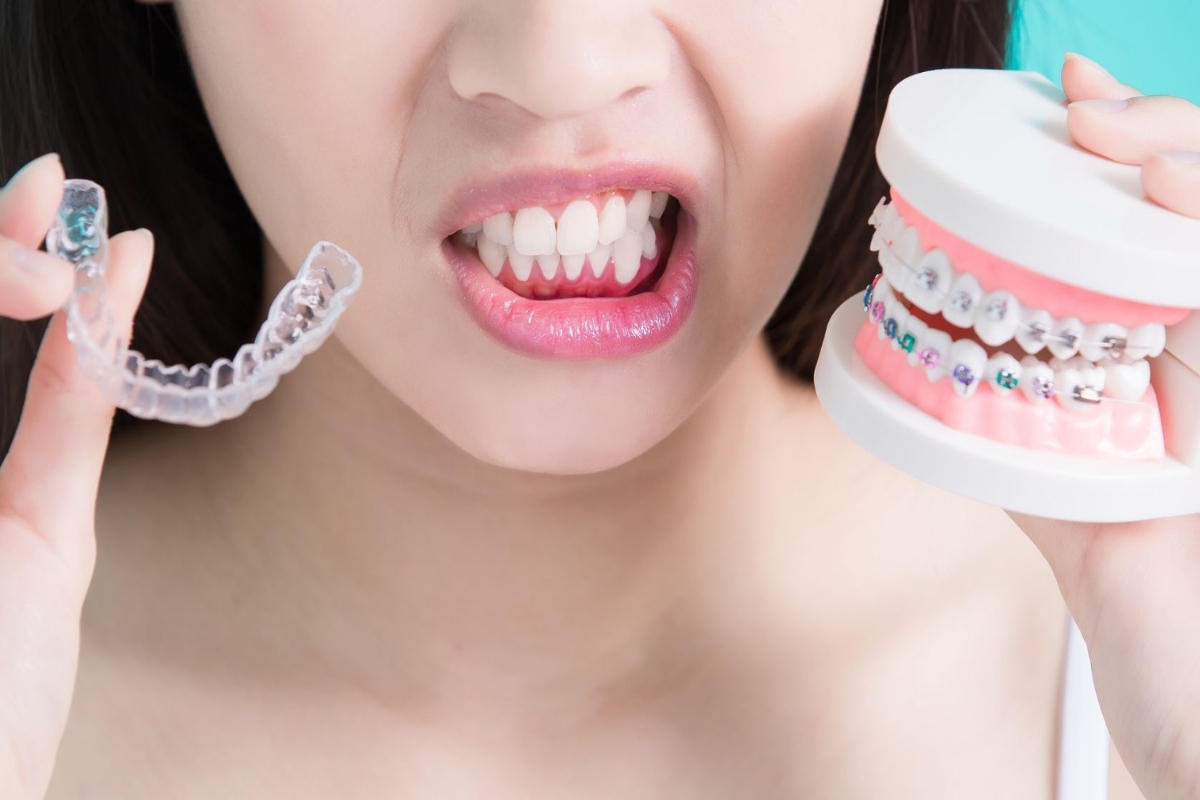
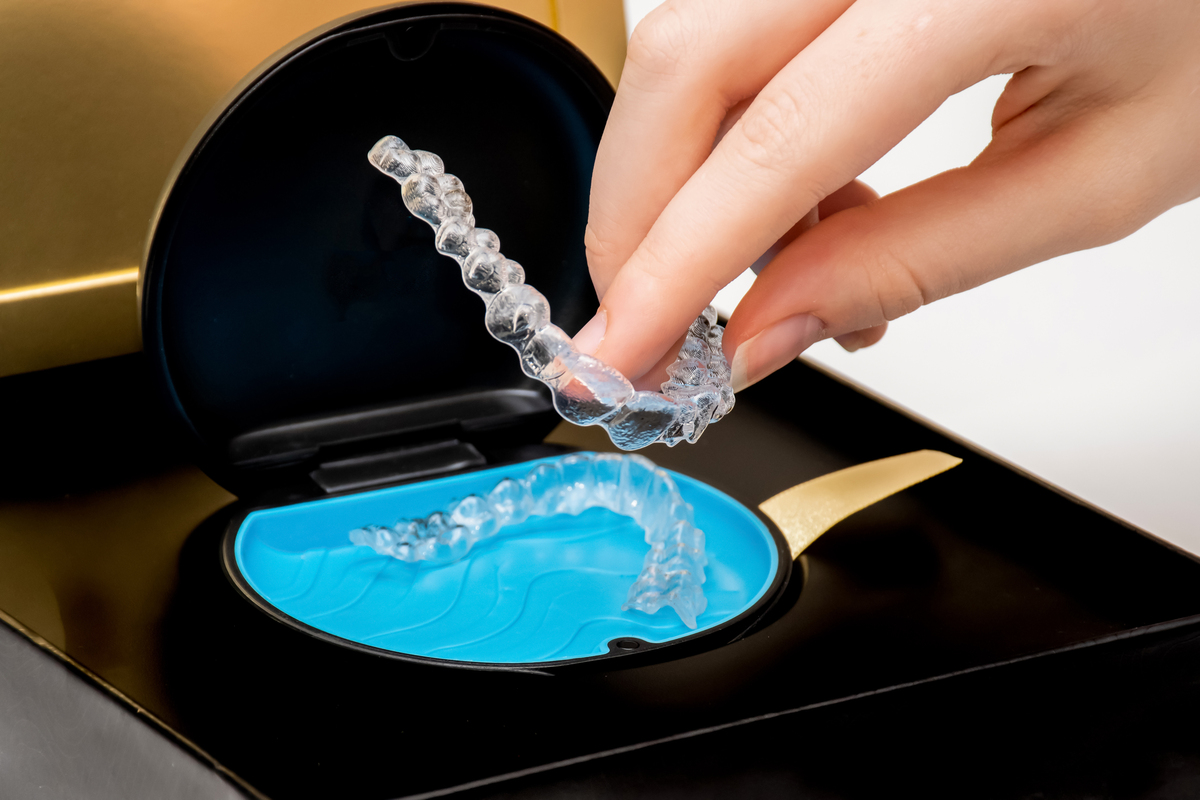
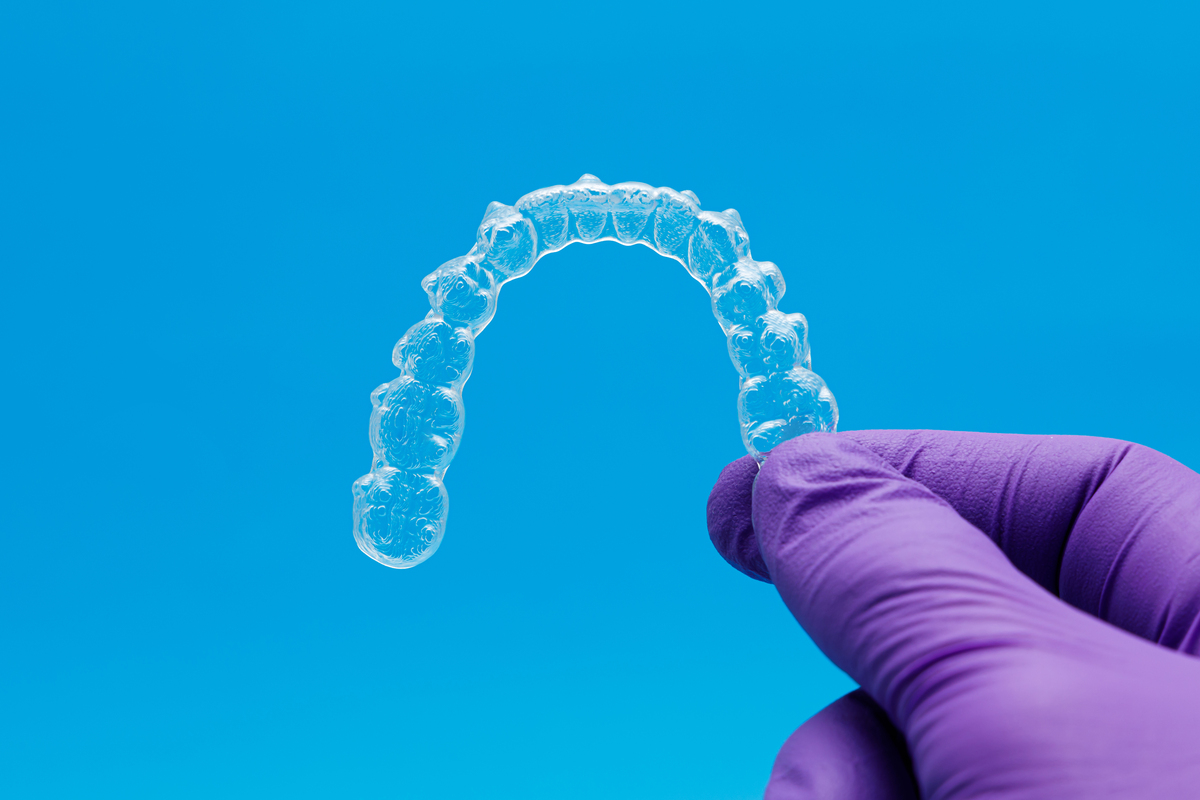
Unlike traditional braces with brackets and wires, Invisalign uses a series of custom-made clear trays that gently shift your teeth into place over time. Each aligner in the series is designed using advanced digital planning software to guide your teeth in small increments, improving both tooth alignment and bite relationships (how the upper and lower teeth meet).
Because Invisalign moves teeth in three dimensions (forward/back, sideways, and rotationally), it can effectively address many types of bite issues, including:
- Overbite (upper teeth overlap lower)
- Underbite (lower teeth project in front)
- Crossbite (side-to-side mismatch)
- Open bite (top and bottom don’t touch in front)
Clinically, Invisalign has been shown to lead to significant improvements in overbite measurements—for example, a 2024 retrospective study reported a mean open bite correction of -3.5 mm to +1.5 mm after treatment.
Bite Improvement With Clear Aligners
High Adoption and Clinical Backing
The Invisalign system has been used successfully worldwide, with more than 20 million patients treated across a wide range of bite and alignment issues.
Since 2011, nearly 2 million patients with complex malocclusions — including open bite, deep bite, and Class II cases — have been treated using Invisalign aligners.
Success Rates in Teeth and Bite Alignment
A broader industry report found:
- 92% of clear aligner patients achieved the desired tooth alignment within 24 months.
- 90% of patients reported satisfaction with treatment outcomes.
- Clear aligners showed effectiveness similar to braces for mild-to-moderate malocclusions.
How Invisalign Helps Improve Jaw Alignment
A healthy bite isn’t just about straight teeth — it’s about how the upper and lower jaw interact.
Here’s how Invisalign contributes:
Promotes Balanced Bite Contacts
When teeth are properly aligned, the force of your bite is distributed evenly across the arch. This helps prevent:
- Uneven tooth wear
- Excess pressure on specific teeth
- Jaw muscle strain
By guiding teeth into optimal positions, Invisalign helps the jaw reach a more natural, balanced resting position, reducing stress on the jaw muscles.
Can Reduce Jaw Discomfort Over Time
Misaligned bites often lead to muscle tension and even headaches. As Invisalign adjusts your bite, many patients notice reductions in jaw tightness and discomfort, especially when chewing or speaking.
Encourages Functional Harmony
When all teeth meet correctly, the jaw joints (TMJ) and muscles work together more smoothly, which may support better:
- Chewing
- Speech patterns
- Muscle balance
This isn’t just cosmetic — it’s functional orthodontics.
The Role of Patient Compliance
One key with Invisalign is wear time. Most orthodontists recommend wearing your aligners for 20–22 hours per day to achieve optimal results.
While aligners are removable (which patients love), inconsistent wear can slow progress and affect the final bite. So consistency is critical!
Benefits Beyond Alignment
Aside from bite and jaw improvement, Invisalign offers additional advantages:
- Better Oral Hygiene: Because the aligners are removable, patients can brush and floss normally — reducing plaque buildup compared to braces, where wires and brackets can trap food.
- Comfort and Lifestyle Convenience: The absence of sharp wires and fewer painful adjustments means most patients experience less discomfort and can maintain their usual diet.
- Fewer Office Visits: Instead of weekly tightenings, most Invisalign patients visit their orthodontist every 6–10 weeks — freeing up time for work, school, and life.
What Orthodontists Are Saying
Recent industry data shows:
- 45% of U.S. orthodontists recommend clear aligners as a first-line treatment for adults — reflecting confidence in their effectiveness.
- 72% of dentists prefer clear aligners over braces for adult patients.
These figures highlight a trend toward clear aligners not just for teens, but increasingly for adult bite correction and jaw improvement.
A Quick Look at Treatment Duration
Clear aligner therapy does take time (often 18–24 months), but the improvements are long-term and comprehensive — shaping both function and aesthetics.
Bear in mind that treatment duration varies with complexity—deep bites, significant open bites, or severe skeletal discrepancies may require extended treatment or adjunctive approaches.
Conclusion
Invisalign clear aligners are a powerful orthodontic option that can significantly improve bite and jaw alignment while also offering comfort, aesthetics, and convenience. With millions of cases worldwide and high success rates — especially for mild to moderate bite issues — clear aligners have become a mainstream choice not only for straightening teeth but for improving overall oral function. Whether you’re an adult seeking a discreet solution or a teen prioritising comfort, Invisalign’s blend of technology and precision makes it a compelling option.
Remember: consistent wear and professional supervision are essential to achieving the best results — so talk with your local certified Orthodontist in Boca Raton today if bite or jaw alignment is on your mind!
Frequently Asked Questions
1. Can Invisalign really fix bite issues?
Yes! Invisalign has been shown to improve overbite, underbite, crossbite, and open bite cases with high success rates, especially in mild to moderate malocclusions.
2. Does Invisalign move the jaw or just the teeth?
Primarily, Invisalign moves the teeth and, by doing so, guides your bite into healthier alignment. This can lead to improved jaw comfort and function.
3. How long does Invisalign take to improve bite alignment?
Most treatments last 18–24 months, but the timeline varies based on case complexity.
4. Is Invisalign as effective as traditional braces for bite correction?
For many cases, especially mild to moderate ones, Invisalign performs similarly to braces and is preferred by patients for comfort and aesthetics.
5. What happens if I don’t wear my aligners enough?
Insufficient wear (below the recommended 20–22 hours/day) can slow results and affect bite improvements. Consistency is key.