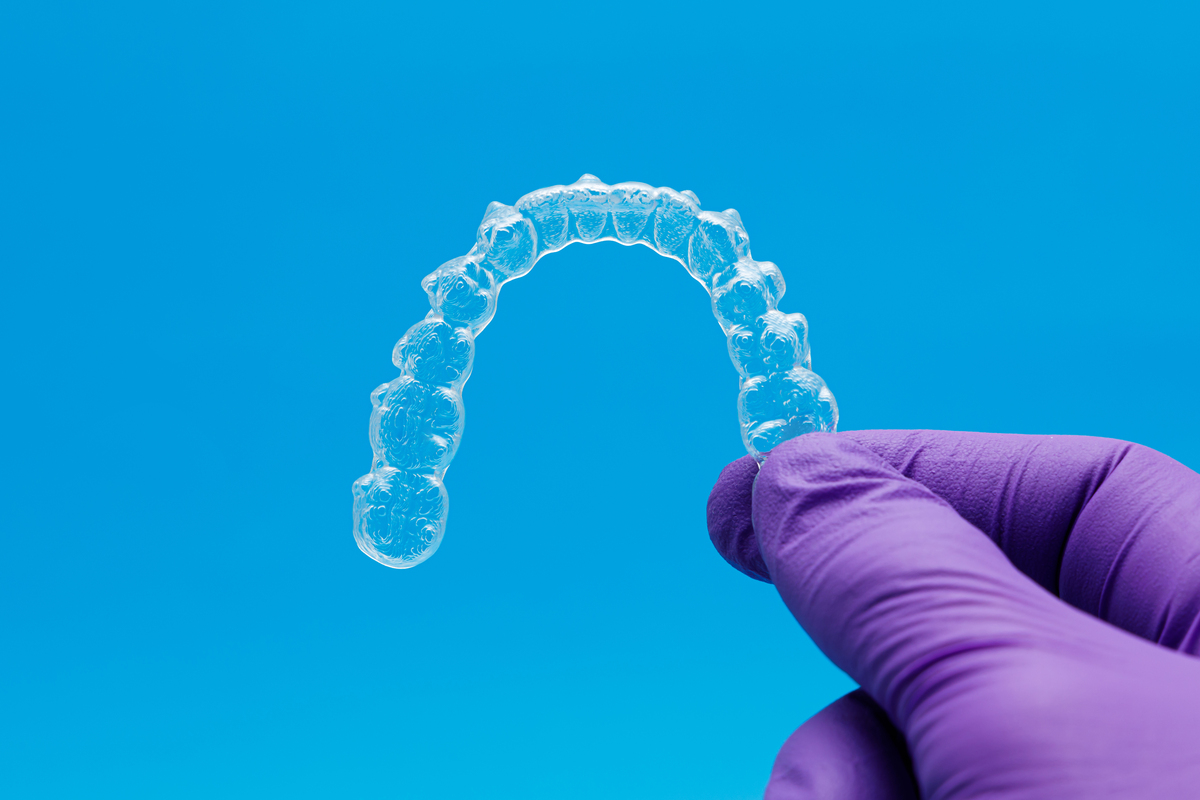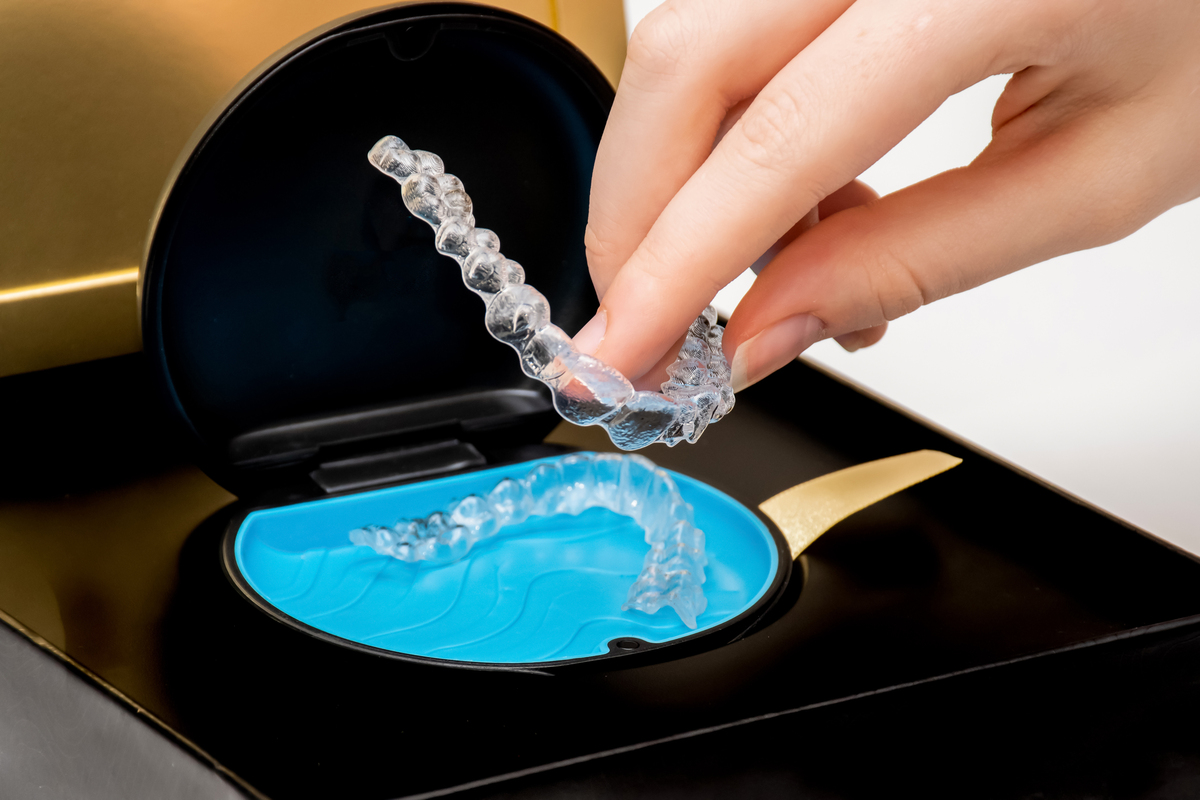




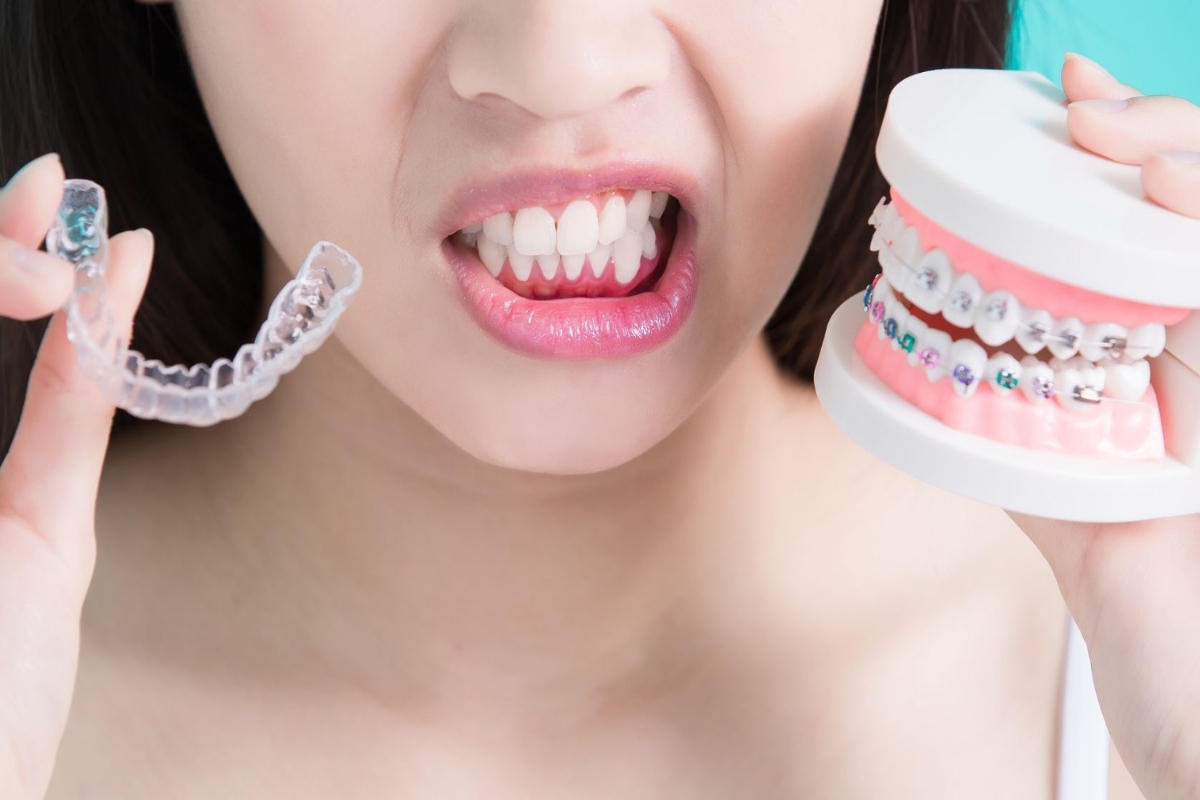
So, you’ve taken the big step toward a straighter smile! Whether you’re rocking traditional metal braces or using Invisalign clear aligners, your orthodontic journey is an investment in your future confidence. But let’s be honest, the moment those appliances are installed, one central question arises: “What can I actually eat?”
You’re not alone! Navigating the world of crunchy snacks, chewy candies, and even basic biting mechanics becomes a whole new challenge. The good news? With a bit of knowledge and preparation, you can keep your treatment on track, minimize discomfort, and still enjoy delicious, nutritious meals.
Ready to find out which foods are your new best friends and which ones you need to break up with until your treatment is complete? Let’s dive into the ultimate survival guide for your mouth hardware!
Foods to avoid with braces (fixed appliances)
Avoid anything hard, sticky, or unusually crunchy — those are the categories that most commonly break brackets or bend wires:
- Hard candy, nuts, ice, and popcorn kernels — biting down can crack brackets or bend wires.
- Sticky and chewy sweets (such as taffy, caramel, and gummy candies) — they cling to brackets and elastics.
- Bagels, hard rolls, and crusty bread — dense bites can stress braces; slice into pieces instead.
- Whole apples/carrots/corn on the cob — bite-sized pieces or cooked versions are braces-friendly.
- Chewing gum and ice — gum gets stuck; ice is hard and can break hardware.
If a bracket breaks or a wire pokes you, contact your qualified orthodontist in Boca Raton— ignoring the issue can prolong your treatment. Remember: small choices (like skipping the popcorn) reduce the chance of emergency visits.
Foods to avoid with Invisalign / clear aligners
Invisalign is more flexible — you remove trays to eat — but there are still essential no-nos:
- Do not eat or drink anything other than water while trays are in — hot liquids can warp the trays, and colored beverages can stain both the trays and your teeth. Remove Invisalign aligners before eating and brush before reinserting.
- Sugary or sticky treats followed by immediate re-insertion — sugar trapped against teeth under a tray increases cavity risk. Rinse/brush before putting aligners back in.
- Alcoholic or highly stained beverages (red wine, coffee, cola) — avoid while wearing trays and be diligent about cleaning afterwards.
Because aligners are removable, you don’t have to give up whole food groups — just clean after eating and maintain the 20–22 hour wear target. Not doing so reduces treatment effectiveness.
Braces- and aligner-friendly foods (eat these)
Soft, low-staining, nutritious items let you stay on track without risking hardware or trays:
- Soft proteins include scrambled eggs, soft-cooked fish, tender chicken cut into small pieces, and ground meats.
- Dairy & soft grains: yogurt, cottage cheese, mashed potatoes, oatmeal, soft breads (no hard crust).
- Cooked vegetables & soft fruits: steamed carrots, mashed sweet potato, ripe bananas, applesauce.
- Soups & smoothies (for braces: avoid chunky bits; for aligners: remove trays before sipping).
- Snacks: hummus with soft pita pieces, fruit cups, cheese sticks.
Pro Tip for Braces: For hard-to-bite foods like apples or carrots, cut them into small, bite-sized pieces before eating to prevent discomfort. This reduces the leverage pressure on your front brackets.
The Bottom Line
Achieving a stellar smile requires a commitment to your diet and hygiene.
For Braces, the mantra is “Soften, Cut, and Clean.” By avoiding the hard and sticky culprits, you prevent breakages that can cost you time and money.
For Invisalign, the key is “Removal, Rinse, and Reinsert.” You can enjoy virtually any food, but you must commit to wearing your aligners for the recommended 20-22 hours per day and thoroughly cleaning your teeth and trays after every meal or snack.
Staying compliant with these simple dietary rules is the fastest way to get your braces off or complete your aligner treatment on time!
FAQs on Eating with Orthodontics
Q1: Is there a “break-in” period where my teeth will be extra sensitive?
A: Yes. After your braces are first placed, or after an adjustment (a tightening), your teeth and gums will be sensitive for about 3–7 days. Similarly, with Invisalign, the first 48 hours of a new tray can cause discomfort. During this time, stick strictly to a liquid and very soft diet (like smoothies, soups, mashed potatoes, and scrambled eggs) to minimize pain.
Q2: Can I chew sugar-free gum with my braces?
A: Most orthodontists recommend avoiding all gum with traditional braces, as it can stick to the brackets and pull on the wires. With Invisalign, since you remove the aligners, gum chewing is possible, but avoid it right before reinserting your trays, and ensure you brush your teeth thoroughly first.
Q3: What should I do if a bracket breaks or a wire comes loose?
A: Stop eating high-risk foods immediately and call your orthodontist as soon as possible for a repair appointment. Do not try to fix the wire yourself. Suppose the sharp wire is poking your cheek or gums. In that case, you can gently use a Q-tip or the eraser end of a pencil to flatten the wire, or cover the sharp end with a small piece of orthodontic wax.
Q4: I love coffee. Do I need to stop drinking it with Invisalign?
A: You do not need to stop, but you must remove your aligners to drink anything other than plain water. Coffee, especially when consumed repeatedly throughout the day, can cause dark stains on your aligners within hours, making them highly noticeable. After drinking coffee, always brush your teeth before reinserting your aligners.
Q5: Will wearing braces or Invisalign make me lose weight?
A: While there is no scientific data or intentional dietary restriction designed for weight loss, some people do see a reduction in snacking frequency. This is often attributed to the increased hassle of removing aligners and brushing or the fear of breaking brackets with braces, which naturally reduces the consumption of high-calorie, hard, or chewy snacks.