



If you are considering orthodontic treatment in Boca Raton, one of your first questions may be simple: How soon will I actually see a difference? Whether you’re considering traditional braces or Invisalign clear aligners, waiting months to see your teeth change can feel like a long time.
The good news is that orthodontic treatment starts working long before the final appointment. Teeth start responding to carefully controlled orthodontic forces from the beginning. However, the changes you can actually see in the mirror depend on your starting alignment, bite, treatment goals, and how consistently you follow your orthodontist’s instructions.
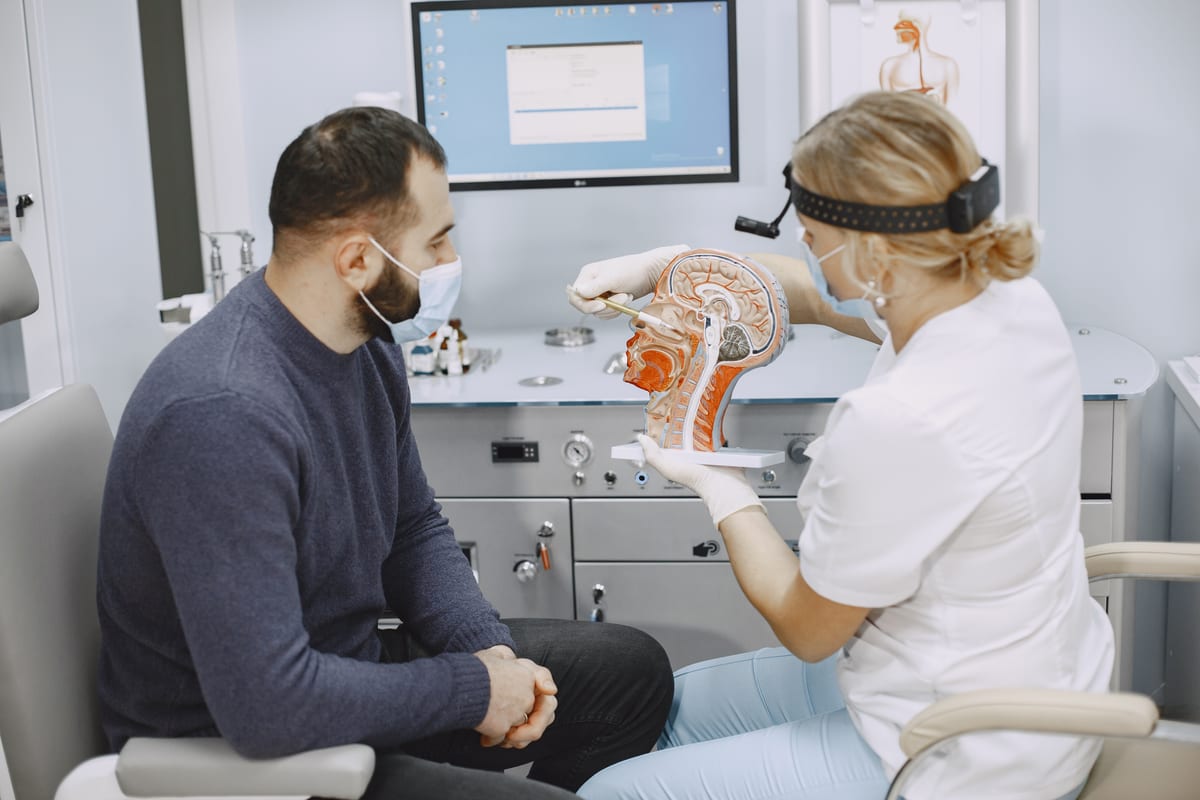
At Statler Orthodontics in Boca Raton, Dr. Jennifer Statler can evaluate your teeth and bite and create an individualized treatment plan. Understanding the difference between how quickly treatment starts working and when visible changes become noticeable can help you set realistic expectations.
When Do Braces Start Showing Results?
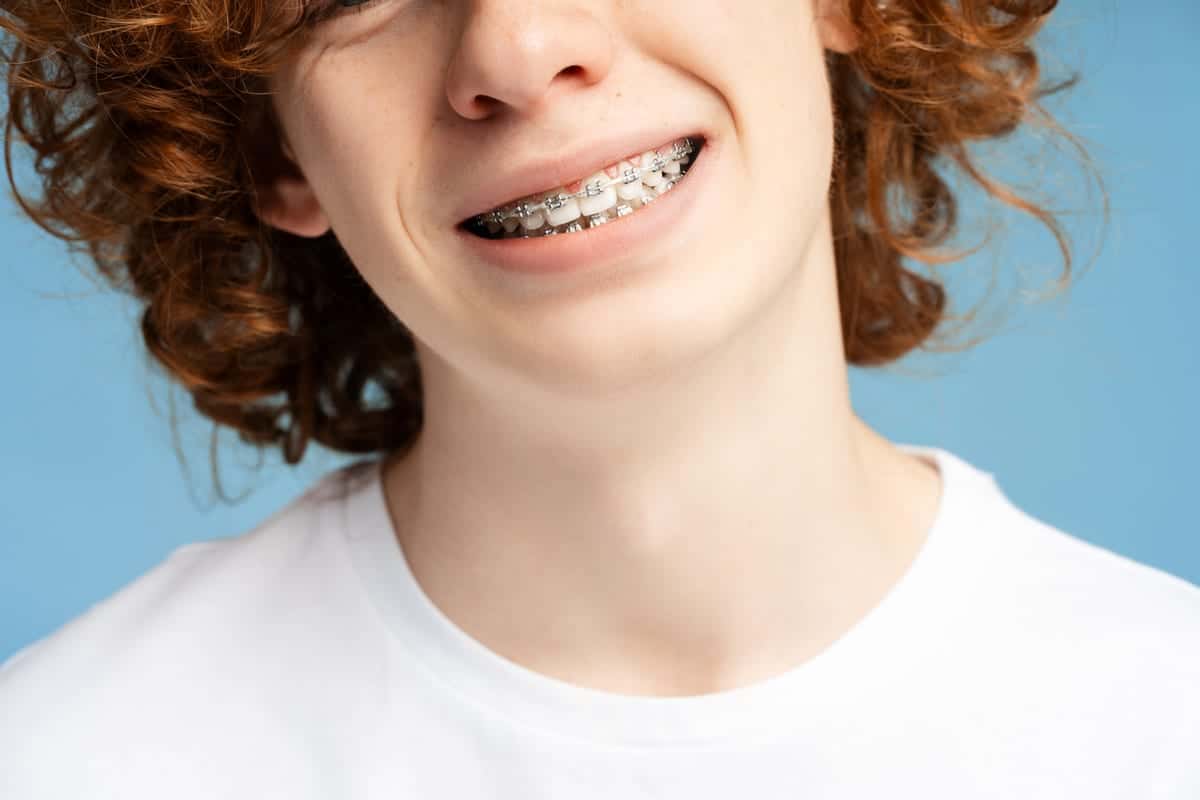
Braces in Boca Raton begin applying controlled forces to your teeth as soon as they are placed. The wires and brackets work together to gradually guide individual teeth toward planned positions.
That does not mean you will see a dramatic transformation immediately. Orthodontic tooth movement is a biological process that takes time. During the first several weeks, some patients may notice subtle changes in individual tooth position, while others may not notice an obvious difference until later.
The American Association of Orthodontists (AAO) explains that treatment time varies considerably. Mild crowding or spacing may be corrected in about eight to 12 months, while more complicated bite or jaw problems can take a couple of years.
Overall, the American Dental Association’s MouthHealthy resource says most people spend about one to three years in orthodontic treatment, followed by a retainer phase.
When Does Invisalign Start Showing Results?
Invisalign in Boca Raton and other clear aligners also begin working from the beginning of treatment. Each aligner applies controlled pressure to specific teeth, so they gradually move according to the treatment plan.
Some patients notice small changes after several weeks. More noticeable improvements often become easier to see as patients wear additional aligners and their teeth move progressively closer to their planned positions.
One important factor is wear time. The AAO recommends wearing clear aligners for at least 22 hours per day, removing them mainly to eat, drink beverages other than water, and for oral hygiene.
If you don’t wear aligners as prescribed, the planned sequence can be disrupted. That can affect how closely your actual progress follows the projected timeline.
Braces vs. Invisalign: Which Shows Results Faster?
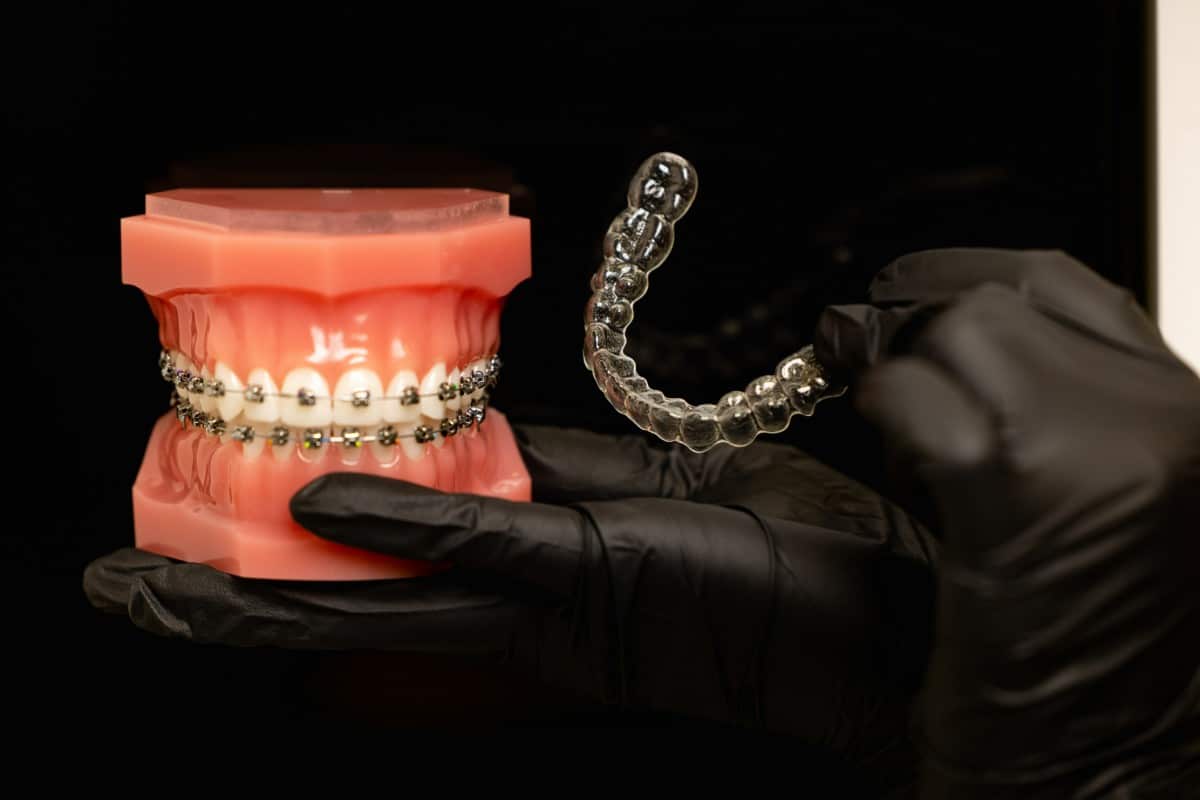
It is tempting to assume Invisalign must produce faster visible results because the trays change regularly. However, no universal rule says Invisalign will show results faster than braces.
The American Association of Orthodontists (AAO) specifically notes that clear aligners are not necessarily faster than braces. Aligners may require manufacturing and shipping before treatment begins, while braces can be placed during an appointment. Once treatment is underway, the rate of tooth movement depends heavily on the patient’s specific orthodontic problem and how consistently they use the prescribed appliance.
Research also supports the idea that treatment duration can’t be determined simply by choosing one appliance over another. A retrospective study published through PubMed found no statistically significant difference in treatment duration between traditional braces and Invisalign in the study population.
In other words, the appliance is only one part of the equation.
What Can You Expect During The First Few Months?
The First Month
During the first month, your teeth are beginning to respond to orthodontic forces. You may notice that certain teeth feel different or that your bite changes slightly.
With braces, your Boca Raton orthodontist may monitor how your teeth respond and adjust treatment as it progresses. With Invisalign, you will move through a series of trays according to your prescribed schedule.
Don’t worry if your smile does not look dramatically different after a few weeks. Orthodontic treatment is designed around controlled, gradual movement rather than rapid changes.
Months Two To Three
By the second or third month, some patients begin noticing more obvious changes, particularly when treating straightforward crowding or spacing.
You may see a gap shrink, a rotated tooth begin to straighten, or crowded front teeth start to line up.
However, the visible timeline differs from patient to patient. Two people with apparently similar crooked teeth can have very different underlying bite or tooth-position issues.
Several Months Into Treatment
As treatment progresses, changes may become increasingly noticeable. Your orthodontist in Boca Raton is not simply moving teeth to make them appear straighter. The treatment plan may also address your bite, tooth angulation, spacing, overbite, underbite, crossbite, or other orthodontic concerns.
This is one reason why stopping treatment as soon as your front teeth look straighter is not recommended. A successful orthodontic plan involves more than achieving a quick cosmetic change.
Why Some Teeth Move Faster Than Others
Not every tooth responds in exactly the same way.
Your case complexity, the amount of movement required, the condition of your gums and supporting tissues, and biological differences between patients can all influence treatment progress.
The AAO notes that adult treatment can sometimes take longer because adult teeth are supported by mature bone. Existing fillings, missing teeth, gum disease, grinding, smoking, and other factors can also influence treatment planning.
This is why an orthodontist needs to examine your individual situation before providing a reliable estimate.
Your Bite Can Affect The Timeline
Straightening visible front teeth may seem straightforward, but your orthodontist also needs to consider how the upper and lower teeth meet.
For example, a patient with mild front-tooth crowding may have a different treatment timeline than someone with a significant overbite or underbite.
The AAO’s current guidance emphasizes that mild crowding or spacing may sometimes be treated in roughly eight to 12 months, while complex bite problems can take considerably longer.
This distinction matters when comparing braces and Invisalign. A treatment plan designed to correct only minor alignment concerns isn’t directly comparable to a comprehensive plan addressing multiple bite problems.
Why Invisalign Wear Time Matters
One of the biggest differences between braces and Invisalign is that braces are fixed to your teeth, while clear aligners are removable.
That flexibility can be convenient, but it also creates a responsibility for the patient.
Clear aligners only work when worn. The AAO recommends wearing them for at least 22 hours each day.
Taking your aligners out too often or leaving them out for long periods can disrupt the prescribed sequence. If an aligner no longer fits correctly or your teeth aren’t tracking as planned, your orthodontist in Boca Raton, FL, may need to adjust the treatment approach.
Braces Also Require Patient Cooperation
Although braces remain attached to your teeth, your daily habits still matter.
Patients should maintain good oral hygiene, follow dietary recommendations, attend scheduled appointments, and wear elastics if they are prescribed.
The AAO recommends keeping orthodontic appointments and following instructions regarding oral hygiene, diet, elastics, and appliance care to help keep treatment on schedule.
Broken brackets or wires, missed appointments, and poor oral hygiene can create complications that may extend treatment.
Does Age Affect How Quickly You See Results?
Orthodontic treatment is not limited to teenagers.
The AAO reports that one in three orthodontic patients is an adult, demonstrating that adult orthodontic treatment is now common.
Adults can achieve meaningful orthodontic changes, but treatment may sometimes take longer than it does for younger patients with comparable problems. Adult bone is mature, and existing dental restorations, periodontal concerns, missing teeth, or other conditions may need to be considered before and during treatment.
Your age alone does not determine whether braces or Invisalign will work. Your overall oral health and the nature of the orthodontic problem matter more.
What Happens If Your Teeth Look Straight Before Treatment Is Finished?
You may notice your teeth looking considerably straighter before your orthodontist says treatment is complete.
That doesn’t necessarily mean treatment should end.
Orthodontic treatment in Boca Raton can involve positioning teeth, coordinating the upper and lower arches, correcting the bite, and establishing stable results. The visible appearance of your front teeth represents only part of the treatment process.
Your orthodontist will determine when the planned tooth movement is complete and when it is appropriate to transition to retention.
Retainers Are Part Of The Results
Once your braces or aligners are finished, your orthodontic treatment is not necessarily over.
Retainers help hold teeth in their new positions. The AAO and ADA both emphasize the importance of retention following active orthodontic treatment.
Without appropriate retention, teeth can gradually shift over time.
That means the real goal is not simply to see straight teeth in the mirror after treatment. It is to maintain the position achieved through orthodontic care.
How Dr. Jennifer Statler Can Help You Understand Your Timeline
Searching online for “How fast does Invisalign work?” or “How long do braces take?” can provide general ranges, but those numbers cannot replace an orthodontic examination.
Dr. Jennifer Statler can evaluate your teeth, bite, and treatment goals and explain which orthodontic options may be appropriate for your situation.
At Statler Orthodontics in Boca Raton, your treatment plan can be built around your individual orthodontic needs rather than a one-size-fits-all timeline.
Whether you are considering braces or Invisalign, asking about expected milestones can help you understand what changes you may see during treatment and what happens after your active orthodontic phase ends.
Conclusion
Braces and Invisalign both start working once treatment begins, but visible results develop gradually. Some patients may notice subtle changes within the first several weeks, while more significant improvements generally become easier to see as treatment progresses.
There is no universal winner when it comes to treatment speed. The AAO notes that clear aligners are not necessarily faster than braces, and treatment duration depends on factors such as the complexity of the orthodontic problem, the patient’s biology, appliance choice, compliance, and whether additional corrections are needed.
For a personalized estimate, an orthodontic exam is the best place to start. Visit our dental practice in Boca Raton. Book now to schedule your appointment with our team.
Frequently Asked Questions
1. How long does orthodontic treatment take at Statler Orthodontics?
Treatment time varies according to each patient’s alignment, bite, treatment goals, and chosen appliance. Dr. Jennifer Statler can provide an individualized estimate after an orthodontic evaluation.
2. Does Statler Orthodontics offer Invisalign?
Patients interested in clear aligner treatment can discuss Invisalign and other orthodontic options with the Statler Orthodontics team to determine what best fits their needs.
3. Can adults get braces or Invisalign?
Yes. Adults can receive orthodontic treatment. The AAO reports that approximately one in three orthodontic patients is an adult.
4. How often will I need orthodontic appointments?
The schedule depends on your treatment plan and appliance. Your orthodontist will establish an appointment schedule to monitor tooth movement and make adjustments when needed.
5. How can I schedule an appointment with Dr. Jennifer Statler?
Contact Statler Orthodontics in Boca Raton to ask about available appointments and discuss your orthodontic concerns, treatment goals, and options.