




Have you recently started wearing braces and noticed that brushing your teeth feels uncomfortable? Maybe your gums feel tender, your teeth are sensitive, or the brackets make brushing harder than before. If you are experiencing this in Boca Raton, you may be wondering whether the discomfort is normal or something more serious.
Brushing should remain an important part of your orthodontic routine, even when your teeth or gums feel sore. Braces create additional areas where plaque and food particles can collect, so keeping your teeth clean becomes especially important during treatment.
Some mild tenderness can occur after placing or adjusting braces. Research summarized by the American Dental Association found that pain after fixed orthodontic appliance placement is often most noticeable during the first few days, particularly around the second day.
At Statler Orthodontics in Boca Raton, Dr. Jennifer Statler can help you understand what is normal during orthodontic treatment and how to brush effectively without unnecessarily irritating your teeth and gums.
Why Can Braces Hurt When You Brush?
Brushing may feel uncomfortable for several reasons when you have braces.
Controlled orthodontic forces gradually move your teeth. The tissues surrounding your teeth respond to those forces, which can cause temporary tenderness.
Your gums can also become irritated if plaque builds up around brackets or if you brush too aggressively.
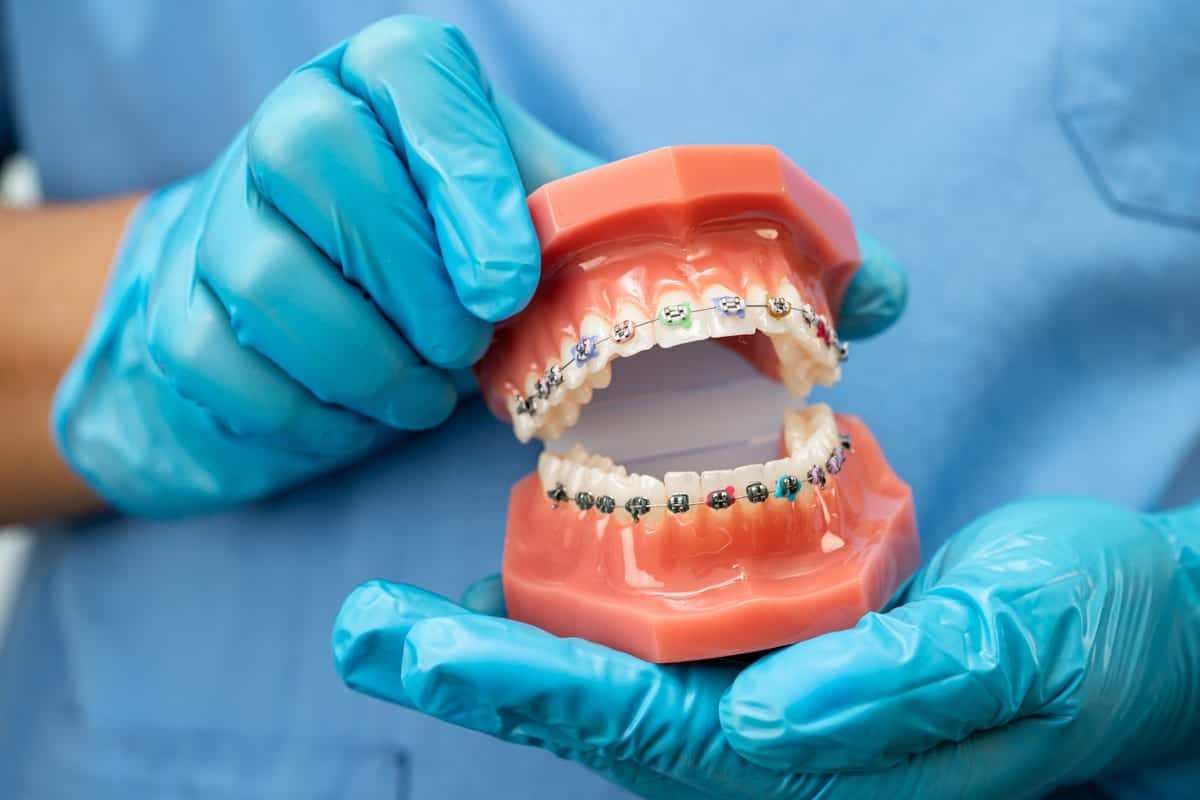
Brackets and wires create additional surfaces that require careful cleaning. If your toothbrush catches a bracket or wire, the sensation may feel uncomfortable, especially during the first few weeks of treatment.
The good news is that mild, temporary tenderness does not necessarily mean you should stop brushing.
In fact, skipping brushing can let plaque accumulate and potentially worsen gum irritation.
Is It Normal for Teeth to Feel Sensitive With Braces?
Some sensitivity or soreness can occur during orthodontic treatment.
The American Dental Association reports that research involving adolescents receiving fixed orthodontic appliances found the highest average pain levels occurred around the second day after upper-arch bonding.
This discomfort generally relates to the orthodontic forces applied to the teeth rather than brushing itself.
You may notice that your teeth feel tender when you:
- Brush
- Bite into food
- Touch certain teeth
- Eat very cold or hot foods
- Move your teeth together
The intensity varies from person to person.
If discomfort is severe, worsens, or doesn’t improve as expected, contact your orthodontic team.
Why Is Brushing So Important During Orthodontic Treatment?
Dental Braces in Boca Raton can make plaque removal more challenging.
The brackets attached to your teeth create additional areas where food debris and plaque can collect. If you don’t clean these areas carefully, bacteria can contribute to tooth decay and gum inflammation.
The American Association of Orthodontists recommends more frequent toothbrushing and daily flossing during orthodontic treatment.
The American Dental Association recommends brushing twice a day for two minutes with fluoride toothpaste as part of routine oral care.
With braces, however, the goal is not simply to brush quickly over the front surfaces of your teeth.
You need to clean around the brackets, along the gumline, and between the teeth.
Can Brushing Too Hard Make Braces Hurt?
Yes.
If you press a toothbrush aggressively against your teeth and gums, you can irritate the gum tissue.
This can be particularly noticeable when your mouth is already sensitive after an orthodontic adjustment.
The ADA recommends using a soft-bristled toothbrush and gentle pressure.
Instead of scrubbing forcefully, use controlled movements and allow the toothbrush bristles to do the cleaning.
A soft toothbrush can clean effectively without requiring excessive pressure.
What Type of Toothbrush Should You Use With Braces?
Both manual and powered toothbrushes can be effective.
The ADA states that either type can be used successfully and specifically recommends soft bristles.
Some patients find a powered toothbrush easier to use around brackets because the movement is consistent.
Others prefer a manual toothbrush because it gives them greater control.
The most important factors are technique, consistency, and reaching all tooth surfaces.
If you are unsure which toothbrush is appropriate for your braces, ask Dr. Jennifer Statler or your dental team for personalized guidance.
How Should You Brush Your Teeth With Braces?
Brushing with braces takes a little more time than brushing without orthodontic appliances.
Start by placing the toothbrush near the gumline and use gentle, short strokes.
Then carefully clean around each bracket.
It can help to brush from several directions:
- Above the brackets
- Directly around the brackets
- Below the brackets
- Along the gumline
- On the inside surfaces of your teeth
- On the chewing surfaces of your back teeth
The ADA recommends brushing for two minutes twice a day with fluoride toothpaste.
During orthodontic treatment in Boca Raton, your orthodontist may recommend additional cleaning depending on your individual needs.
What If My Gums Bleed When I Brush?
Don’t ignore bleeding gums.
Gums may bleed when plaque accumulates around the gumline and causes inflammation.
The ADA explains that plaque that isn’t removed can contribute to gingivitis, which can cause gums to swell or bleed during brushing or interdental cleaning.
If your gums bleed occasionally, improving your oral-hygiene technique may help.
However, discuss persistent bleeding, significant swelling, pain, or other changes with your dental professional.
Your orthodontic team can determine whether the problem is related to plaque, brushing technique, appliance irritation, or another condition.
Should You Stop Brushing If Your Teeth Hurt?
Generally, no.
If your teeth are mildly sore from orthodontic movement, stopping oral hygiene can create another problem.
Plaque continues to build up even when your teeth are tender.
Instead of skipping brushing, use a soft-bristled toothbrush, apply gentle pressure, and move carefully.
If brushing is extremely painful, contact your orthodontic office for guidance.
Severe pain is different from the mild tenderness commonly associated with orthodontic adjustments.
What About Flossing With Braces?
Flossing remains important because a conventional toothbrush cannot effectively clean every space between teeth.
The ADA states that toothbrush bristles alone cannot adequately clean tight spaces between teeth and recommends daily interdental cleaning with floss or another interdental cleaner.
Traditional floss can be more challenging with braces because the wire crosses the spaces between teeth.
You may need an orthodontic floss threader, specialized orthodontic floss, or an interdental brush.
A water flosser may also be an option for some patients.
Ask your orthodontic team which method works best for your braces and the spaces between your teeth.
Can an Electric Toothbrush Help With Braces?
A powered toothbrush can be a useful option for patients wearing braces.
The ADA states that both manual and powered toothbrushes can clean teeth effectively.
Some people find that an electric toothbrush helps them maintain consistent brushing movements and timing.
However, an electric toothbrush does not eliminate the need for good technique.
You still need to position the brush carefully around brackets, the gumline, and other difficult-to-reach areas.
Don’t press the brush aggressively against your teeth.
What If a Bracket Hurts While You Brush?
A bracket can occasionally irritate the inside of your lips, cheeks, or gums.
This may be especially noticeable when you are brushing around the appliance.
If a bracket or wire feels sharp, loose, or out of position, contact your orthodontic office.
Do not attempt to bend or remove orthodontic wires yourself.
Orthodontic appliances are designed to apply specific forces, and changing them without professional guidance can interfere with treatment.
Why Does Brushing Feel Worse Right After an Adjustment?
Orthodontic appointments can temporarily increase tooth sensitivity.
Braces work by applying controlled forces that gradually change tooth position. After an adjustment, you may notice increased tenderness for a short period.
The research discussed by the ADA found that pain levels following fixed-appliance placement were highest around the second day in the adolescent study.
You may feel a similar sensation after certain adjustments, although everyone’s experience is different.
During this period, gentle brushing is particularly important.
If the discomfort seems unusually severe or persists longer than expected, let your orthodontic team know.
What Foods Should You Avoid If Your Braces Are Sore?
When your teeth are tender, softer foods may feel more comfortable.
You may temporarily prefer foods such as:
- Yogurt
- Scrambled eggs
- Pasta
- Soft vegetables
- Oatmeal
- Smooth soups
- Mashed potatoes
- Soft fruits
Beyond temporary soreness, avoid certain foods throughout orthodontic treatment because they can damage brackets or wires.
The ADA notes that foods such as popcorn, chewing gum, whole apples, and sticky foods may be problematic with braces.
Cutting harder foods into smaller pieces can also make eating easier and reduce stress on orthodontic appliances.
What Happens If You Do Not Brush Properly With Braces?
Poor oral hygiene during orthodontic treatment can have consequences beyond temporary bad breath.
Plaque around brackets can contribute to gum inflammation and tooth decay.
White spots can also develop when enamel loses minerals around areas where plaque remains for extended periods.
The ADA explains that orthodontic treatment can make maintaining oral hygiene more challenging and that good oral hygiene is important throughout treatment.
The goal isn’t simply to finish orthodontic treatment with straighter teeth.
You also want your teeth and gums to remain healthy throughout the process.
How Long Does Orthodontic Treatment Usually Last?
Treatment time varies considerably.
The ADA states that most people wear braces for approximately one to three years, followed by a period of retainer use to maintain tooth position.
Your treatment time may be shorter or longer depending on factors such as:
- The severity of crowding
- Bite problems
- Tooth movement required
- Age
- Cooperation with treatment instructions
- Missed appointments
- Broken brackets or wires
- Oral-health conditions
Because treatment can last for months or years, developing an effective brushing routine early is valuable.
Are More Adults Getting Orthodontic Treatment?
Yes.
Orthodontic treatment is no longer limited to teenagers.
The American Dental Association reported that nearly 32% of orthodontic patients in 2023 were adults, citing Marketplace data.
The AAO’s 2025 patient census also reported an estimated 1.91 million adults undergoing orthodontic treatment in the United States and Canada among AAO-member practices, based on its 2024 survey data.
This means adults may be asking the same practical questions as younger patients: How do I brush around braces? Why are my teeth sore? How do I keep my gums healthy?
The answer starts with consistent, gentle oral hygiene.
When Should You Contact Your Orthodontist About Braces Pain?
Some tenderness is expected, but certain symptoms deserve professional attention.
Contact your orthodontic team if you experience:
- Severe or worsening pain
- Significant gum swelling
- Persistent bleeding
- A loose bracket
- A broken wire
- A wire repeatedly cutting your cheek
- A tooth that suddenly becomes extremely sensitive
- Pain that does not improve as expected
- Signs of infection
Do not wait until your next scheduled appointment if you believe something is wrong with your orthodontic appliance.
Prompt communication can help your orthodontic team determine whether an adjustment or additional care is needed.
Orthodontic Care in Boca Raton
If brushing with braces becomes uncomfortable, you don’t have to tolerate it or stop cleaning your teeth.
At Statler Orthodontics, Dr. Jennifer Statler can help you understand proper brushing techniques and address concerns involving orthodontic appliances, tooth sensitivity, gum irritation, or other treatment-related discomfort.
The practice is located at 7400 W Camino Real, Suite 110, Boca Raton, FL 33433. Statler Orthodontics
With the right technique and consistent care, brushing can remain an important part of protecting your teeth throughout orthodontic treatment.
Conclusion
Can dental braces hurt when you brush your teeth? Yes, mild tenderness can make brushing uncomfortable, particularly after braces are initially placed or adjusted. However, you should not stop brushing just because your teeth feel sore.
The ADA recommends brushing twice a day for two minutes with fluoride toothpaste and using a soft-bristled toothbrush with gentle pressure.
With braces, careful cleaning around brackets, wires, and the gumline becomes especially important. Daily interdental cleaning is also necessary because a toothbrush cannot effectively reach every space between teeth.
If your discomfort is severe, persistent, or associated with swelling, bleeding, a damaged appliance, or another unusual symptom, contact your orthodontic team.
At Statler Orthodontics, Dr. Jennifer Statler can answer your questions about braces, oral hygiene, and orthodontic discomfort and help you stay on track during treatment.
Visit our Boca Raton dental practice. Book now to schedule your appointment with our team.
Frequently Asked Questions
1. What dental services does your practice provide?
Our practice provides orthodontic care designed to address tooth alignment and bite concerns. Your treatment options will depend on your individual orthodontic needs.
2. How can I schedule an appointment?
Contact our office to request an appointment. Our team can help you choose an appropriate time and explain what to expect during your visit.
3. What should I expect during my first appointment?
Your first visit typically includes an orthodontic evaluation and discussion of your dental concerns, treatment goals, and possible treatment options.
4. Does your practice create personalized treatment plans?
Yes. We plan orthodontic treatment based on each patient’s teeth, bite, oral health, and treatment needs. Dr. Jennifer Statler can discuss appropriate options with you.
5. What should I do if I have a problem during orthodontic treatment?
Contact our office if you experience significant pain, a broken appliance, a loose bracket, or another orthodontic concern. Our team can advise you on the appropriate next step.