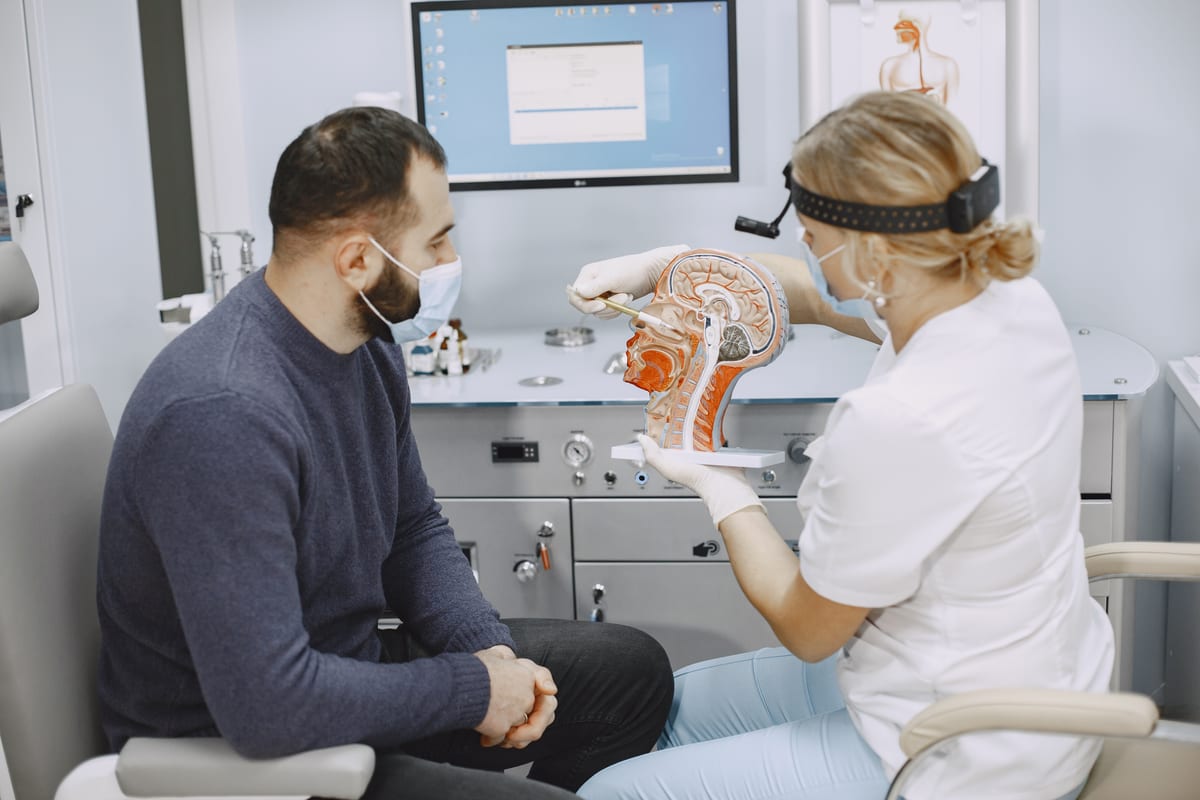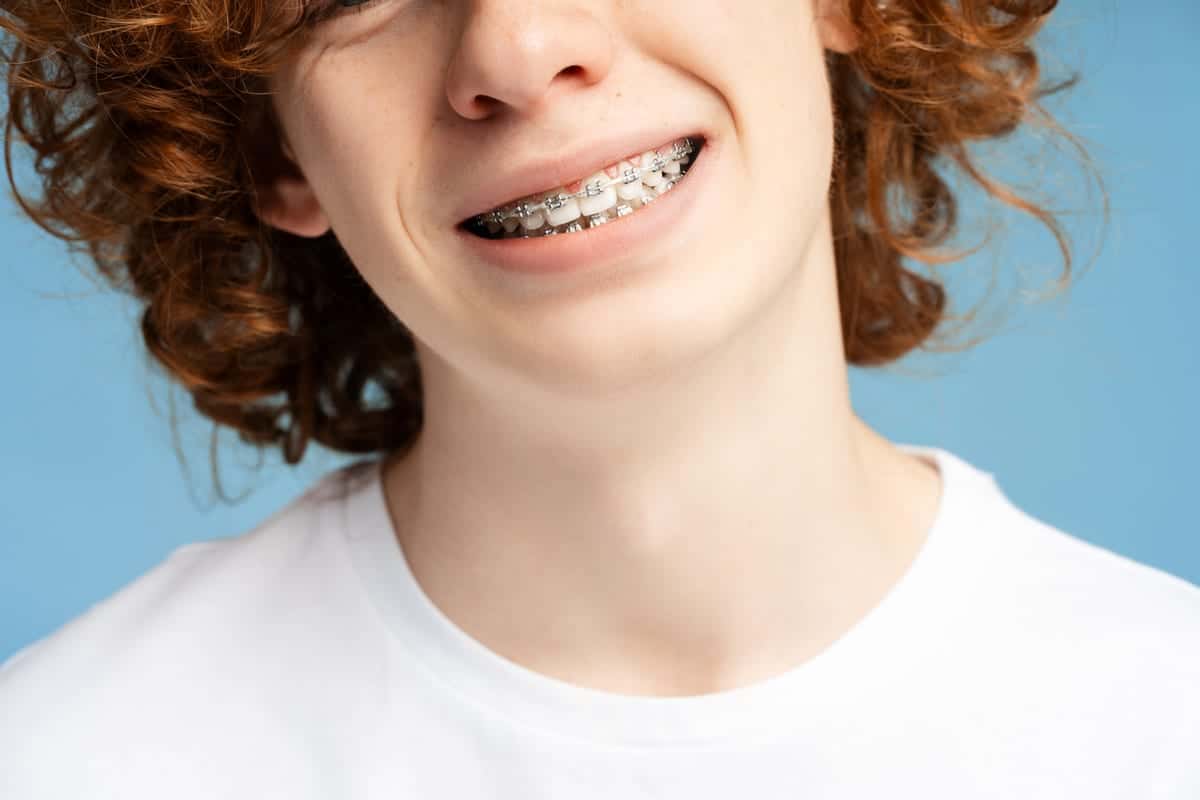




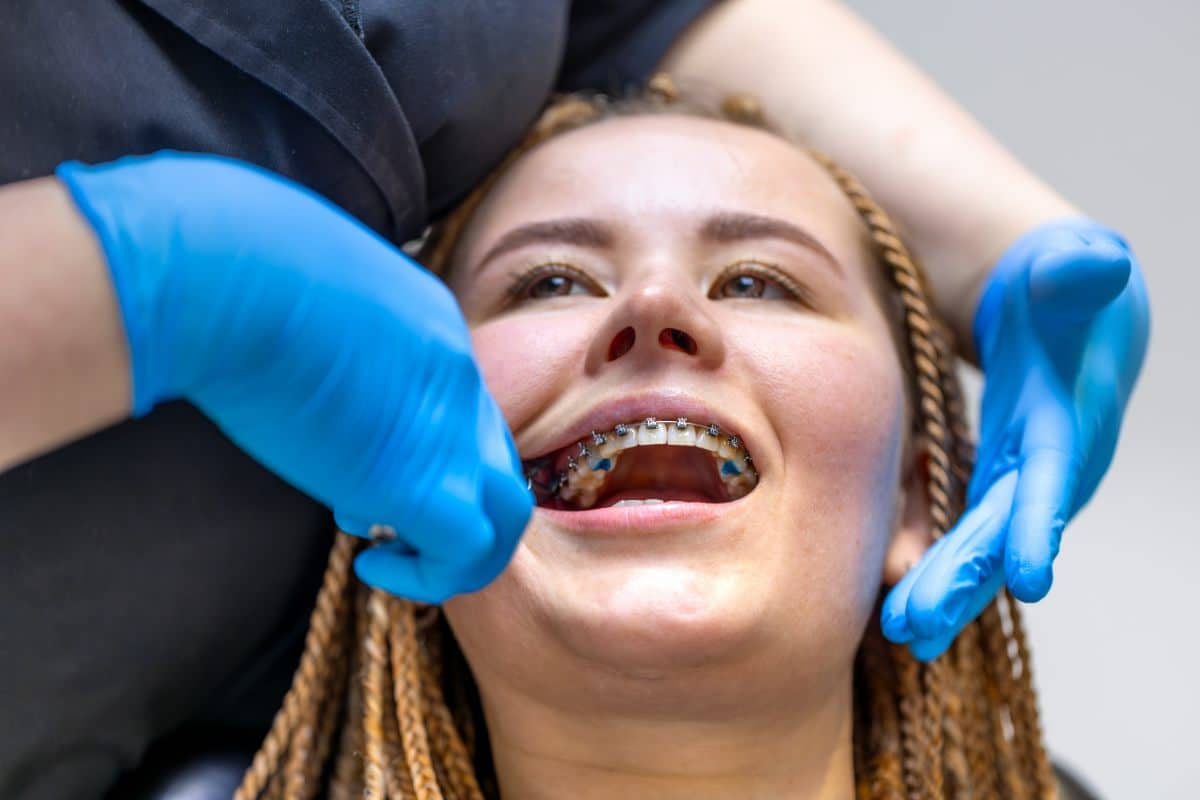
Starting orthodontic treatment is an exciting step toward a straighter, healthier smile—but it’s normal to wonder how comfortable the journey will be. Whether you’ve chosen traditional braces or clear aligners, you may notice mild soreness, pressure, or irritation during the first few days of treatment and after routine adjustments.
The good news? Most orthodontic discomfort is temporary and manageable with the right care. By following your orthodontist’s instructions, practicing excellent oral hygiene, and making a few simple lifestyle adjustments, you can stay comfortable while keeping your treatment on track.
According to the American Association of Orthodontists (AAO), millions of Americans undergo orthodontic treatment each year, and the majority complete treatment successfully with only temporary periods of mild discomfort. Research published in the American Journal of Orthodontics and Dentofacial Orthopedics (AJODO) shows that orthodontic soreness typically peaks within 24 to 48 hours after braces are placed or adjusted and gradually improves over the following several days.
In this guide, you’ll learn practical, evidence-based strategies to minimize discomfort, protect your braces or aligners, and maintain excellent oral health from your first appointment to the day your treatment is complete.
Why Orthodontic Treatment Can Feel Uncomfortable
Orthodontic appliances apply light, controlled forces that gradually move teeth into healthier positions.
As this process occurs:
- The periodontal ligaments surrounding your teeth remodel.
- Bone tissue reshapes to support tooth movement.
- Chewing muscles adapt to changes in your bite.
- Your mouth becomes accustomed to brackets, wires, or aligners.
These natural biological changes explain why temporary tenderness or pressure is common, especially early in treatment.
What Types of Discomfort Are Normal?
Most patients experience mild to moderate symptoms, including:
- Tooth sensitivity
- Mild jaw soreness
- Pressure when biting
- Tender gums
- Minor irritation on the inside of the lips or cheeks
- Tightness after braces adjustments or when switching to a new aligner
These symptoms usually improve within 3 to 7 days.
If you experience severe pain, significant swelling, fever, or difficulty opening your mouth, contact your orthodontist promptly.
Orthodontic Treatment by the Numbers
Orthodontic care continues to grow in popularity across the United States.
Here are a few noteworthy statistics:
- Approximately 4 million people in the United States wear braces, and nearly one in four orthodontic patients is an adult, according to the American Association of Orthodontists (AAO).
- Clear aligner treatment has expanded rapidly, with more than 19 million patients worldwide treated using Invisalign® aligners, according to Align Technology.
- Studies published in the American Journal of Orthodontics and Dentofacial Orthopedics report that mild discomfort is common after appliance placement or adjustments but usually resolves within several days.
- The Centers for Disease Control and Prevention (CDC) emphasizes that maintaining good oral hygiene during orthodontic treatment helps reduce the risk of cavities and gum disease.
Orthodontic Comfort Tips
Tip #1: Eat Soft, Nutritious Foods After Adjustments
The first few days after an adjustment are often the most uncomfortable for chewing.
Choose foods that require minimal biting force, such as:
- Yogurt
- Smoothies
- Oatmeal
- Applesauce
- Scrambled eggs
- Soup
- Mashed potatoes
- Soft pasta
- Rice
- Cottage cheese
- Bananas
- Avocados
- Soft-cooked vegetables
These foods provide important nutrients while minimizing pressure on sensitive teeth.
Foods to Avoid During Orthodontic Treatment
Protecting your orthodontic appliances also helps prevent unnecessary discomfort.
Avoid:
- Hard candy
- Ice
- Popcorn
- Whole nuts
- Sticky caramel
- Chewing gum
- Hard pretzels
- Corn on the cob
- Crunchy chips
- Tough bagels
Breaking a bracket or bending a wire can lead to additional appointments and temporary irritation.
Tip #2: Practice Excellent Oral Hygiene
Braces create additional spaces where plaque and food particles can collect.
According to the CDC, poor oral hygiene increases the risk of:
- Cavities
- Gum inflammation
- White spot lesions
- Bad breath
A thorough daily routine should include:
- Brushing after every meal with a soft-bristled toothbrush.
- Cleaning around brackets and wires carefully.
- Flossing once each day using floss threaders or orthodontic floss.
- Using an interdental brush if recommended by your orthodontist.
- Rinsing with a fluoride mouthwash when appropriate.
Healthy gums are less likely to become inflamed, making treatment more comfortable.
Tip #3: Use Orthodontic Wax for Irritated Cheeks
When braces are first placed, brackets may rub against the inside of your cheeks or lips.
Orthodontic wax creates a smooth barrier that helps reduce friction while your mouth adjusts.
Most patients find that irritation decreases naturally within the first week as the soft tissues become accustomed to the braces.
Tip #4: Stay Hydrated Throughout the Day
Drinking water provides several benefits during orthodontic treatment.
Water helps:
- Wash away food particles.
- Reduce dry mouth.
- Support saliva production.
- Protect tooth enamel.
- Improve overall oral comfort.
Unlike sugary or acidic beverages, water won’t increase your risk of tooth decay or stain clear aligners.
Tip #5: Wear Your Clear Aligners as Directed
If you’re undergoing clear aligner treatment, consistency is essential.
Most orthodontists recommend wearing aligners 20–22 hours per day, removing them only for:
- Meals
- Snacks
- Brushing
- Flossing
- Drinking beverages other than plain water
Inconsistent wear can prolong treatment and cause additional tightness when you reinsert aligners.
Tip #6: Protect Your Mouth During Sports
If you participate in contact sports, ask your orthodontist about an orthodontic mouthguard.
A properly fitted mouthguard can help protect:
- Teeth
- Braces
- Lips
- Cheeks
- Jaw
Preventing injuries helps avoid emergency visits and interruptions to your treatment plan.
Tip #7: Manage Soreness After Orthodontic Adjustments
Mild discomfort is common after braces are tightened or after switching to a new set of clear aligners. Research published in the American Journal of Orthodontics and Dentofacial Orthopedics (AJODO) indicates that orthodontic discomfort generally begins within a few hours, peaks during the first 24 to 48 hours, and gradually subsides over the following several days.
To help manage soreness:
- Eat softer foods for the first few days.
- Avoid biting directly into hard foods.
- Follow your orthodontist’s instructions carefully.
- Continue wearing rubber bands or aligners as prescribed.
- Stay consistent with your oral hygiene routine.
Remember, mild pressure is a normal sign that your teeth are responding to treatment.
Tip #8: Use Cold and Warm Compresses Correctly
External compresses can provide temporary relief from jaw soreness and muscle tension.
Cold Compress
A cold compress may help reduce inflammation during the first 24–48 hours after an adjustment.
- Apply for 10–15 minutes at a time.
- Wrap the ice pack in a towel.
- Avoid placing ice directly on your skin.
Warm Compress
If your discomfort is related to muscle tightness after the initial soreness decreases, a warm compress may help relax the jaw muscles.
Apply gentle heat for 15–20 minutes as recommended by your orthodontist.
Tip #9: Get Enough Sleep
Quality sleep supports your body’s natural healing process.
Adults should aim for 7–9 hours of sleep per night, as recommended by the American Academy of Sleep Medicine.
Good sleep may help:
- Reduce fatigue
- Support tissue recovery
- Improve pain tolerance
- Lower stress levels
Creating a relaxing bedtime routine can also make the adjustment period feel easier.
Tip #10: Manage Stress to Reduce Jaw Clenching
Stress can contribute to unconscious teeth clenching or jaw tightening, which may increase orthodontic discomfort.
Simple stress-management strategies include:
- Walking
- Gentle stretching
- Deep breathing
- Meditation
- Reading
- Listening to calming music
Reducing muscle tension may help improve overall comfort during treatment.
Tip #11: Keep Every Orthodontic Appointment
Routine visits allow your orthodontist to:
- Monitor tooth movement.
- Adjust braces safely.
- Replace worn elastics.
- Check appliance integrity.
- Address small issues before they become larger problems.
Skipping appointments can delay treatment and may increase discomfort if adjustments are postponed.
Tip #12: Wear Rubber Bands Exactly as Directed
If your treatment includes elastics, wearing them consistently is essential.
Removing rubber bands for extended periods can:
- Slow tooth movement.
- Delay bite correction.
- Increase tightness when they are reinserted.
Follow your orthodontist’s instructions carefully for the best results.
Common Mistakes That Can Increase Orthodontic Discomfort
Many patients unintentionally make small mistakes that prolong soreness or damage their appliances.
Eating Hard or Sticky Foods
Foods like popcorn, ice, hard candy, chewing gum, and caramel can bend wires or loosen brackets, causing irritation and extra appointments.
Poor Oral Hygiene
Plaque accumulation around brackets may lead to:
- Gum inflammation
- Tooth sensitivity
- White spot lesions
- Bad breath
Healthy gums generally tolerate orthodontic treatment in Boca Raton more comfortably.
Skipping Aligner Wear
For clear aligner patients, wearing trays less than the recommended 20–22 hours per day can make each new aligner feel significantly tighter and may prolong treatment.
Ignoring Broken Appliances
Don’t ignore a loose bracket, poking wire, or cracked aligner.
Prompt repairs help prevent unnecessary discomfort and keep treatment progressing as planned.
When Should You Contact Your Orthodontist?
Temporary soreness is expected, but some symptoms require professional evaluation.
Call your trusted Boca Raton orthodontist if you experience:
- Severe or worsening pain
- Significant swelling
- Persistent bleeding
- A broken bracket or wire causing injury
- Difficulty opening or closing your mouth
- Loose appliances
- Aligners that no longer fit
- Signs of infection, such as fever or pus
Early treatment often prevents minor issues from becoming larger problems.
Building Comfortable Daily Habits
Small daily routines can make a significant difference throughout treatment.
Consider these habits:
- Brush after every meal.
- Carry a travel toothbrush and orthodontic wax.
- Drink water frequently.
- Pack soft snacks when you’re away from home.
- Keep extra aligner cases handy.
- Avoid chewing on pens, fingernails, or ice.
- Follow every instruction from your orthodontist.
Consistency helps minimize discomfort while supporting efficient tooth movement.
Staying Comfortable Is a Long-Term Strategy
Orthodontic treatment is a process that unfolds over months—or sometimes years—but discomfort doesn’t have to be part of your daily life.
Most patients notice that as they become accustomed to their braces or aligners, soreness becomes less frequent and easier to manage. By combining healthy eating habits, excellent oral hygiene, protective measures, and regular orthodontic visits, you can significantly improve your comfort while keeping your treatment on schedule.
The key is to view comfort as an ongoing part of your treatment plan. Every healthy choice you make—from brushing thoroughly to wearing your aligners consistently—helps protect your smile and supports a successful outcome.
Conclusion
Some soreness is a normal part of orthodontic treatment, particularly after braces are adjusted or a new set of aligners begins moving the teeth. For most patients, this discomfort is temporary. You can manage it with simple measures such as choosing softer foods, maintaining good oral hygiene, and following Dr. Jennifer Statler’s orthodontic care instructions. Consistent daily care also helps protect the teeth and keep treatment progressing as planned.
At Statler Orthodontics, Dr. Jennifer Statler provides individualized orthodontic care based on each patient’s bite, tooth alignment, age, and treatment needs. Staying consistent with appointments and following the recommended use of braces, aligners, elastics, or retainers can support steady progress throughout treatment.
Visit our dental practice if you have questions about orthodontic discomfort or concerns about your braces or aligners. Schedule an appointment with Dr. Jennifer Statler to discuss your treatment and receive guidance tailored to your orthodontic needs.
Frequently Asked Questions
1. Why are my teeth sore after a braces adjustment?
Mild tenderness is common after an adjustment because your teeth are responding to gentle orthodontic pressure. The discomfort usually settles within a few days as your mouth adapts.
2. What can I eat when my braces feel sore?
Choose softer foods such as yogurt, eggs, pasta, oatmeal, rice, soup, mashed potatoes, and smoothies. Avoid hard, crunchy, or sticky foods that can increase discomfort or damage brackets and wires.
3. What can I do if my braces are rubbing against my cheeks?
Applying orthodontic wax over an irritating bracket or wire can help protect the inside of your cheeks and lips. If the irritation continues or a wire is poking you, contact our orthodontic team.
4. Is some pressure normal when I put in a new clear aligner?
Yes. A new aligner may feel snug or create mild pressure as it begins moving your teeth. However, significant pain, an improper fit, or an aligner that will not seat properly should be discussed with our orthodontic team.
5. When should I contact our orthodontic office about pain?
Call our office if pain is severe, continues to worsen, or occurs with swelling, fever, drainage, a damaged appliance, or another unusual symptom. Prompt evaluation can help identify and address the problem.