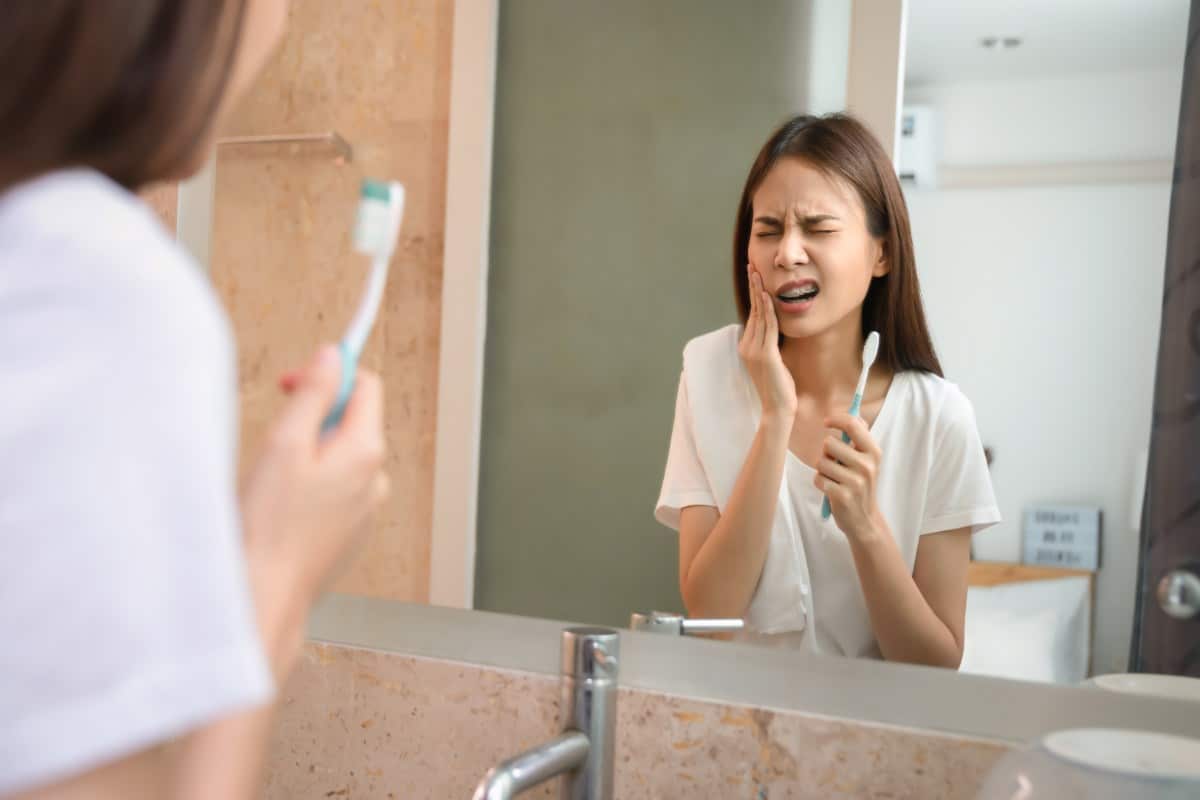




Have you ever finished brushing your teeth, only to notice that your braces suddenly feel tighter or your teeth become sore? If so, you’re not alone. Many orthodontic patients experience temporary discomfort after brushing, especially during the first few days after getting braces or following an adjustment appointment. While the sensation can be surprising, it’s often a normal part of orthodontic treatment rather than a sign that something is wrong.
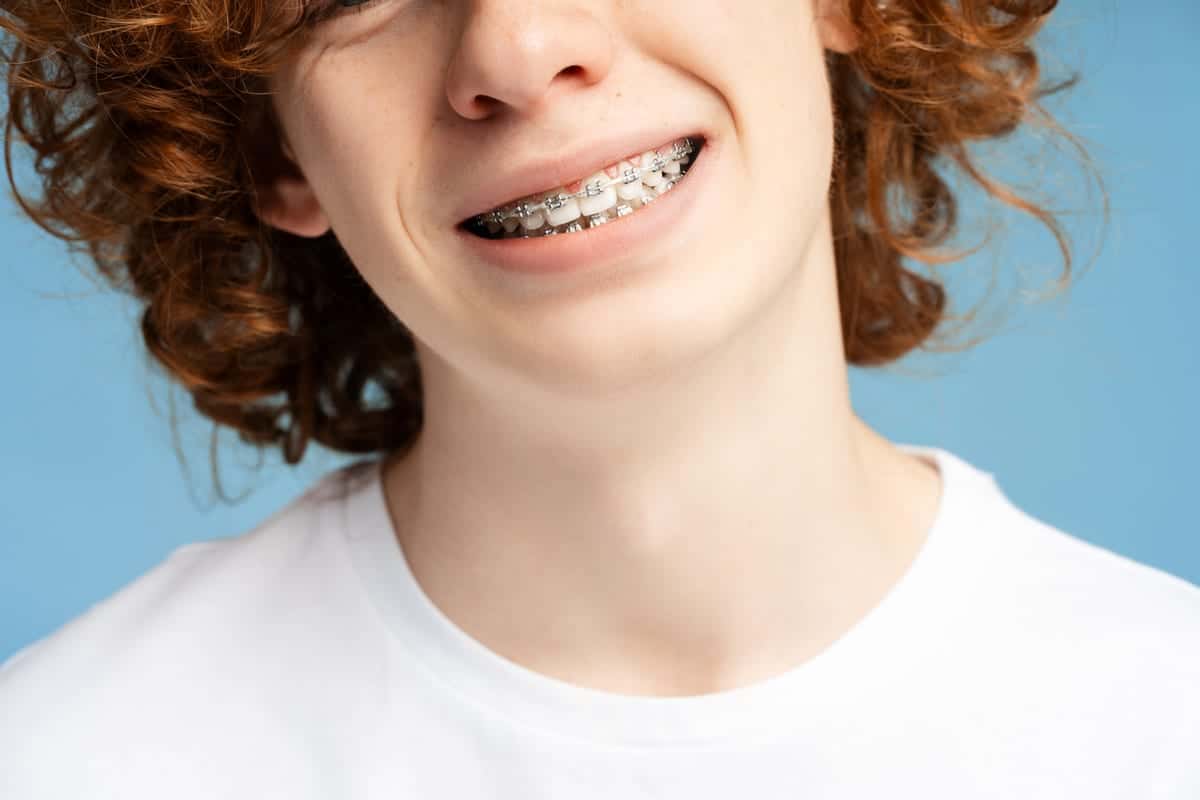
Braces work by applying gentle, continuous pressure to move teeth into healthier positions. During this process, the tissues surrounding your teeth become temporarily more sensitive. Brushing can briefly increase that sensitivity by placing light pressure on teeth, gums, and orthodontic hardware. In some cases, discomfort may also result from inflamed gums, plaque buildup, broken brackets, or brushing too aggressively.
According to the American Association of Orthodontists (AAO), approximately 4 million people in the United States wear braces, and about one in four orthodontic patients is an adult. Research published in the American Journal of Orthodontics and Dentofacial Orthopedics (AJODO) reports that 70% to 95% of patients experience some level of discomfort during orthodontic treatment, particularly during the first week after braces are placed or adjusted. Fortunately, brushing-related soreness is usually temporary and can often be managed with simple home care.
In this guide, you’ll learn why braces may hurt after brushing, what discomfort is considered normal, how to relieve soreness, and when it’s time to contact your orthodontist.
Why Do Braces Hurt After Brushing?
Brushing itself usually does not damage your braces.
Instead, brushing may temporarily stimulate tissues that are already sensitive because your teeth are moving.
Several factors can contribute to discomfort.
1. Your Teeth Are Already Moving
Braces create controlled pressure that slowly shifts teeth through the jawbone.
As teeth move:
- The periodontal ligament stretches.
- Bone remodeling occurs.
- Surrounding tissues become temporarily sensitive.
Brushing may briefly increase awareness of this normal soreness.
2. Sensitive Gums
Plaque tends to collect around brackets and wires.
If plaque isn’t removed thoroughly, the gums may become inflamed.
Symptoms include:
- Redness
- Swelling
- Bleeding while brushing
- Tenderness
Inflamed gums often feel sore after brushing.
3. Brushing Too Hard
Many people believe harder brushing cleans better.
In reality, excessive force can:
- Irritate gums
- Wear enamel
- Increase tooth sensitivity
- Cause gum recession over time
Orthodontists recommend using gentle pressure with a soft-bristled toothbrush.
4. Recent Orthodontic Adjustment
Discomfort commonly increases after:
- Wire changes
- New elastic bands
- Tightening appointments
- Power chain placement
Brushing may temporarily amplify this normal tenderness.
Most patients improve within a few days.
5. Food Trapped Around Braces
Food particles remaining around brackets allow plaque bacteria to multiply.
This may lead to:
- Gum irritation
- Localized soreness
- Bad breath
- Increased sensitivity
Proper brushing and flossing reduce inflammation.
6. Loose or Broken Orthodontic Appliances
Occasionally, discomfort results from:
- Loose brackets
- Bent wires
- Broken elastic ties
- Protruding wire ends
These problems may irritate the cheeks, lips, or gums and should be evaluated by your orthodontist.
Braces and Orthodontic Treatment Statistics
Orthodontic treatment is one of the most common forms of dental care for children, teens, and adults.
Key statistics include:
- The American Association of Orthodontists (AAO) estimates that approximately 4 million Americans are currently receiving orthodontic treatment, with adults making up nearly 25% of all patients.
- Studies published in the American Journal of Orthodontics and Dentofacial Orthopedics report that 70–95% of patients experience mild to moderate discomfort after braces are placed or adjusted.
- Research shows orthodontic discomfort typically peaks 24 hours after an adjustment and gradually improves within 3 to 7 days.
- According to the American Dental Association (ADA), excellent oral hygiene during orthodontic treatment helps reduce inflammation, cavities, and gum disease, improving overall treatment outcomes.
Is It Normal for Teeth to Feel Loose?
Yes.
Because braces are moving teeth, slight mobility is expected during treatment.
This is a temporary and normal part of orthodontic tooth movement.
Once treatment is complete, the teeth gradually stabilize in their new positions.
How Long Does Braces Pain Last?
For most patients:
- Mild soreness begins within a few hours after an adjustment.
- Discomfort peaks around 24 hours.
- Improvement usually occurs within 3–7 days.
Pain after brushing typically lasts only a short time.
If discomfort continues for weeks, schedule an orthodontic evaluation.
How to Reduce Braces Pain After Brushing
Brush Gently
Use:
- A soft-bristled toothbrush
- An electric toothbrush with orthodontic-friendly settings
- Gentle circular motions
Avoid scrubbing aggressively.
Use Orthodontic Wax
If brackets or wires rub against soft tissues, orthodontic wax creates a protective barrier.
Rinse With Warm Salt Water
Mix:
- ½ teaspoon of salt
- 8 ounces of warm water
Rinse gently for about 30 seconds to soothe irritated gums.
Eat Soft Foods
When teeth are sore, choose:
- Yogurt
- Scrambled eggs
- Oatmeal
- Mashed potatoes
- Smoothies (without chewing ice)
- Soup cooled to a comfortable temperature
Avoid hard or sticky foods until discomfort improves.
Stay Consistent With Oral Hygiene
Although brushing may feel uncomfortable, skipping oral hygiene allows plaque to build up and may increase inflammation.
Continue brushing twice daily and flossing with orthodontic floss threaders or water flossers.
Take Over-the-Counter Pain Relievers
If recommended by your trusted Boca Raton orthodontist, over-the-counter pain relievers may help relieve temporary soreness.
Always follow dosing instructions and discuss medications with your healthcare provider, especially for children.
Choosing the Right Toothbrush for Braces
Many orthodontists recommend:
- Soft-bristled manual toothbrushes
- Orthodontic toothbrushes with V-shaped bristles
- Electric toothbrushes approved for braces
Replace toothbrushes every 3–4 months, or sooner if the bristles become worn.
Foods That Can Make Braces Hurt More
Avoid foods that place excessive pressure on braces, including:
- Ice
- Hard candy
- Whole nuts
- Popcorn kernels
- Bagels
- Hard crusts
- Chewy caramel
- Sticky taffy
These foods may damage braces and increase discomfort.
Common Myths About Braces Pain
Myth 1: Brushing Causes Tooth Damage During Orthodontic Treatment
Fact: Gentle brushing is essential for preventing cavities, gum disease, and white spot lesions around brackets.
Myth 2: Braces Should Never Hurt
Fact: Mild soreness is expected, especially after braces are first placed or adjusted.
Severe or persistent pain, however, should be evaluated.
Myth 3: If Teeth Feel Loose, Something Is Wrong
Fact: Slight tooth mobility is a normal part of orthodontic treatment because the teeth are moving through bone.
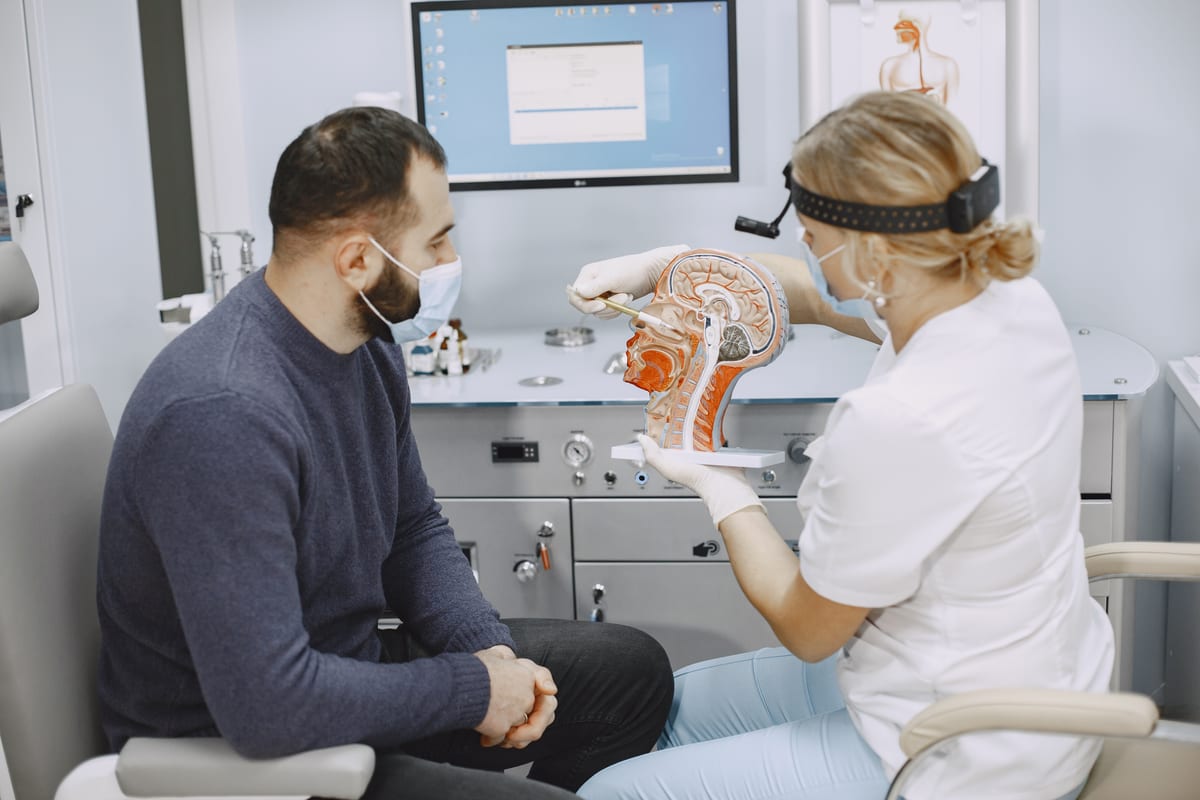
When Should You Contact Your Orthodontist?
Call your orthodontist if you experience:
- Severe pain lasting longer than one week
- Broken brackets
- Loose wires
- Swelling that worsens
- Signs of infection
- Difficulty chewing that does not improve
- Mouth sores that fail to heal
Prompt evaluation helps keep orthodontic treatment on schedule and prevents complications.
Tips for Comfortable Brushing With Braces
To make brushing more comfortable:
- Brush after every meal whenever possible.
- Use fluoride toothpaste.
- Angle the toothbrush above and below each bracket.
- Brush for at least two minutes.
- Clean around every bracket carefully.
- Use interdental brushes for hard-to-reach areas.
- Finish by gently brushing your tongue.
Consistent oral hygiene helps reduce plaque buildup and inflammation, making brushing more comfortable over time.
Conclusion
It’s common for braces to feel sore after brushing, especially during the first few days after getting braces or following an orthodontic adjustment. In most cases, the discomfort results from normal tooth movement, temporary inflammation, or gentle pressure on already sensitive teeth and gums—not from brushing itself. Maintaining excellent oral hygiene is one of the best ways to keep your treatment on track and reduce the risk of cavities, gum disease, and white spot lesions.
If your soreness is mild and improves within a few days, simple measures such as using a soft-bristled toothbrush, rinsing with warm salt water, eating softer foods, and brushing gently are usually enough to provide relief. However, persistent or severe pain, broken braces, swelling, or signs of infection should never be ignored. Regular orthodontic visits and good home care will help ensure a healthier, more comfortable journey toward a straighter smile.
Frequently Asked Questions
1. Is it normal for braces to hurt after brushing?
Yes. Mild soreness after brushing is common, especially after braces are first placed or adjusted. The discomfort usually improves within a few days.
2. Why do my teeth feel sensitive when I brush with braces?
Orthodontic tooth movement temporarily makes the teeth and surrounding tissues more sensitive. Gentle brushing may briefly increase that sensitivity without causing damage.
3. Should I stop brushing if my braces hurt?
No. Continue brushing twice daily using a soft-bristled toothbrush and gentle technique. Good oral hygiene helps reduce inflammation and prevents cavities during orthodontic treatment.
4. How can I make brushing with braces less painful?
Use a soft toothbrush, brush gently, rinse with warm salt water, eat softer foods if needed, and follow your orthodontist’s recommendations for pain management.
5. When should I call my orthodontist about braces pain?
Contact your orthodontist if you have severe pain lasting more than a week, swelling, broken brackets, loose wires, mouth sores that do not heal, or signs of infection.