



If you have been wondering how long Invisalign takes—your real timeline explained in Boca Raton starts here. Most patients want a straight answer before committing to treatment. The truth is, timelines vary widely depending on your unique smile. Dr. Jennifer Statler at Statler Orthodontics helps Boca Raton patients understand exactly what to expect from day one.
What Is the Average Invisalign Timeline?
Most Invisalign cases take between 12 and 18 months to complete. Mild alignment issues can resolve in as little as 6 months. More complex cases involving crowding, spacing, or bite problems may require up to 24 months. Your orthodontist will give you a personalized estimate after a full evaluation.
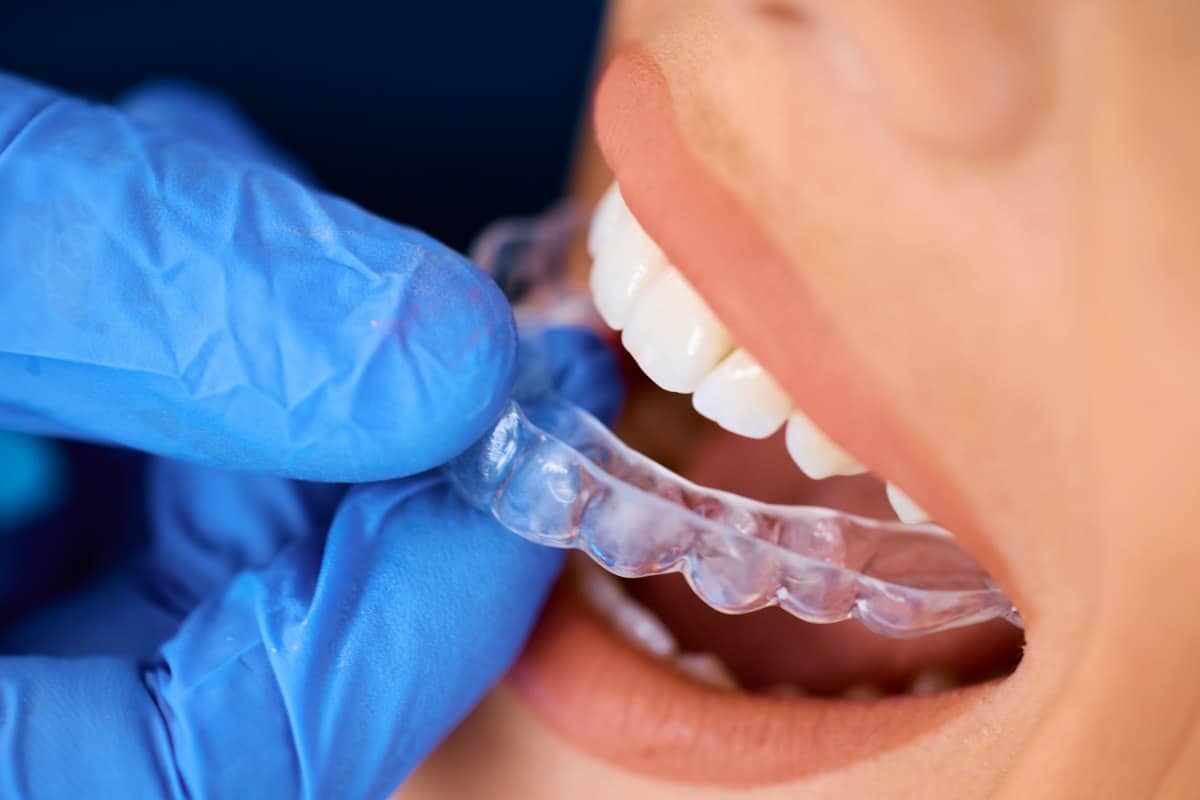
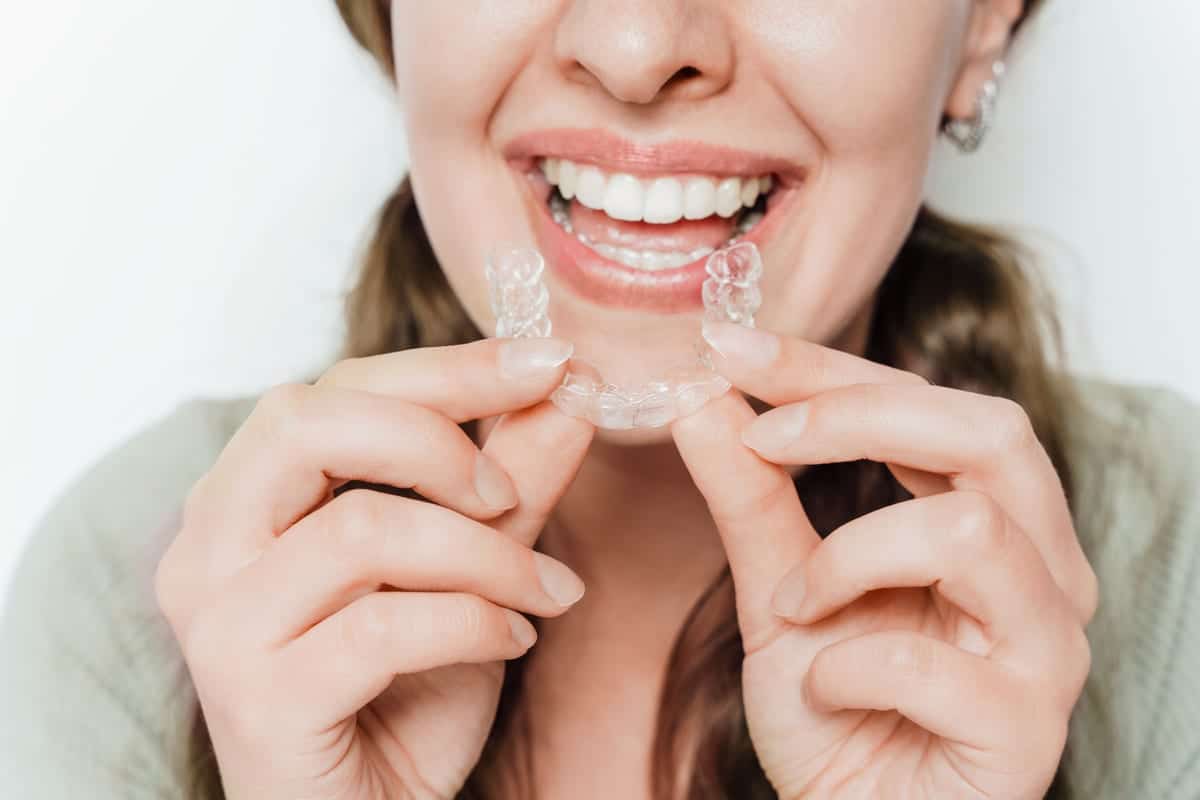
Each set of aligners is worn for about one to two weeks. You then advance to the next tray in your series. Every tray moves your teeth a small, precise amount. Progress adds up gradually over the full course of treatment.
Teens and adults often have different average timelines. Teen treatment tends to take slightly longer because of ongoing jaw and tooth development. Adult cases can move quickly when compliance is strong. Knowing the general range helps you plan your smile journey realistically.
Factors That Affect Your Invisalign Timeline in Boca Raton
Several key factors influence how long your treatment will take. Understanding them helps you set accurate expectations from the start. Some factors are within your control, and others are simply biological. Dr. Statler reviews all of these during your initial consultation.
- Complexity of your case: Minor crowding moves faster than significant bite misalignment.
- Your age: Younger jaws respond to movement more quickly in some scenarios.
- Bone density: Denser bone can slightly slow tooth movement.
- Number of trays prescribed: More trays naturally mean a longer overall timeline.
- Attachments or elastics: These accessories help with complex movements but add steps.
- Refinement trays: Some patients need an additional round of trays near the end.
Related conditions can also affect your timeline. For example, patients with airway concerns may benefit from Airway Orthodontics Boca Raton as part of a broader treatment plan. Similarly, patients with significant jaw discrepancies may explore orthognathic surgery in Boca Raton alongside aligner therapy. Addressing underlying issues first can actually lead to better final results.
How Compliance Directly Shapes Your Results and Timeline
Compliance is the single biggest factor you can control. Invisalign aligners must be worn 20 to 22 hours per day. Removing them too often significantly slows tooth movement. Patients who wear their trays consistently finish closer to their projected end date.
Every hour you skip adds up over weeks and months. Missing even a few hours daily can add weeks to your overall treatment. That may not sound like much, but it compounds quickly. Staying disciplined keeps you on track for your target completion date.
Here are practical compliance tips Dr. Statler recommends to Boca Raton patients:
- Set phone reminders to put your aligners back in after meals.
- Keep a travel case with you so removal is never an excuse to leave them out.
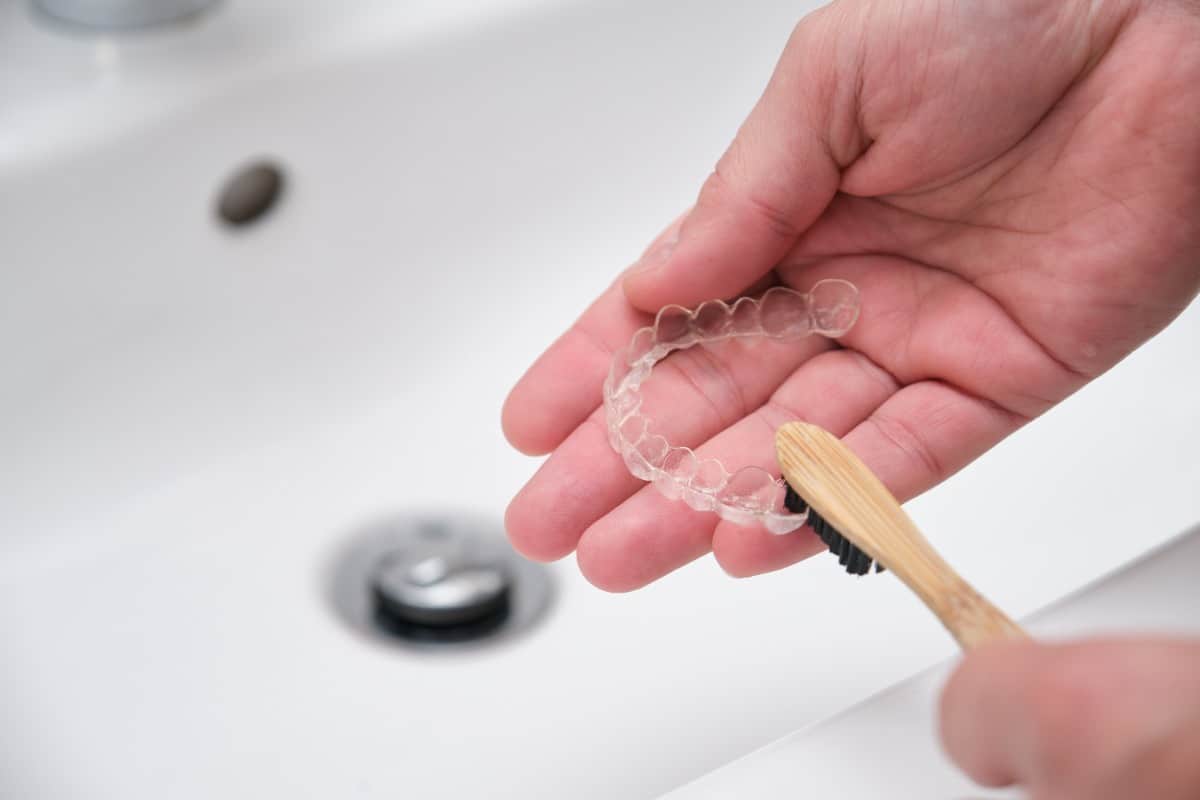
- Rinse aligners each time you reinsert them to maintain hygiene and comfort.
- Track your daily wear hours with a simple app or journal.
- Advance to your next tray on schedule unless Dr. Statler tells you otherwise.
Compliance also means attending every scheduled check-in appointment. Dr. Statler monitors your progress at regular intervals. These visits catch any issues before they extend your timeline. Skipping appointments is one of the easiest ways to add unplanned time to your treatment.
What Can Shorten or Extend Your Invisalign Treatment?
Certain habits and choices can meaningfully shorten your treatment. Wearing aligners the full recommended hours is the most impactful. Advancing trays on schedule — with your doctor’s approval — also helps. Some patients use AcceleDent or similar vibration devices to potentially speed up bone remodeling.
On the other hand, several behaviors can extend your timeline. Chewing with aligners in can warp the plastic and reduce effectiveness. Exposing trays to heat can cause distortion and a poor fit. Losing a tray requires ordering a replacement, which takes time and pauses progress.
Dental health issues can also create delays. Cavities or gum inflammation must be treated before orthodontic movement continues. Neglecting oral hygiene during Invisalign treatment is a common mistake. Keeping your teeth and gums healthy protects your timeline and your overall results.
Some patients also need refinements at the end of their original series. Refinement trays are customized to perfect tooth positions that need a final push. They typically add four to six months to total treatment time. Dr. Statler will discuss this possibility with you upfront so it is never a surprise.
What to Expect at Each Stage of Treatment
Understanding your treatment stages reduces anxiety and builds confidence. Here is a general breakdown of what happens from start to finish.
Stage one — Consultation and planning: Dr. Statler takes digital scans of your teeth. She uses Invisalign’s ClinCheck software to map out your entire treatment. You can actually see a simulation of your final smile before you begin. This stage typically takes one to two weeks.
Stage two — Active aligner wear: You receive your first set of trays and begin wearing them immediately. You return to Statler Orthodontics every six to ten weeks for progress checks. Dr. Statler ensures teeth are tracking correctly at each visit. This is the longest phase of the overall process.
Stage three — Refinements if needed: After your final tray, Dr. Jennifer Statler evaluates your results. If minor adjustments are needed, refinement trays are ordered. Not every patient needs this phase. Those who do typically complete refinements within a few additional months.
Stage four — Retention: Once active treatment ends, retainers preserve your results. Retainers are worn nightly and prevent teeth from shifting back. This phase is lifelong for most patients. Skipping retainers is the most common cause of relapse after Invisalign.
Conclusion: Your Smile Timeline Starts With One Conversation
Every Invisalign journey in Boca Raton is unique. Average timelines give you a starting point, but your personal case determines the real answer. The best way to get an accurate picture is to meet with Dr. Jennifer Statler at Statler Orthodontics. She will evaluate your smile and give you a clear, honest timeline built around your specific needs.
Compliance, consistent appointments, and good oral hygiene are your most powerful tools. They put you in control of how quickly you reach your goal. Understanding what affects your timeline means no surprises along the way. You deserve to enter treatment with full, realistic knowledge—and that is exactly what this practice delivers.
Ready to find out how long your Invisalign journey will take? Book now to schedule your appointment with our team.
Frequently Asked Questions
How long does Invisalign take for mild crowding?
Mild crowding cases often resolve in six to twelve months. The exact duration depends on how many aligners are needed and how consistently you wear them. Dr. Statler will give you a precise estimate after reviewing your digital scan and bite evaluation.
Can I finish Invisalign faster by wearing my trays longer each day?
Wearing your trays 22 hours per day is already the recommended maximum. You cannot safely accelerate movement beyond what each tray is designed to do. However, strict compliance helps ensure you don’t fall behind your projected timeline.
What happens if I lose an aligner during treatment?
Contact Statler Orthodontics immediately if you lose a tray. Dr. Statler may advise you to wear your previous tray while a replacement is ordered. Losing trays can add time and cost to your treatment, so storing each set properly is important.
Do Invisalign timelines differ for teens versus adults?
Teen cases sometimes run slightly longer due to jaw development and compliance challenges. Adults who wear their trays consistently often complete treatment close to or within their projected timeframe. Both groups achieve excellent results under proper orthodontic supervision.
Is the retention phase included in the overall Invisalign timeline?
Active treatment and the retention phase are typically discussed separately. Active treatment ends when your final aligner is complete and any refinements are done. Retention then begins with a nighttime retainer and continues indefinitely to protect your results long-term.