



Imagine you are getting ready for a presentation at work, recording a video, or meeting friends for lunch in Boca Raton. You put in your new Invisalign aligners and suddenly notice that certain words sound different. Maybe your “s” sounds whistle, your “z” sounds unusual, or your tongue doesn’t move quite the way it normally does.
If this sounds familiar, you are not alone. Clear aligners can temporarily affect speech because they introduce a thin layer of plastic between parts of your teeth and the inside of your mouth. Your tongue, lips, and teeth work together to produce speech, so even a small change in the space inside your mouth can affect pronunciation at first.
The good news is that many people adapt as they get used to wearing their aligners. However, the adjustment period differs from person to person, and persistent speech difficulties deserve attention.
At Statler Orthodontics in Boca Raton, FL, Dr. Jennifer Statler can help you understand what to expect during Invisalign treatment in Boca Raton and how to manage common adjustments. In this guide, we will explain why aligners may affect speech, which sounds are most likely to change, how long adaptation may take, and what you can do to feel more confident when speaking.
How Can Invisalign Change the Way You Speak?
Speech depends on coordinated movements of the tongue, lips, teeth, and palate. When you pronounce a word, your tongue moves into specific positions to direct airflow and create different sounds.
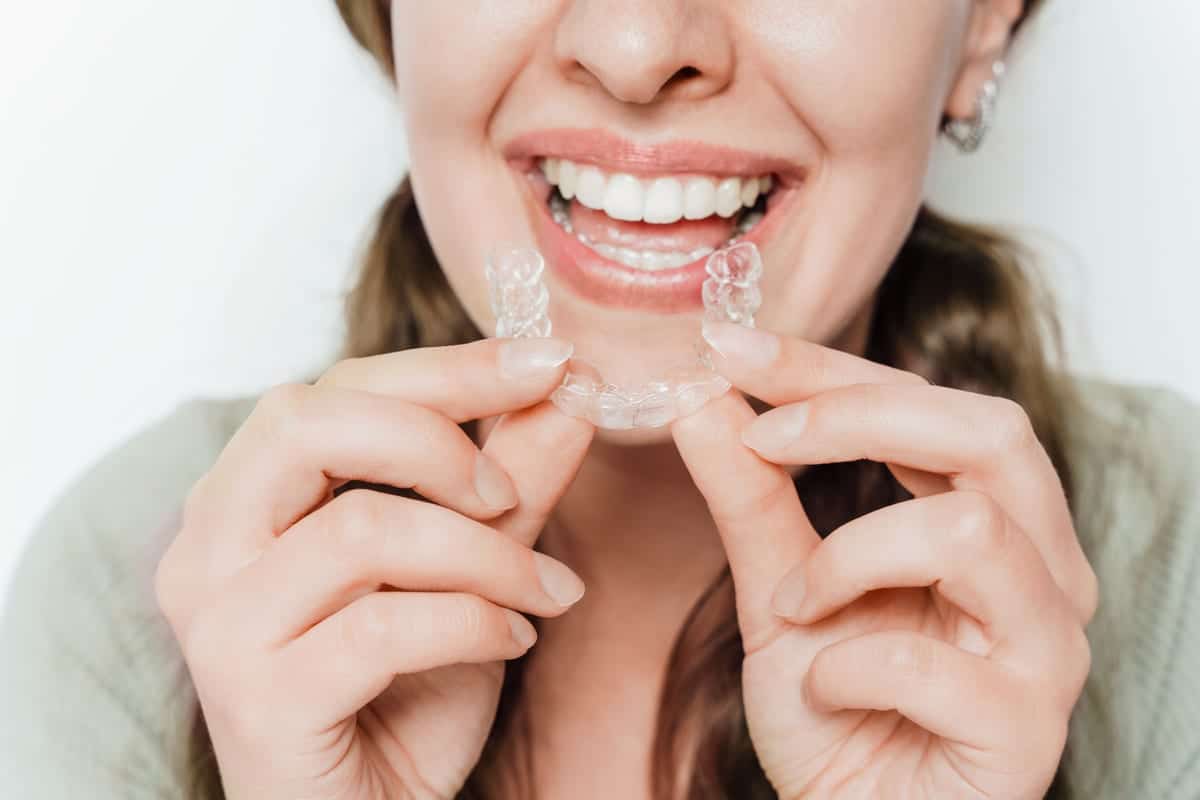
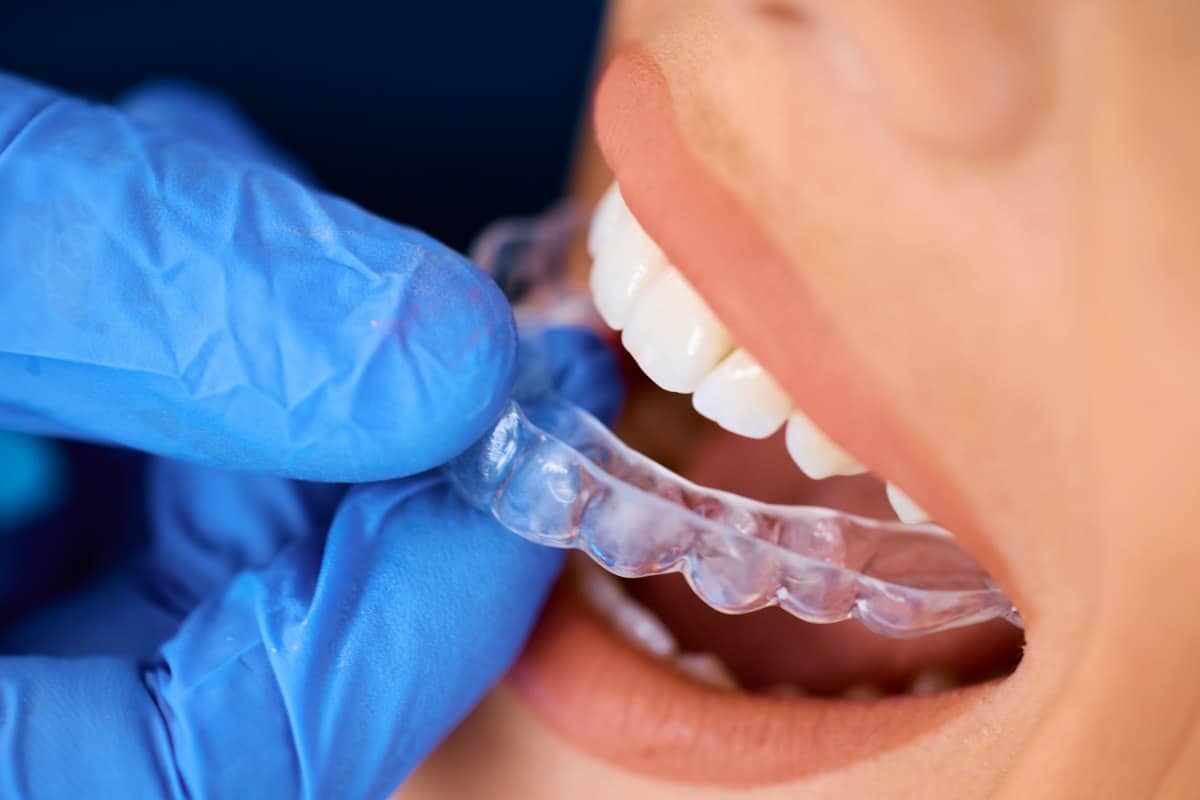
Clear aligners are custom-made plastic trays that fit over your teeth. Although they are thin, they can slightly change the surfaces your tongue touches and the space available for certain movements. Your mouth then needs time to adjust to speaking with the appliance in place.
You might notice:
- A slight lisp or whistle when saying certain words
- Difficulty pronouncing “s” and “z” sounds clearly
- A temporary feeling that your tongue is getting in the way
- Changes in how quickly or comfortably you speak
- A mild difference in the way your voice sounds to you
These changes do not necessarily mean anything is wrong with your treatment. They can be part of the initial adjustment to wearing an appliance.
A 2021 randomized clinical trial compared speech production in 40 patients, with 20 receiving aligners and 20 receiving conventional fixed braces. Researchers detected differences in speech production immediately after inserting the appliances, particularly in the aligner group. By 30 days, the groups showed similar results in the speech therapist’s assessment. Patient-reported speech difficulties also improved over time.
The study was relatively small, so it cannot predict exactly how quickly every patient will adapt. Still, it supports the idea that early speech changes often improve with experience.
Which Speech Sounds Are Most Affected by Invisalign?
Not every sound requires the same tongue position. Some consonants depend on precise contact between the tongue and nearby surfaces, so they may be more noticeable when you first start wearing aligners.
The “S” Sound
The “s” sound requires controlled airflow through a narrow space near the front of the mouth. A new aligner can change the tongue’s relationship with the teeth and alter how that airflow feels.
You may notice a slight whistle, a softer sound, or a lisp when saying words such as “see,” “sun,” or “necessary.” This can be especially noticeable when you speak quickly.
The “Z” Sound
The “z” sound uses a similar tongue position to “s,” but it also involves vocal-cord vibration. Because the two sounds are produced similarly, they may feel different when you first wear aligners.
A 2019 study involving 30 patients undergoing Invisalign treatment found that consonant misarticulation was significantly associated with wearing the aligners. The study found that the “z” sound was most affected, followed by “s.”
This finding came from a small study, so it does not mean every Invisalign patient will develop a lisp. It does, however, help explain why these sounds are commonly mentioned by new aligner users.
“Sh,” “Th,” and “Ch” Sounds
Some patients also notice differences when saying “sh,” “th,” and “ch.” These sounds require precise coordination between the tongue, teeth, and airflow. The aligner may temporarily change how the tongue moves or where it rests when you speak.
You might find it harder to say certain names, read aloud, or speak clearly when you are tired. If this happens, slow down slightly and focus on speaking naturally rather than forcing every sound.
How Long Does It Take to Adjust to Speaking With Invisalign?
For many patients, speech becomes more comfortable during the first one or two weeks. However, there is no guaranteed adaptation period.
A systematic review published in the European Journal of Orthodontics examined seven studies involving 332 patients. All seven studies reported that clear aligners could affect speech clarity or delivery. In recovery studies, many patients adapted within 7–14 days, while some took 30–60 days.
The review also highlighted an important limitation: studies differed in design and quality, and overall evidence certainty was low. Therefore, these timeframes should be viewed as general guidance rather than a promise that speech will return to normal by a particular day.
A separate prospective clinical study of adult patients found that speech changes could still be detected after two months in some Invisalign users, even though patients showed signs of adaptation. This illustrates why experiences vary.
If your speech isn’t improving, the aligners feel poorly fitted, or the change interferes with daily communication, contact your orthodontist for advice.
Does Invisalign Affect Speech More Than Traditional Braces?
Both clear aligners and conventional braces can affect speech, but they may do so differently.
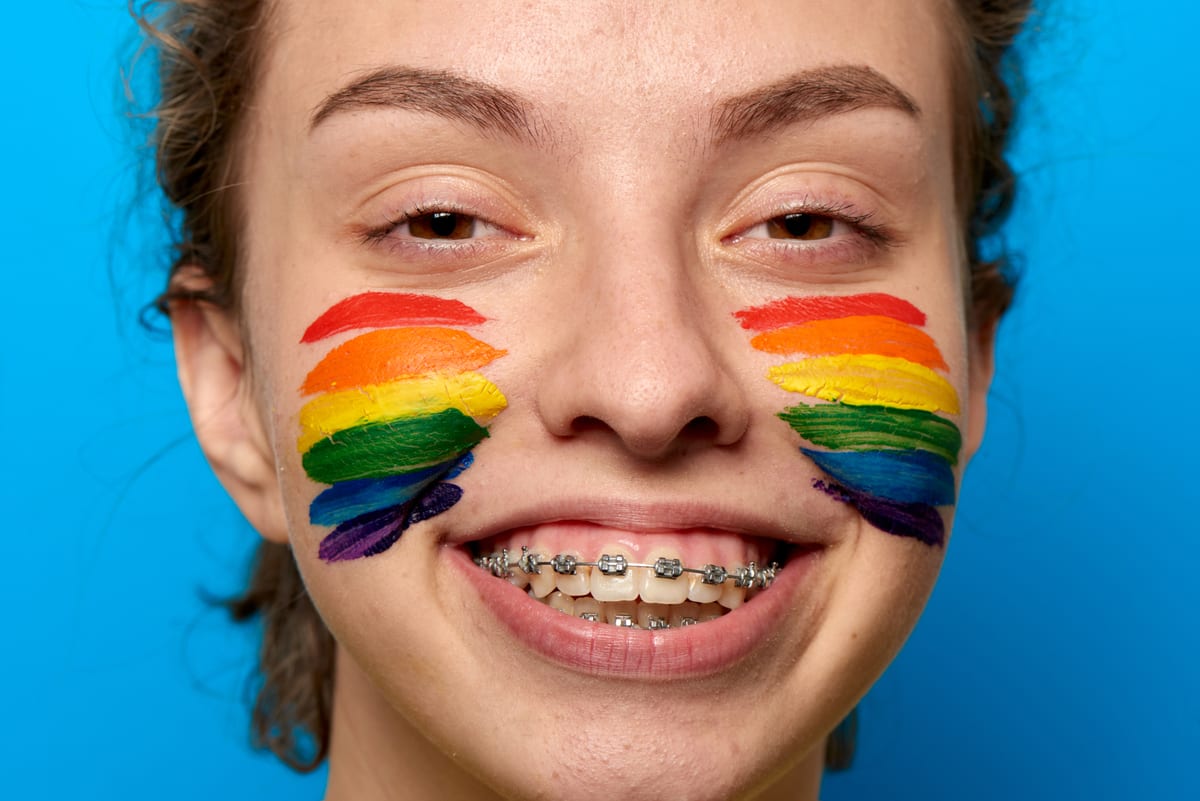
Traditional braces use brackets attached to the front of the teeth and a wire connecting them. Clear aligners cover the teeth with a removable plastic tray. Both appliances introduce something new into the mouth, and both may change how the tongue and lips interact with nearby surfaces.
Some studies have found short-term speech difficulties with both treatment types. Others report more noticeable changes with clear aligners on certain speech measures. Differences in study design, appliance type, the sounds evaluated, and the participants make it difficult to declare one option universally better for speech.
A 2019 observational study compared 60 adult patients: 30 receiving Invisalign and 30 wearing conventional fixed braces. The aligner group reported greater short-term speech difficulty and a greater need to adjust their speech delivery. The study also found that aligner users reported advantages in other areas, including fewer restrictions on food and fewer mouth sores.
These results describe the patients included in that study, not every person considering orthodontic treatment in Boca Raton.
If you speak publicly, teach, perform, or regularly participate in video calls, mention those responsibilities during your orthodontic consultation. Dr. Jennifer Statler can discuss potential adjustments and help you understand the practical considerations of your treatment options.
How Can You Improve Your Speech While Wearing Invisalign?
You don’t need special equipment to start getting used to speaking with aligners. A little consistent practice may help you feel more comfortable.
1. Read Aloud Every Day
Choose a book, article, or short passage and read aloud for several minutes. Start at a comfortable pace, concentrating on clear pronunciation rather than speed.
Reading lets you practice different sounds without the pressure of conversation. You can also record yourself occasionally to notice whether your pronunciation is becoming clearer.
2. Practice Difficult Words
If you find “s” or “z” especially challenging, practice words that contain those sounds. Try saying “sunshine,” “necessary,” “season,” and “zero” slowly, then gradually return to your normal speaking pace.
You can also practice common phrases you use at work or school. The goal is to become comfortable speaking with your aligners in place, not to force your tongue into an unnatural position.
3. Speak at a Comfortable Pace
When you are worried about a lisp, you may rush through words or tense your mouth. Instead, slow down slightly, relax your jaw, and give your tongue time to form each sound.
Clear speech is more important than speaking quickly. As your mouth adjusts, you can gradually return to your usual pace.
4. Wear Your Aligners as Prescribed
Follow the wear schedule your orthodontist provides. Many clear aligner treatment plans require approximately 20–22 hours of daily wear, although individual instructions may differ.
Consistent wear helps your teeth follow the treatment plan and gives you regular practice speaking with the appliance in place. Don’t remove your aligners repeatedly to avoid speaking with them, and don’t extend or change your wear schedule without guidance.
5. Stay Hydrated and Keep Your Aligners Clean
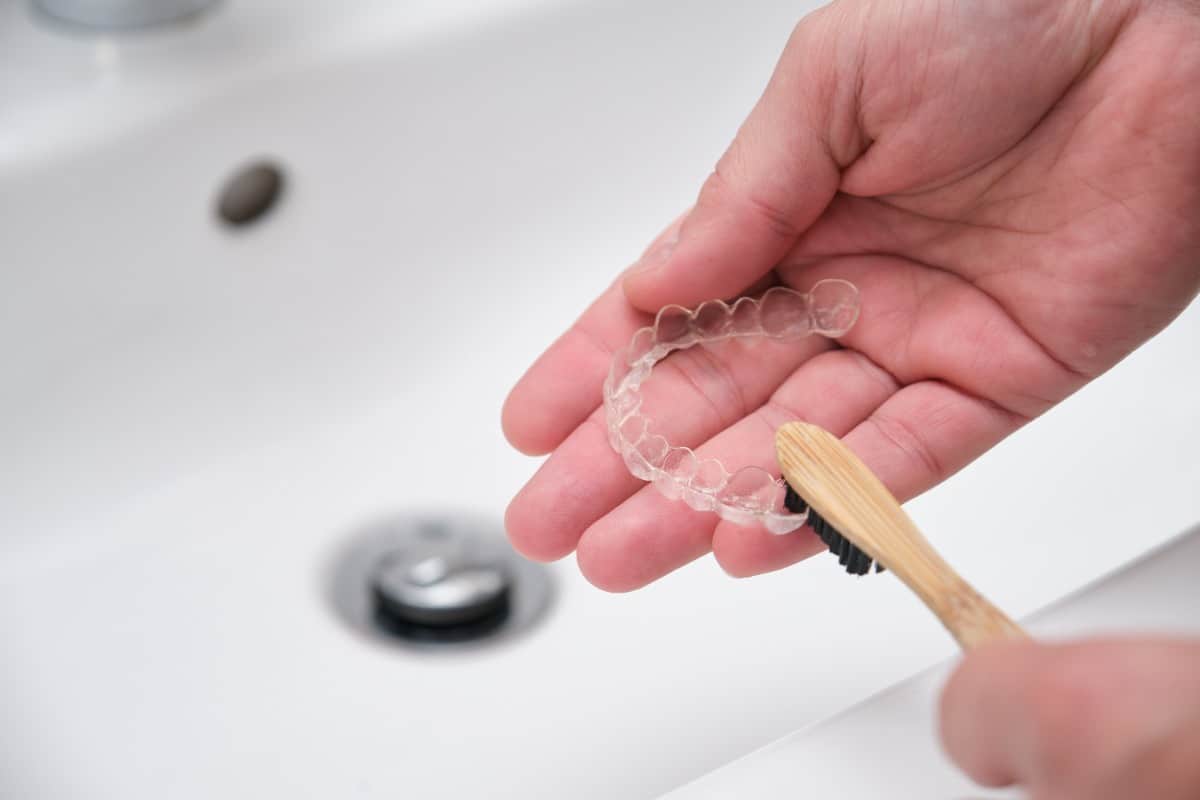
Drinking water regularly can help keep your mouth comfortable. Follow your orthodontist’s cleaning instructions to keep your aligners clean and ready for use.
If your mouth feels unusually dry or the aligners irritate your tongue, ask your orthodontist for advice. Don’t modify or trim the trays yourself.
Should You Remove Invisalign Before Speaking in Public?
In most cases, you should speak with your aligners in place and follow the prescribed wear schedule. Removing them before meetings, presentations, or social events may seem like an easy solution, but frequent removal can reduce wear time and interfere with treatment.
Instead, practice speaking while wearing your trays before an important event. Read your presentation aloud, rehearse common phrases, and give yourself time to get comfortable with how your voice sounds.
If you have a major presentation coming up when you start treatment, let your orthodontist know. Depending on your treatment needs, you may be able to plan the initial adjustment period around your schedule.
Remember, a slight change in pronunciation is often more noticeable to you than to others. You do not need to avoid conversations while you adapt.
When Should You Contact Your Orthodontist?
A mild lisp or altered pronunciation during the first days of treatment is often temporary. However, contact your orthodontist if the problem persists, worsens, or makes everyday communication difficult.
You should also ask for advice if:
- Your aligners do not fit snugly or appear distorted
- A sharp edge is irritating your tongue or mouth
- You develop persistent pain or sores
- Your speech changes suddenly rather than gradually
- You are struggling to wear your aligners for the prescribed time
An orthodontic examination can help determine whether the tray fits correctly and whether any adjustments or other steps are appropriate. Do not cut, bend, or otherwise modify the aligners yourself.
If you have a sudden change in speech accompanied by facial weakness, confusion, or difficulty swallowing or breathing, seek emergency medical attention. Do not assume these symptoms are caused by orthodontic treatment.
Conclusion
Will Invisalign affect the way you speak? It can. The thin plastic trays may temporarily change how your tongue interacts with your teeth, particularly when producing “s” and “z” sounds. Research suggests that many patients adapt within one or two weeks, although some experience changes for longer. Evidence is limited, and results vary by individual.
Reading aloud, practicing challenging words, speaking at a comfortable pace, and wearing your aligners as prescribed can help you get used to talking with them. If speech difficulties persist or your aligners don’t fit properly, contact your orthodontist instead of adjusting the trays yourself.
At Statler Orthodontics, Dr. Jennifer Statler can answer your Invisalign questions and help you understand what to expect throughout treatment.
Visit our dental practice in Boca Raton, FL. Book now to schedule your appointment with our team.
Frequently Asked Questions
1. What orthodontic treatments are available at Statler Orthodontics?
Orthodontic options may include traditional braces and clear aligner treatment, depending on your needs and eligibility. Our orthodontist can assess your teeth and bite and explain which options best fit your treatment goals.
2. How often should I visit the orthodontist during Invisalign treatment?
Your appointment schedule depends on your treatment plan and progress. Our orthodontist will recommend when you should return so the team can check your tooth movement, review your aligner fit, and address any concerns.
3. What should I do if my Invisalign aligner feels uncomfortable?
Some pressure may occur when you begin wearing a new tray, but persistent pain, sharp edges, or a poor fit should be discussed with your orthodontic team. Our orthodontist can assess the issue and recommend the appropriate next step.
4. Can adults get Invisalign treatment?
Yes. Many adults may be candidates for clear aligners, depending on their dental health, bite, and orthodontic needs. Our orthodontist can evaluate your situation and discuss suitable treatment options and expected timelines.
5. How can I schedule an orthodontic appointment in Boca Raton, FL?
Contact Statler Orthodontics to ask about appointment availability and the evaluation process. Our orthodontist can review your concerns, explain your options, and help you understand the next steps in treatment.