



If you live with jaw pain, clicking, or chronic headaches, you are not alone. TMJ disorders affect millions of people across the country. Understanding your options — from splints to surgery — is the first step toward real relief. This complete TMJ treatment roadmap for Boca Raton patients walks you through every stage of care so you can make informed decisions about your health.
At Statler Orthodontics, Dr. Jennifer Statler takes a thorough, patient-first approach to TMJ treatment. No two cases are exactly alike. That is why we tailor every plan to your specific symptoms, lifestyle, and goals.
What Is TMJ and Why Does It Happen?
TMJ stands for temporomandibular joint — the hinge connecting your jaw to your skull. When this joint becomes inflamed or misaligned, it causes a condition called TMD (temporomandibular disorder). Symptoms can range from mild discomfort to debilitating pain.
Common causes of TMJ disorders include:
- Teeth grinding or clenching (bruxism)
- Bite misalignment or malocclusion
- Jaw injury or trauma
- Arthritis affecting the joint
- Chronic stress leading to muscle tension
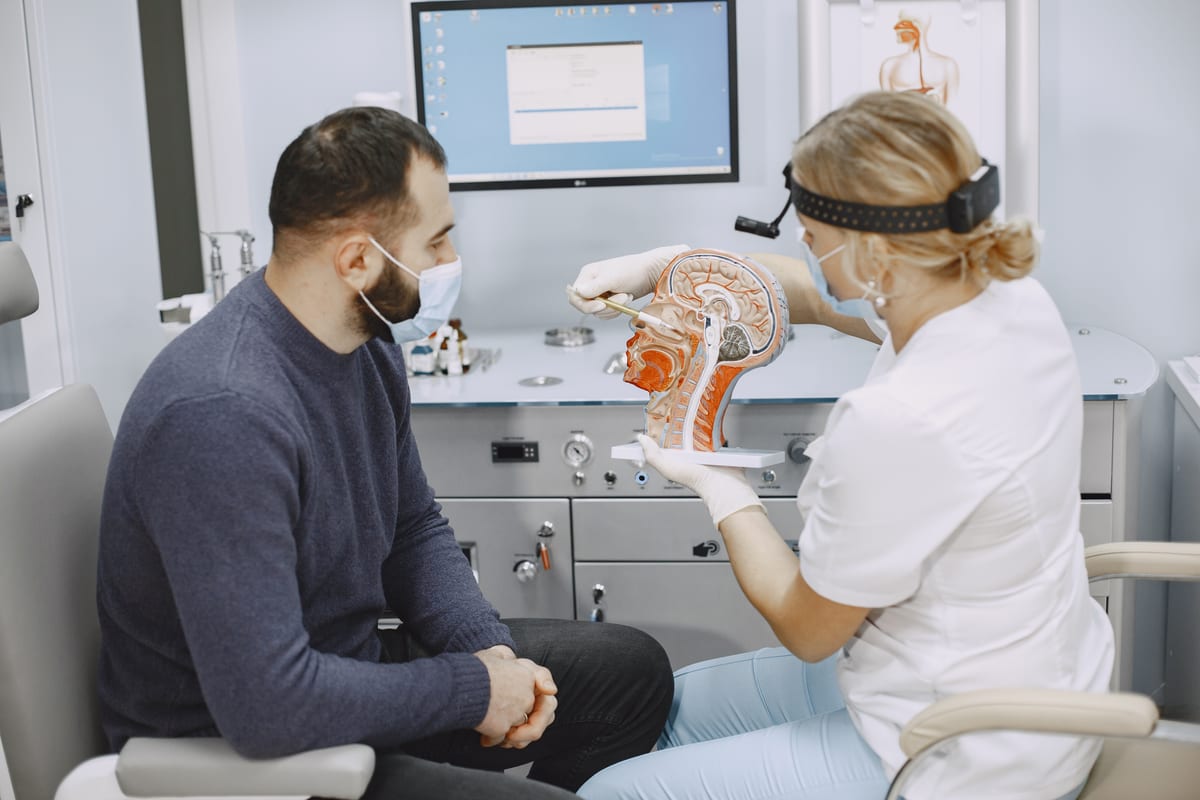
Identifying the root cause is essential. Without understanding why your TMJ is flaring, treatment may only offer temporary relief. Dr. Statler begins every TMJ case with a comprehensive evaluation to pinpoint the source of your discomfort.
Starting With Conservative TMJ Treatment Options in Boca Raton
Most TMJ patients start with conservative, non-invasive approaches. These strategies are effective for mild to moderate cases. They also carry the lowest risk and shortest recovery time.
Common first-line treatments include:
- Applying warm or cold compresses to the jaw
- Eating soft foods to reduce joint stress
- Practicing gentle jaw stretches and exercises
- Reducing stress through mindfulness or relaxation techniques
- Avoiding wide jaw movements like yawning or chewing gum
Over-the-counter anti-inflammatories can also help manage acute pain. These steps will not always resolve the issue completely. However, they provide meaningful relief while more targeted treatment is planned.
Dr. Statler may also recommend short-term physical therapy. Targeted exercises can strengthen the muscles around your jaw. This can reduce strain on the joint over time.
Occlusal Splints: The Cornerstone of TMJ Therapy
When home care is not enough, occlusal splints are typically the next step. A splint — sometimes called a night guard or bite guard — is a custom-fitted oral appliance. It repositions your jaw and prevents grinding while you sleep.
Splints work by:
- Reducing pressure on the temporomandibular joint
- Protecting teeth from grinding-related wear
- Encouraging the jaw to rest in a healthier position
- Relieving muscle tension that causes morning headaches
At Statler Orthodontics, we custom-fabricate each splint for a precise, comfortable fit. Store-bought options rarely provide the same level of effectiveness. A poorly fitted guard can actually worsen your symptoms over time.
Most patients notice improvement within a few weeks of consistent splint use. Dr. Statler monitors your progress closely and adjusts the appliance as needed. This stage of the treatment roadmap resolves many TMJ cases without further intervention.
Orthodontic Solutions That Address Bite-Related TMJ Issues
Sometimes TMJ disorders are directly linked to how your teeth come together. A misaligned bite places uneven pressure on the joint. Correcting that alignment can dramatically reduce — or even eliminate — TMJ symptoms.
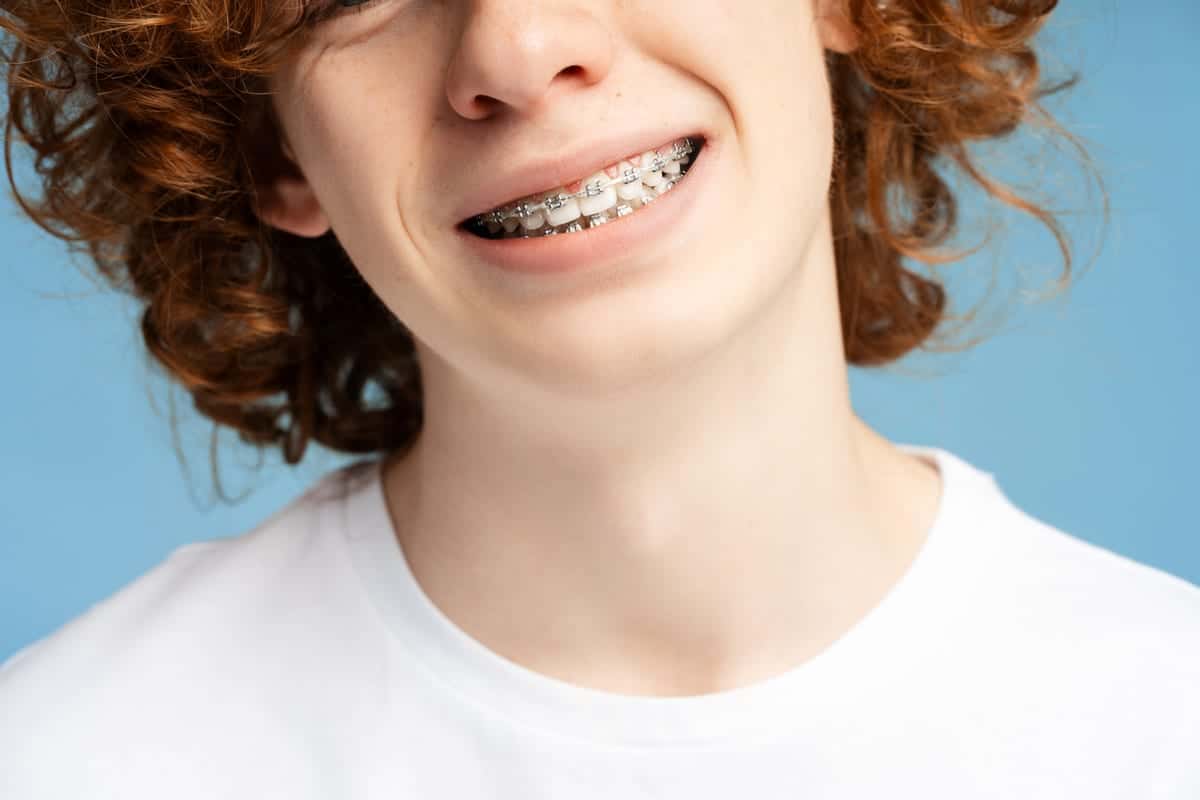
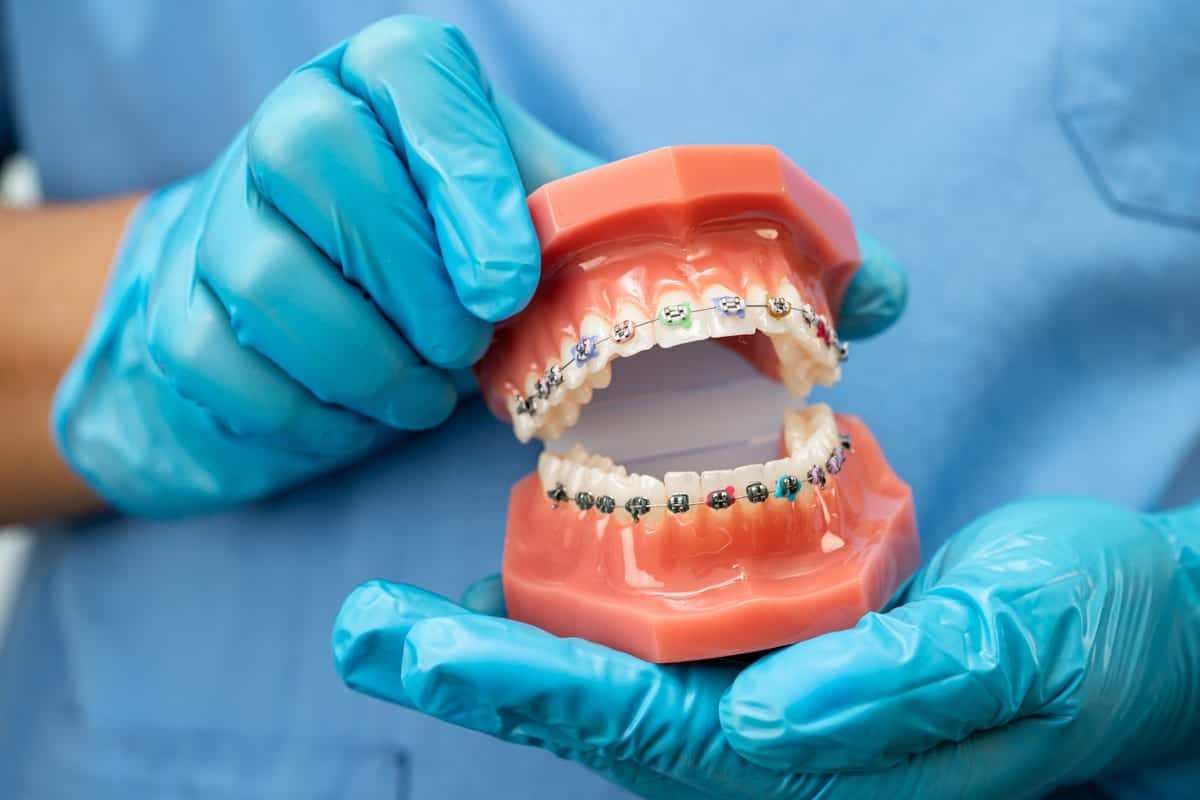
Orthodontic treatments that may help include traditional braces or clear aligner therapy. For adults exploring discreet options, Invisalign Boca Raton offers a comfortable way to realign teeth without metal brackets. Teens dealing with both alignment issues and TMJ discomfort may benefit from Invisalign Teen Boca Raton, which is designed specifically for growing smiles.
Orthodontic treatment is not right for every TMJ case. Dr. Statler evaluates whether bite correction will genuinely address your joint dysfunction. If it will, this approach can provide lasting structural relief rather than just symptom management.
Combining orthodontic alignment with splint therapy is sometimes the most effective path. These two treatments complement each other well. Together, they address both the symptoms and the underlying mechanical cause.
Advanced and Minimally Invasive Clinical Interventions
When conservative treatments and orthodontic solutions do not provide sufficient relief, clinical interventions are available. These options are typically reserved for moderate to severe cases. They require careful evaluation and planning before proceeding.
Options at this stage may include:
- Trigger point injections: Targeted muscle injections to relieve tension and spasm
- Corticosteroid injections: Reduce inflammation directly within the joint
- Botox therapy: Relaxes overactive jaw muscles that contribute to grinding
- Arthrocentesis: A minimally invasive procedure to flush the joint and remove inflammatory byproducts
Qualified specialists perform these approaches. Dr. Statler works closely with a trusted network of oral surgeons and specialists in Boca Raton. She will refer you appropriately and coordinate your care throughout the process.
These interventions are not first resorts. Moving through the treatment roadmap systematically leads to better outcomes. Jumping to advanced options too early can complicate recovery.
When Is TMJ Surgery Considered?
Surgery is the least common treatment for TMJ disorders. Doctors typically consider it only when other options have failed to provide adequate relief. The good news is that most patients never need to reach this stage.
Surgical options range from arthroscopy — a minimally invasive joint procedure — to open-joint surgery for severe structural damage. Oral and maxillofacial surgeons perform these procedures. Recovery times and outcomes vary depending on the complexity of each case.
Dr. Statler will be transparent with you if surgery becomes a conversation worth having. She believes in exhausting every conservative option first. Her goal is always to find the simplest, most effective solution for your unique situation.
Your TMJ Journey Starts With the Right Diagnosis
The most important step in any TMJ treatment roadmap is an accurate, thorough diagnosis. Without understanding what is driving your symptoms, even the best treatments may fall short. At Statler Orthodontics in Boca Raton, Dr. Statler uses detailed evaluations — including bite analysis and joint assessment — to get to the root of your pain.
From that foundation, she builds a customized plan that progresses logically through your options. Most patients find lasting relief well before reaching advanced interventions. You deserve a clear path forward — and that is exactly what we provide.
Ready to take the first step toward a pain-free jaw? Book now to schedule your appointment with our team.
Frequently Asked Questions
How do I know if I have a TMJ disorder?
Common signs include jaw pain, clicking or popping sounds, difficulty chewing, headaches, and ear discomfort. If you experience any of these symptoms regularly, a professional evaluation is the best next step. Dr. Statler can assess your jaw and help determine whether TMJ is the cause.
Can TMJ go away on its own?
Mild TMJ flare-ups sometimes resolve with rest and conservative home care. However, chronic or worsening symptoms typically require professional treatment. Leaving TMJ untreated can lead to progressive joint damage and more complex problems over time.
Are occlusal splints uncomfortable to wear?
Most patients adjust to wearing a splint within a few nights. Statler Orthodontics designs custom-fitted splints for comfort and precision. They shouldn’t cause pain—if discomfort persists, Dr. Statler can adjust the fit accordingly.
Can Invisalign help with TMJ symptoms?
When bite misalignment contributes to TMJ dysfunction, clear aligner therapy may help. Correcting how your teeth meet can reduce stress on the joint. Dr. Statler will evaluate whether orthodontic treatment is an appropriate part of your TMJ care plan.
How long does TMJ treatment typically take?
Treatment timelines vary widely depending on the severity of your condition and the approach used. Some patients see improvement within weeks of starting splint therapy. More complex cases involving orthodontics or clinical intervention may take several months to a year or more.