


As a parent, you want the best for your child’s health — and that includes their smile. If you’ve been wondering whether your child is ready for early orthodontic treatment in Boca Raton, you’re not alone. Many parents ask this exact question. The good news is that an early evaluation can provide clear, reassuring answers. At Statler Orthodontics, Dr. Jennifer Statler helps families understand their child’s unique dental development and what steps, if any, make sense right now.
What Is Early Orthodontic Treatment and Why Does It Matter?
Early orthodontic treatment — sometimes called Phase 1 treatment — typically begins between ages 7 and 10. At this stage, children still have a mix of baby teeth and permanent teeth. This combination creates a unique window of opportunity. Certain jaw and bite issues are far easier to correct while the bones are still growing.
The American Association of Orthodontists recommends that children receive their first orthodontic screening by age 7. This doesn’t mean every child will need treatment right away. But it does mean a trained specialist can spot developing problems early. Catching issues sooner often means simpler, less invasive solutions later.
In Boca Raton, families trust Dr. Statler to provide honest, thorough evaluations. She never recommends treatment unless it’s genuinely needed. Her goal is to educate parents — not pressure them.
Signs Your Child May Be a Candidate for Early Intervention
Not every child needs early orthodontic intervention. However, certain signs suggest it’s time to schedule an evaluation. Knowing what to look for gives you a head start.
Watch for these common indicators:
- Difficulty chewing or biting food properly
- Mouth breathing, especially during sleep
- Early or late loss of baby teeth
- Thumb sucking or prolonged pacifier use past age 4
- Teeth that appear crowded, overlapping, or widely spaced
- A jaw that shifts, pops, or looks uneven
- An overbite, underbite, or crossbite
These signs don’t automatically confirm a problem. But they do warrant a professional look. Dr. Statler examines each child carefully before drawing any conclusions.
What the Early Orthodontic Evaluation Involves
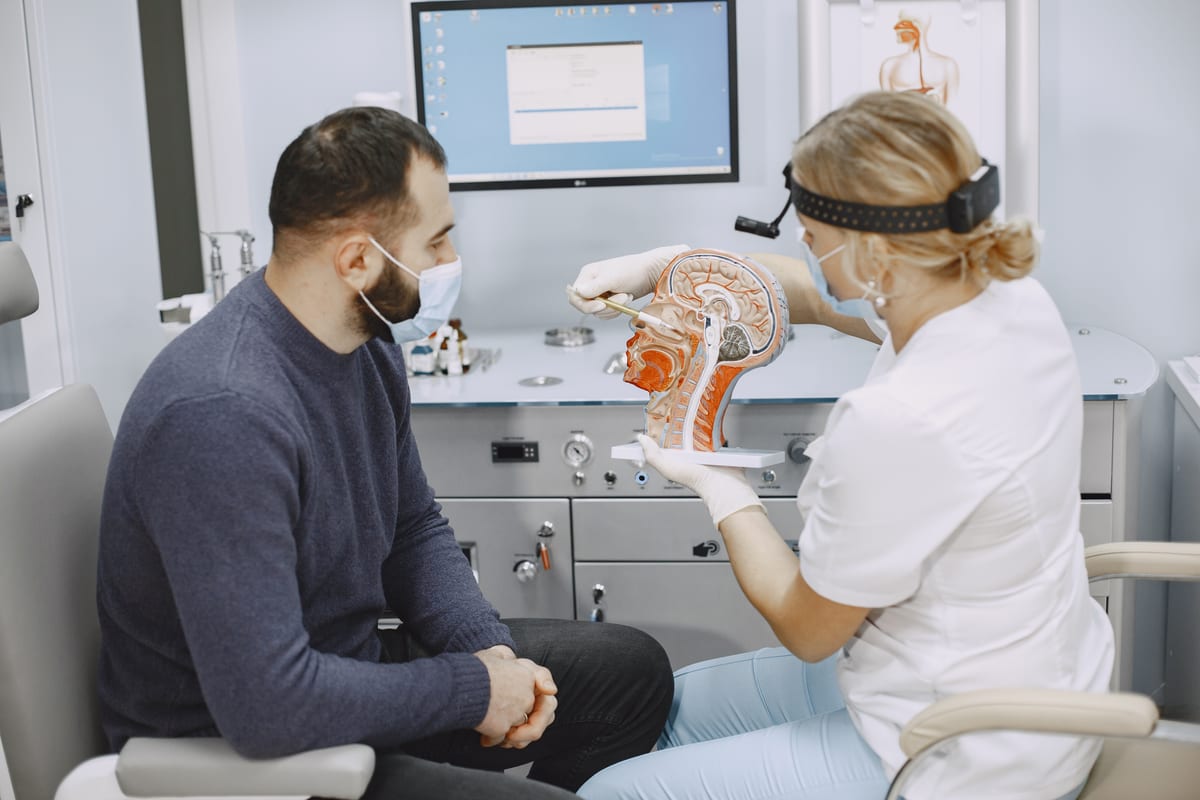
Many parents feel nervous about the evaluation process. In reality, it’s straightforward and completely comfortable for your child. Dr. Statler uses the evaluation to gather a complete picture of your child’s oral development.
Here’s what you can expect during a typical visit at Statler Orthodontics:
- Visual examination: Dr. Statler reviews teeth alignment, spacing, and bite patterns.
- Digital X-rays: These show the position of teeth not yet visible above the gumline.
- Growth assessment: She evaluates jaw development and facial bone structure.
- Discussion: Dr. Statler walks you through findings and answers every question you have.
The entire visit is relaxed and child-friendly. Dr. Statler explains everything in terms both parents and kids can understand. You’ll leave with a clear picture of your child’s orthodontic needs — or confirmation that no action is needed yet.
Factors That Determine the Best Approach for Your Child
Every child’s mouth develops differently. Several key factors influence whether early treatment is recommended and what form it takes.
Dr. Statler considers the following before making any recommendation:
- Age and growth stage: Younger jaws respond more readily to guided growth techniques.
- Severity of the issue: Mild crowding may only need monitoring, while significant bite problems may need early appliances.
- Skeletal vs. dental concerns: Jaw discrepancies often require early intervention; tooth alignment issues may wait.
- Overall oral health: Healthy gums and cavity-free teeth support a smoother treatment process.
- Child’s cooperation: Successful treatment requires a child who is ready to follow instructions.
Sometimes the best recommendation is simply watchful waiting. Dr. Statler will tell you honestly if treatment can be delayed without consequence. Other times, acting now prevents a much more complex issue later.
What Happens After Early Treatment?
Early treatment often sets the stage for a second phase when your child is older. Phase 2 typically begins once most or all permanent teeth have erupted. At that point, options like traditional braces or clear aligners come into play.
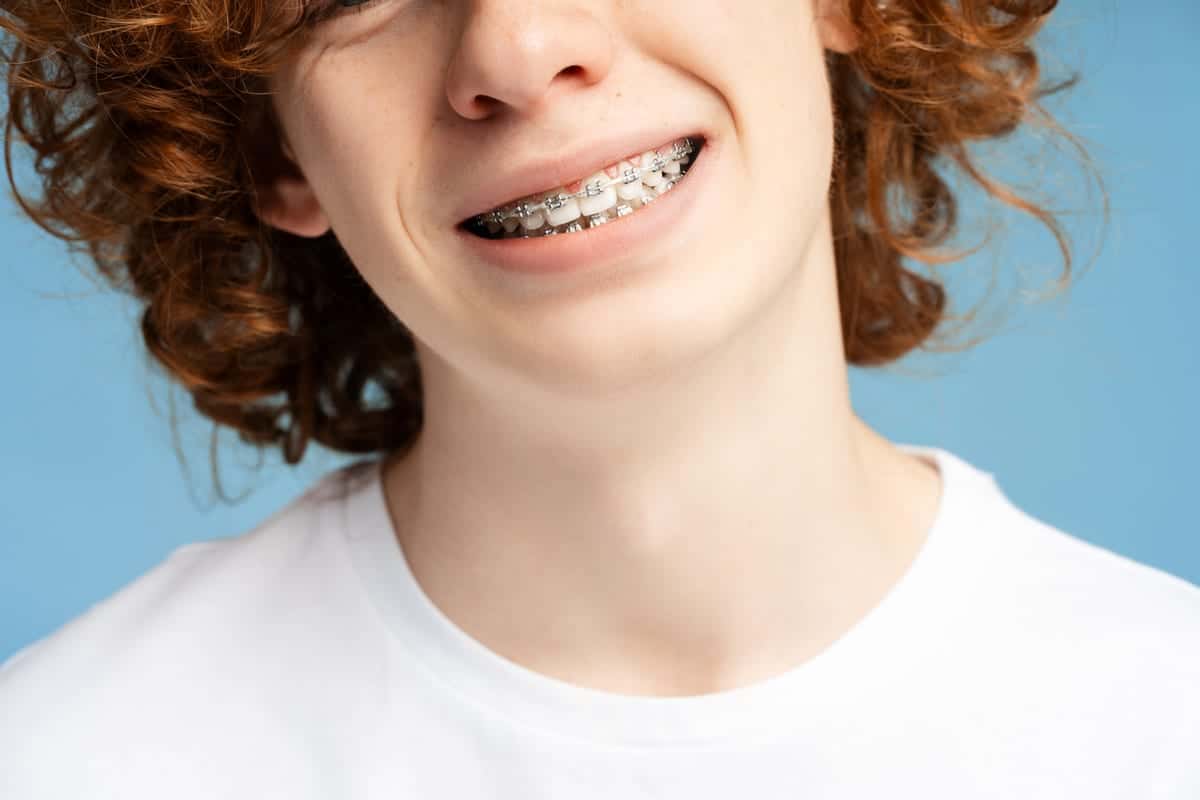
For teens, Invisalign Teen Boca Raton is a popular, discreet option that fits naturally into busy school schedules. For older teens and adults, Invisalign Boca Raton offers flexibility without the look of traditional metal brackets. Dr. Statler tailors every Phase 2 plan to what your child needs most at that stage.
Early intervention often makes Phase 2 treatment shorter and simpler. Many children who receive Phase 1 treatment achieve better long-term outcomes. Their teeth have more room, their bite is more balanced, and their confidence grows alongside their smile.
Why Boca Raton Families Choose Statler Orthodontics
Dr. Jennifer Statler has built a reputation in Boca Raton for combining clinical expertise with genuine warmth. She understands that orthodontic decisions can feel overwhelming for parents. Her approach is always to educate first and recommend only what’s truly necessary.
At Statler Orthodontics, the entire team is trained to make children feel comfortable and safe. From the moment you walk in, you’ll notice a welcoming, pressure-free environment. Parents appreciate the honest communication and detailed explanations they receive at every visit.
If you’ve been asking whether your child is ready for early orthodontic treatment in Boca Raton, the first step is simply scheduling an evaluation. You’ll walk away informed, confident, and ready to make the best decision for your child. Book Now to schedule your appointment with our team.
Frequently Asked Questions
At what age should my child have their first orthodontic evaluation?
The American Association of Orthodontists recommends a first evaluation by age 7. At this age, Dr. Statler can assess jaw development and identify any concerns with how permanent teeth are erupting. Early screening doesn’t always mean early treatment — it simply means staying informed.
Will my child definitely need braces after early treatment?
Not necessarily. Some children complete Phase 1 treatment and require only minimal Phase 2 correction. Others may still benefit from braces or clear aligners later. Dr. Statler will give you an honest outlook based on your child’s specific development and progress.
How long does early orthodontic treatment typically last?
Phase 1 treatment generally lasts between 9 and 18 months. The exact length depends on the issues being addressed and how well your child responds to treatment. After Phase 1, a monitoring period usually follows before Phase 2 begins.
Is early orthodontic treatment painful for children?
Most children experience only mild discomfort when appliances are first placed or adjusted. This typically fades within a few days. Dr. Statler and her team provide clear guidance on managing any soreness and always ensure your child feels at ease throughout the process.
What if my child’s issue doesn’t need treatment right now?
If Dr. Statler determines that waiting is the right approach, she’ll place your child on an observation schedule. Regular check-ins let her monitor development and intervene when needed. Many children need watchful monitoring — and that’s perfectly fine.