



Have you recently had your braces adjusted and noticed jaw an or discomfort that seems to spread toward your ears? You’re not imagining it. Many orthodontic patients experience temporary soreness after adjustments. Because the jaw joints and ear structures are located so close together, discomfort in one area can sometimes feel like it’s coming from the other.
The good news is that mild jaw tension or ear discomfort during orthodontic treatment is often temporary and improves as your mouth adapts. However, persistent pain, severe symptoms, or difficulty opening your mouth should never be ignored.
According to the American Association of Orthodontists (AAO), braces work by applying gentle, continuous forces that gradually move teeth into healthier positions. As teeth shift, the surrounding ligaments, jaw muscles, and bite relationships also adapt. This natural process can occasionally produce temporary muscle tension or jaw soreness, particularly after adjustments.
In this guide, you’ll learn whether braces can cause ear pain, why jaw tension sometimes develops during orthodontic treatment, practical ways to relieve discomfort, and when it’s important to contact your orthodontist for further evaluation.
Can Braces Cause Ear Pain?
Yes—but usually indirectly.
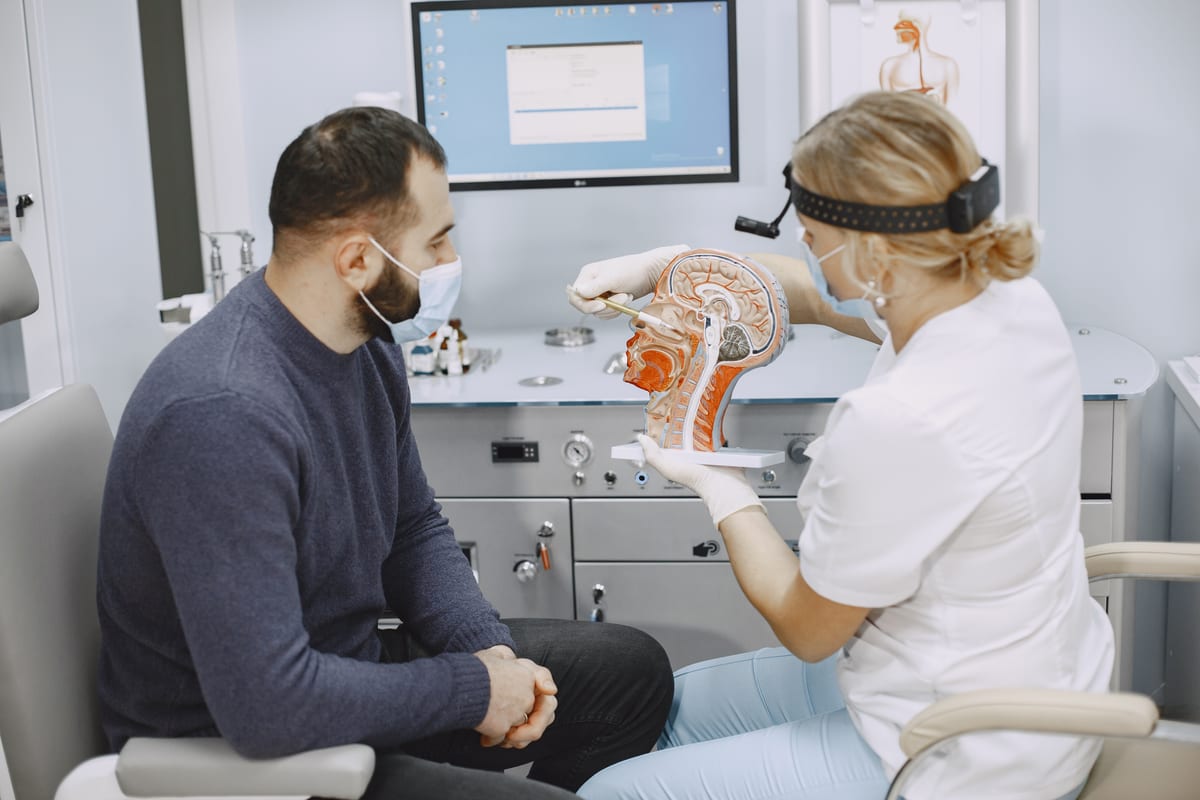
Braces themselves do not affect the ears directly. However, they can contribute to temporary discomfort that feels like ear pain because of the close relationship between the jaw joints (temporomandibular joints), chewing muscles, and ear structures.
As your teeth move, the muscles and ligaments that control jaw movement adjust to changes in your bite. This adaptation can occasionally create tension that radiates toward the ears.
In most cases, this discomfort is temporary and improves as your mouth adapts to orthodontic treatment.
Why Does Jaw Pain Sometimes Feel Like Ear Pain?
The temporomandibular joints (TMJs) sit just in front of each ear.
These joints allow you to:
- Open your mouth
- Close your mouth
- Chew
- Speak
- Yawn
Because the TMJs share nerves and muscles with nearby facial structures, inflammation or muscle tension around the jaw can sometimes feel like ear pain—even when the ear itself is healthy.
This phenomenon is known as referred pain.
How Do Braces Affect the Jaw?
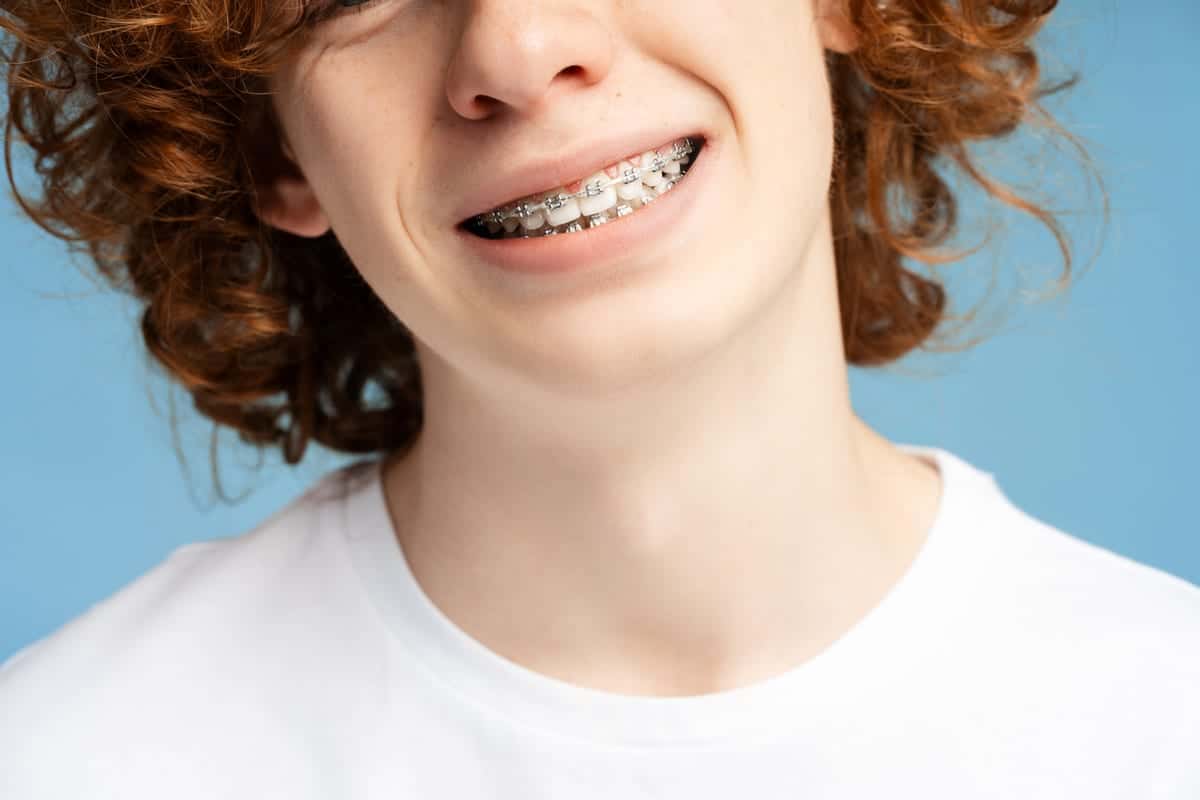
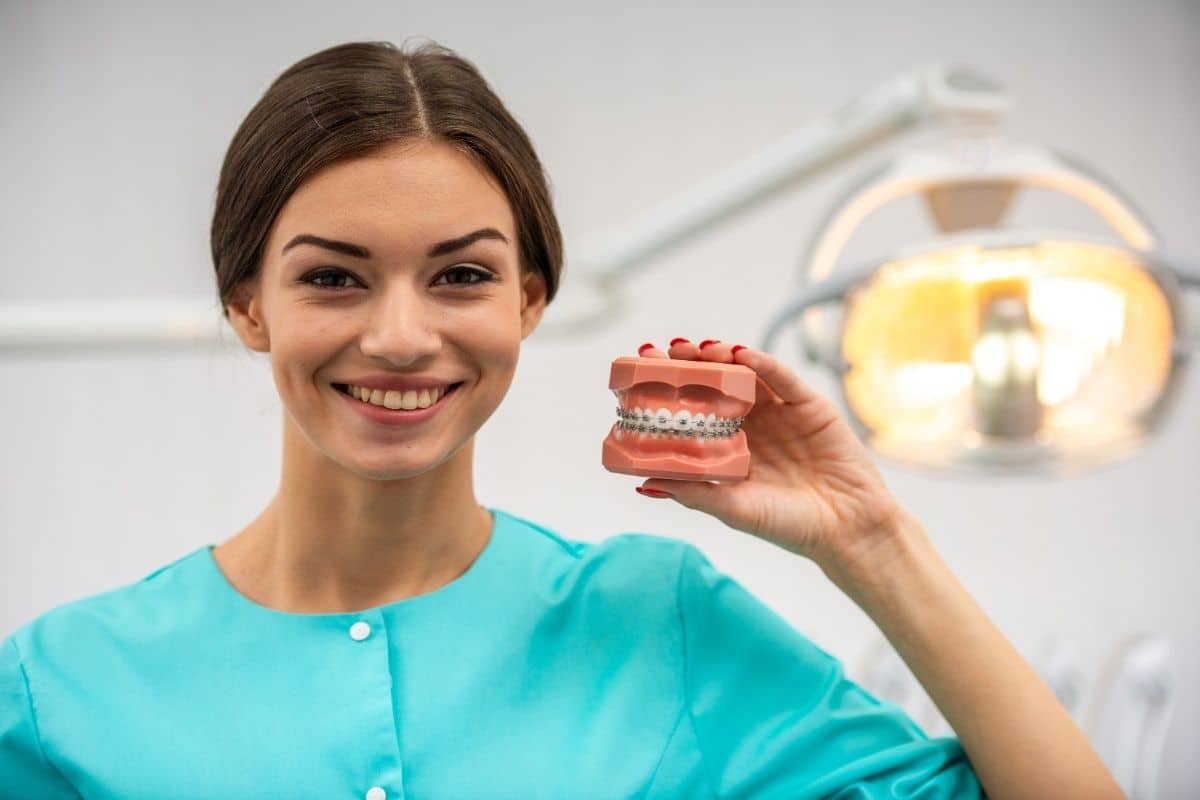
Dental Braces gradually reposition teeth using carefully controlled forces.
As the teeth move:
- The periodontal ligaments remodel.
- Jaw muscles adapt to changing bite relationships.
- Chewing patterns may temporarily change.
- Bite forces become redistributed.
These adjustments can occasionally cause:
- Mild jaw soreness
- Muscle fatigue
- Temporary stiffness
- A feeling of tightness around the jaw
These symptoms are generally considered a normal part of orthodontic treatment.
Orthodontic Treatment by the Numbers
Orthodontic care benefits millions of patients every year.
Here are several important facts:
- The American Association of Orthodontists (AAO) estimates that approximately 4 million people in the United States wear braces, with about 25% being adults.
- According to the National Institute of Dental and Craniofacial Research (NIDCR), temporomandibular joint (TMJ) disorders affect an estimated 5% to 12% of the U.S. population.
- Research published in the American Journal of Orthodontics and Dentofacial Orthopedics (AJODO) shows that mild discomfort is common during the first few days after braces are placed or adjusted.
- Studies have found that orthodontic discomfort typically peaks within 24 to 48 hours after an adjustment and gradually decreases over several days.
Common Causes of Jaw Tension During Braces Treatment
Several factors may contribute to jaw discomfort while wearing braces.
1. Orthodontic Adjustments
Following an adjustment, the wires begin applying new forces to your teeth.
This commonly produces temporary soreness that may also affect surrounding muscles.
Most discomfort improves within a few days.
2. Bite Changes
As your bite gradually changes throughout treatment, the muscles responsible for chewing must adapt.
Temporary muscle fatigue can occur during this adjustment period.
3. Teeth Clenching
Some patients unconsciously clench their teeth when they experience orthodontic soreness.
This additional muscle activity can increase jaw tension.
4. Existing TMJ Disorders
Patients with pre-existing temporomandibular joint disorders may notice jaw discomfort during orthodontic treatment.
However, current scientific evidence does not support the idea that braces routinely cause TMJ disorders in healthy individuals.
Is Ear Pain Normal After Braces Are Tightened?
Mild discomfort that radiates toward the ears may occur after orthodontic adjustments.
Symptoms often include:
- Jaw soreness
- Mild ear discomfort
- Tight chewing muscles
- Sensitivity while chewing
- Pressure around the jaw joint
These symptoms usually begin within several hours after an adjustment, peak during the first two days, and gradually improve.
If pain becomes severe, persists beyond several days, or is accompanied by fever, hearing changes, ear drainage, or swelling, you should contact both your orthodontist and your primary healthcare provider because the discomfort may be unrelated to your braces.
Signs Your Symptoms Are Likely Related to Braces
Your discomfort is more likely to be orthodontic if:
- It began shortly after an adjustment.
- It gradually improves each day.
- It is mild to moderate.
- It occurs while chewing.
- It affects both the teeth and jaw.
- It responds to recommended home care.
Temporary discomfort is common during tooth movement and usually resolves as your mouth adapts.
When Jaw Tension May Have Another Cause
Not all jaw pain during braces treatment is caused by orthodontics.
Other possible causes include:
- TMJ disorders
- Ear infections
- Sinus infections
- Wisdom teeth problems
- Teeth grinding (bruxism)
- Dental abscesses
- Muscle strain
- Arthritis affecting the jaw joint
A thorough evaluation helps determine the underlying cause and ensures you receive the appropriate treatment.
How to Relieve Jaw Tension and Ear Discomfort While Wearing Braces
The good news is that mild jaw soreness and muscle tension after braces adjustments usually improve within a few days. In the meantime, several simple strategies can help you stay comfortable while your teeth and bite adapt.
1. Choose Soft Foods for the First Few Days
After an orthodontic adjustment, your teeth may be more sensitive to chewing pressure.
Consider eating foods such as:
- Yogurt
- Mashed potatoes
- Oatmeal
- Smoothies
- Applesauce
- Scrambled eggs
- Soup
- Pasta
- Rice
- Soft-cooked vegetables
Avoid hard, crunchy, or sticky foods—including popcorn, hard candy, chewing ice, caramel, and nuts—as these can increase discomfort and may damage your braces.
2. Apply a Cold Compress
A cold pack applied to the outside of the jaw for 10–15 minutes at a time can help reduce inflammation and temporarily ease soreness during the first day or two after an adjustment.
Always wrap the ice pack in a towel rather than placing it directly on your skin.
3. Use Warm Compresses for Muscle Tightness
If your discomfort feels more like muscle tension than tooth soreness, a warm compress may help relax the jaw muscles after the initial inflammation has subsided.
Warm, moist heat applied for 15–20 minutes can improve comfort for some patients.
4. Perform Gentle Jaw Exercises
If your orthodontist recommends them, gentle jaw movements may reduce stiffness.
Examples include:
- Slowly opening and closing your mouth
- Relaxed side-to-side movements
- Gentle stretching without forcing the jaw
These exercises should never cause significant pain.
5. Stay Hydrated
Drinking enough water supports overall oral health and helps prevent dry mouth, which may contribute to oral discomfort.
Water is also the safest beverage for braces because it contains no sugar or acids that increase the risk of tooth decay.
6. Practice Excellent Oral Hygiene
Inflamed gums can make orthodontic discomfort feel worse.
Brush carefully around:
- Brackets
- Wires
- Gumline
Don’t forget to:
- Floss daily using orthodontic flossers or threaders.
- Use an interdental brush if recommended.
- Attend regular professional dental cleanings.
Healthy gums contribute to a more comfortable orthodontic experience.
Can Over-the-Counter Pain Relievers Help?
If needed, your orthodontist may recommend an over-the-counter pain reliever that is appropriate for you.
Always:
- Follow the dosage instructions on the label.
- Consult your healthcare provider if you have medical conditions or take prescription medications.
- Avoid taking medication longer than recommended without professional advice.
Many patients find they only need temporary pain relief during the first day or two after adjustments.
How Long Does Jaw Tension Last?
For most patients, discomfort follows a predictable pattern.
Typical timeline:
First 24 hours
- Teeth begin responding to orthodontic pressure.
- Mild soreness develops.
24–48 hours
- Discomfort often reaches its peak.
3–5 days
- Most soreness begins improving.
Within one week
- Most patients return to their usual comfort level.
Individual experiences vary depending on treatment stage, pain sensitivity, and the type of orthodontic adjustment performed.
Does Every Braces Adjustment Hurt?
Not necessarily.
Several factors influence discomfort, including:
- Amount of tooth movement
- Wire changes
- Individual pain tolerance
- Existing bite issues
- Muscle sensitivity
Some appointments cause very little soreness, while others may cause temporary tenderness for several days.
Common Myths About Braces, Ear Pain, and TMJ
Myth 1: Braces Cause TMJ Disorders
Fact: Current scientific evidence does not show that braces routinely cause temporomandibular joint disorders.
According to systematic reviews published in orthodontic literature, orthodontic treatment is not considered a direct cause of TMJ disorders in otherwise healthy patients.
Myth 2: Ear Pain Means Something Is Wrong With Your Braces
Fact: Mild ear discomfort may reflect referred pain from nearby jaw muscles and joints after orthodontic adjustments.
However, persistent or worsening pain should always be evaluated.
Myth 3: More Pain Means Faster Tooth Movement
Fact: The amount of discomfort you experience does not indicate how quickly your teeth are moving.
Successful orthodontic treatment depends on carefully controlled forces—not painful ones.
Myth 4: You Should Stop Wearing Elastics if Your Jaw Hurts
Fact: Do not discontinue rubber bands or other orthodontic appliances without your orthodontist’s instructions.
Stopping treatment prematurely may delay progress and affect bite correction.
When Should You Contact Your Orthodontist?
Although temporary soreness is expected, contact us, your trusted Boca Raton orthodontist, if you experience:
- Severe or worsening pain
- Difficulty opening or closing your mouth
- A broken bracket or wire causing injury
- Persistent jaw locking
- Swelling that increases instead of improving
- Pain lasting longer than a week without improvement
- Aligners or braces that appear damaged
If ear pain is accompanied by fever, drainage, hearing changes, or dizziness, contact your primary healthcare provider, as these symptoms may indicate an ear condition unrelated to orthodontic treatment.
Can Braces Improve Jaw Function?
In some patients, correcting bite problems can improve chewing efficiency and create a more balanced bite.
Orthodontic treatment may help distribute biting forces more evenly across the teeth.
However, braces are not considered a primary treatment for TMJ disorders. Patients with significant jaw joint problems may require evaluation by a dentist or specialist experienced in temporomandibular disorders.
The Importance of Following Your Treatment Plan
Consistently following your orthodontist’s instructions can make treatment smoother and more predictable.
Remember to:
- Attend adjustment appointments.
- Wear rubber bands exactly as directed.
- Maintain excellent oral hygiene.
- Protect your braces from damage.
- Report unusual symptoms promptly.
These habits not only support efficient tooth movement but also help minimize unnecessary discomfort throughout your orthodontic journey.
Conclusion
Mild jaw tension or ear discomfort during orthodontic treatment can be unsettling. Still, it is often a normal response as your teeth, jaw muscles, and bite gradually adapt to controlled tooth movement. Because the temporomandibular joints (TMJs) are located just in front of the ears, temporary muscle soreness or joint tension can sometimes feel like ear pain, especially after braces are first placed or adjusted.
Fortunately, these symptoms usually improve within a few days. Eating soft foods, maintaining excellent oral hygiene, using cold or warm compresses as appropriate, staying hydrated, and following your orthodontist’s instructions can all help reduce discomfort. Most importantly, continue attending your scheduled appointments so your orthodontist can monitor your progress and make any necessary adjustments.
While temporary soreness is common, persistent, severe, or worsening pain should never be ignored. Symptoms such as jaw locking, significant swelling, fever, hearing changes, or ear drainage may indicate a condition unrelated to braces. Your trusted Boca Raton orthodontist or healthcare provider should evaluate them promptly.
With patience, proper home care, and regular orthodontic follow-up, most patients complete treatment successfully and enjoy healthier bites, improved function, and more confident smiles.
Frequently Asked Questions
1. Can braces really cause ear pain?
Braces do not directly affect the ears, but they can contribute to temporary jaw muscle tension or TMJ discomfort that radiates toward the ears. This type of referred pain is usually mild and improves within a few days after an orthodontic adjustment.
2. How long does jaw soreness last after braces are tightened?
For most patients, discomfort begins within several hours of an adjustment, peaks during the first 24 to 48 hours, and improves over the next 3 to 7 days. The exact timeline varies by individual and by the type of adjustment performed.
3. Should I stop wearing rubber bands if my jaw hurts?
No. Continue wearing elastics exactly as prescribed unless your orthodontist instructs otherwise. Stopping their use without professional guidance can delay treatment and affect your bite correction.
4. How can I relieve jaw tension while wearing braces?
Helpful strategies include eating soft foods, applying cold compresses during the first 24–48 hours, using warm compresses afterward for muscle tightness, maintaining good oral hygiene, staying hydrated, and following your orthodontist’s instructions. If discomfort is significant or persistent, schedule an evaluation.
5. When should I contact my orthodontist?
Contact your orthodontist if you experience severe pain, jaw locking, broken braces, persistent swelling, difficulty opening your mouth, or symptoms that do not improve after several days. If ear pain is accompanied by fever, drainage, or hearing loss, seek medical evaluation because the problem may not be related to your orthodontic treatment.