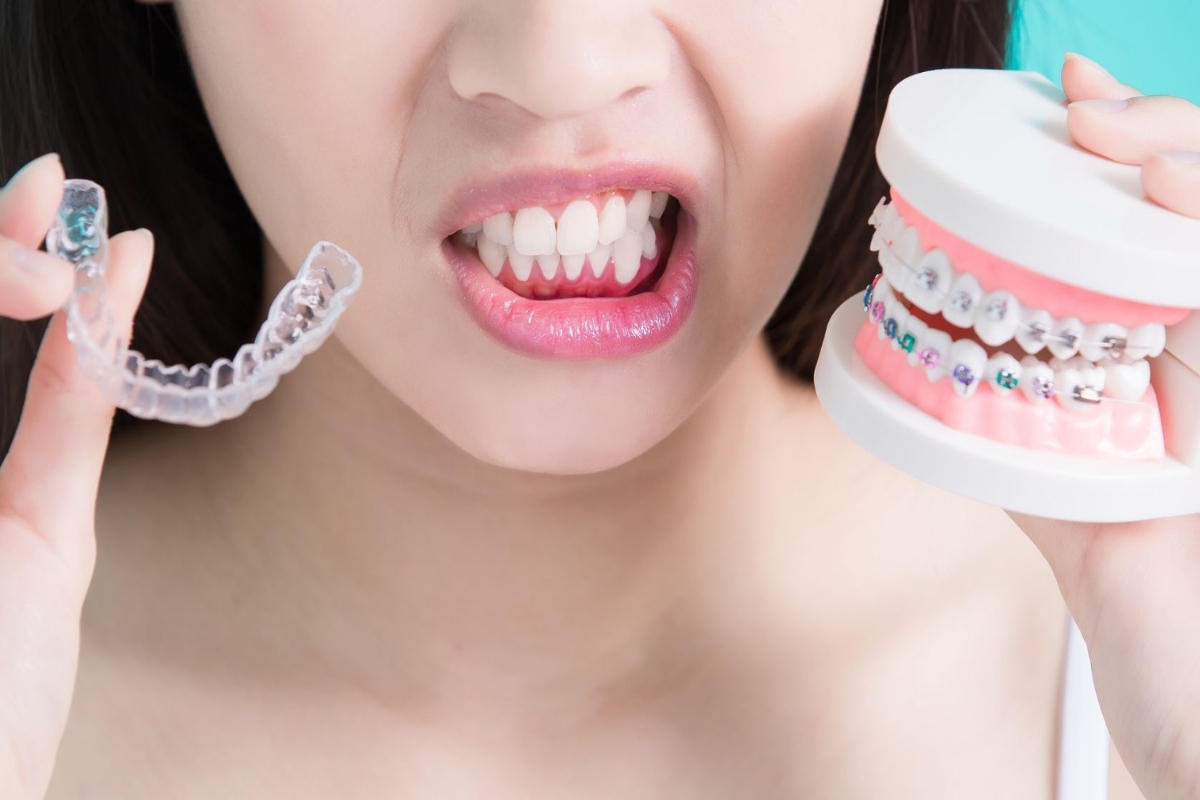




If you’re considering straightening your teeth, one question probably comes to mind before anything else:
“Will it hurt?”
Whether you’re exploring traditional braces or clear aligners, discomfort is often one of the biggest concerns for teens and adults alike. Many patients worry about sore teeth, difficulty eating, speech changes, and sleepless nights after starting treatment.
The truth is that both braces and clear aligners move teeth by applying controlled pressure, which means some level of discomfort is normal. However, the type, intensity, and duration of that discomfort can vary significantly between the two options.
Recent orthodontic studies suggest that patients wearing clear aligners often report less pain overall compared to those wearing traditional braces, particularly during the first few days of treatment. However, every patient’s experience is unique, and several factors can influence pain levels.
According to the American Association of Orthodontists (AAO), more than 4 million Americans wear braces, while clear aligners continue to grow in popularity among teens and adults seeking a more discreet treatment option. Understanding how each treatment feels can help you make a more informed decision.
In this guide, we’ll compare braces and clear aligners from a pain perspective, review scientific research, and explain what local orthodontists want patients to know before beginning treatment.
Why Orthodontic Treatment Causes Discomfort
Before comparing the two treatments, it’s important to understand why orthodontic discomfort happens.
Both braces and clear aligners work by applying gentle pressure to teeth. This pressure triggers biological changes in the bone and ligaments surrounding the teeth, allowing them to gradually move into proper alignment.
During this process:
- Teeth may feel tender
- Biting can become uncomfortable
- Gums may feel sensitive
- Soft tissues may become irritated
Research published in the Korean Journal of Orthodontics found that orthodontic discomfort typically begins within several hours of force application, peaks around 24 hours, and gradually decreases over the following week.
The good news is that orthodontic pain is generally temporary and manageable.
Understanding Traditional Braces
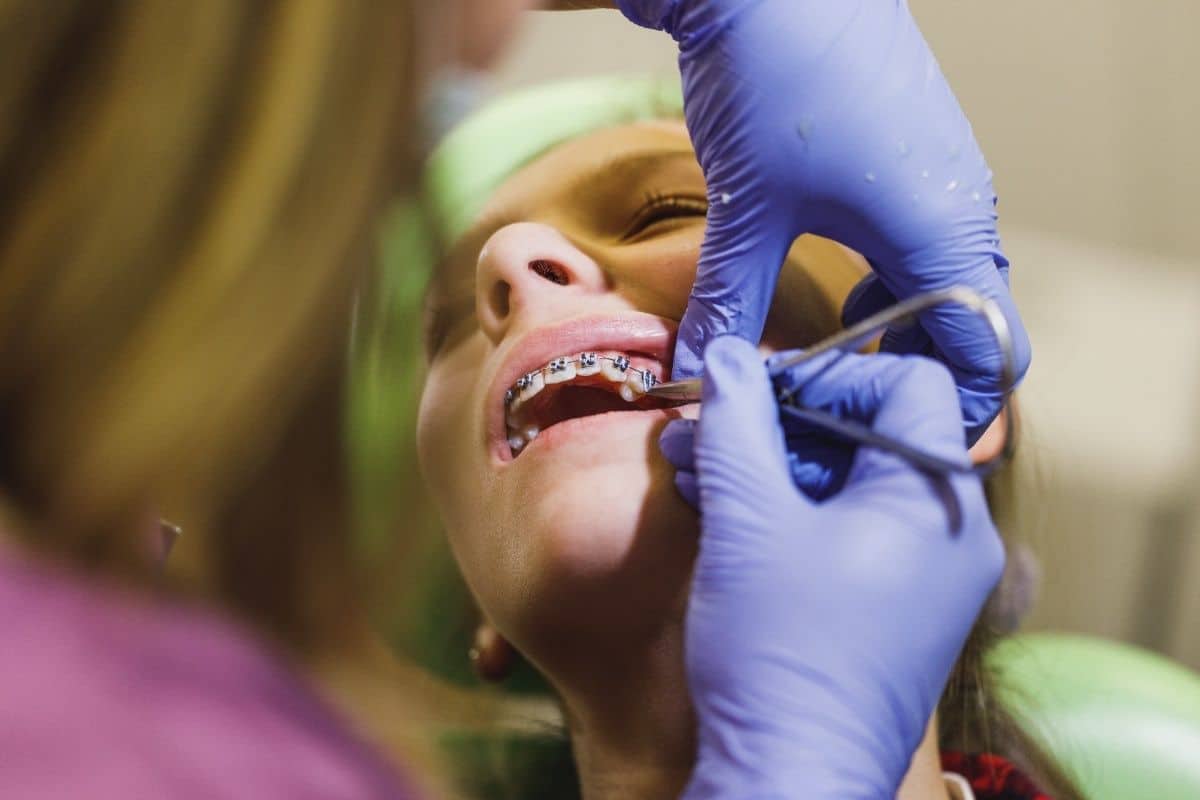
Traditional braces use:
- Metal brackets
- Archwires
- Elastic bands
- Periodic adjustments
Braces are highly effective for treating:
- Severe crowding
- Complex bite problems
- Rotated teeth
- Significant alignment issues
Because braces remain attached to the teeth throughout treatment, they apply continuous force 24 hours a day.
This constant force contributes to both their effectiveness and the discomfort some patients experience.
Understanding Clear Aligners
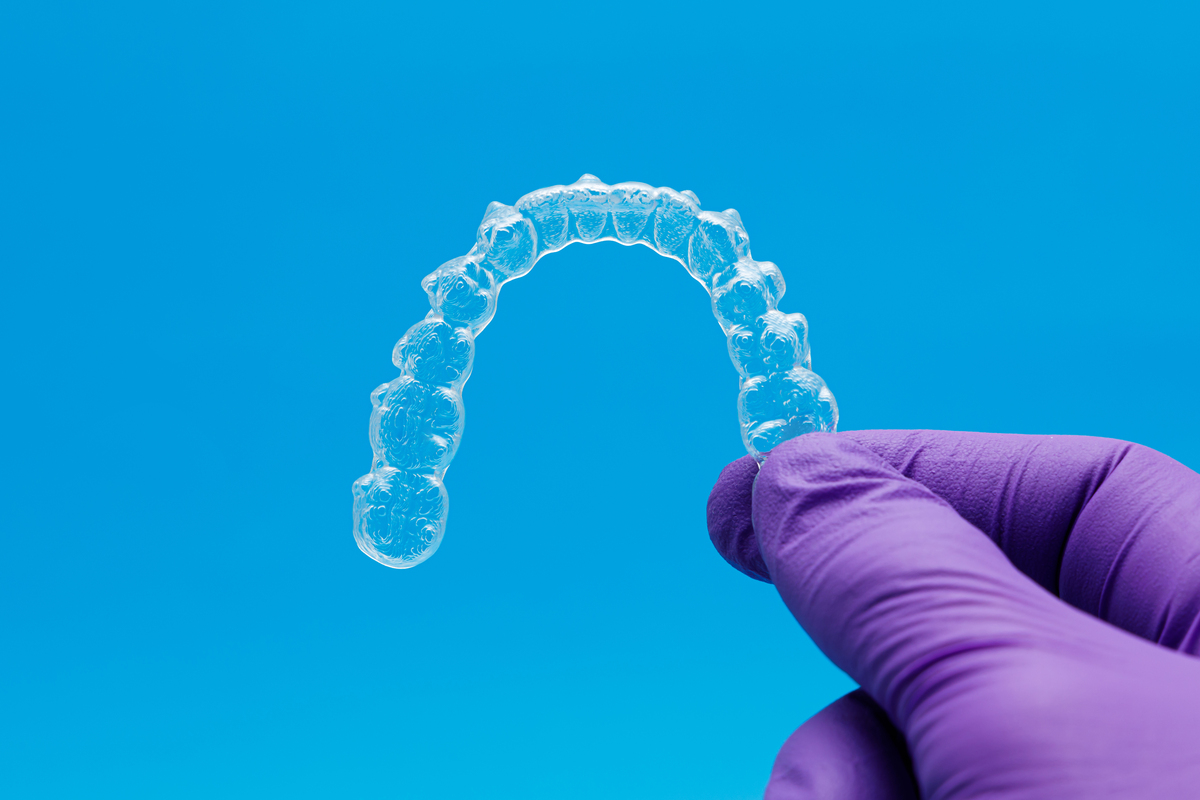
Clear aligners in Boca Raton use custom-made removable trays that fit snugly over the teeth.
Popular aligner systems gradually shift teeth through a series of trays, with patients typically changing to a new aligner every one to two weeks.
Benefits include:
- Nearly invisible appearance
- Removability
- Easier oral hygiene
- Fewer food restrictions
Unlike braces, aligners do not use metal brackets or wires, eliminating many soft tissue irritation issues.
Which Hurts More: What Does the Research Say?
Multiple clinical studies have compared pain levels between braces and clear aligners.
A systematic review published in Progress in Orthodontics found that clear aligner patients generally reported lower pain levels during treatment than those with fixed orthodontic appliances.
Researchers noted that aligner patients experienced:
- Less overall discomfort
- Fewer eating difficulties
- Reduced oral irritation
- Better quality-of-life scores
Another review involving orthodontic patients found that pain was significantly higher among traditional braces wearers during the first week after appliance placement.
Pain Timeline: Braces vs. Clear Aligners
Patients often ask whether one treatment hurts longer than the other.
Research shows both follow a similar pattern.
Traditional Braces
- Day 1: Pressure begins shortly after placement.
- Days 2–3: Pain typically peaks.
- Days 4–7: Discomfort gradually decreases.
- Monthly Adjustments: Temporary soreness often returns after tightening appointments.
Clear Aligners
- First 24 Hours: Mild pressure after inserting a new aligner.
- Days 2–3: Some tenderness may occur.
- Days 4–7: Most patients adapt quickly.
- New Tray Changes: Mild soreness may recur each time aligners are changed.
Although aligners apply consistent pressure throughout treatment, studies suggest the intensity is often lower than that experienced by patients with braces after adjustments.
Soft Tissue Irritation: A Major Difference
One of the biggest distinctions between braces and aligners involves the soft tissues inside the mouth.
Braces Can Cause:
- Lip irritation
- Cheek sores
- Tongue discomfort
- Wire pokes
- Bracket friction
According to clinical studies, oral ulcerations and cheek irritation are among the most common complaints during early braces treatment.
Orthodontic wax helps reduce these issues but does not eliminate them entirely.
Clear Aligners Typically Cause:
- Mild edge irritation
- Temporary tongue awareness
- Minor gum sensitivity
Because aligners are made of smooth plastic, they generally cause fewer soft-tissue injuries.
For many adults, this difference alone makes aligners more comfortable.
Which Treatment Hurts More When Eating?
Eating is often when patients notice discomfort most.
Research consistently shows that chewing discomfort increases during the first several days of orthodontic treatment.
Braces
Many patients report:
- Difficulty biting sandwiches
- Tender front teeth
- Pain while chewing meat
- Avoidance of crunchy foods
Some studies found that chewing discomfort was among the most frequently reported pain complaints during braces treatment.
Clear Aligners
Because aligners are removed during meals:
- No brackets interfere with chewing
- Patients can eat normally
- Fewer food restrictions exist
However, teeth may still feel tender when biting.
Overall, most studies conclude that eating is easier with aligners than with traditional braces.
What About Adults?
Adult orthodontic treatment continues to grow throughout the United States.
According to the American Association of Orthodontists (AAO), adults account for approximately one-third of orthodontic patients.
Many adult patients choose clear aligners because they:
- Are less noticeable
- Cause less social discomfort
- Often involves fewer emergency visits
- Generally, it produces less irritation
Adults with professional careers often appreciate the convenience and comfort that aligners provide.
However, adults with complex orthodontic problems may still benefit more from braces despite temporary discomfort.
Factors That Affect Orthodontic Pain
Pain levels vary widely between individuals.
Several factors can influence your experience:
- Age: Older patients often report slightly higher pain sensitivity than younger patients.
- Treatment Complexity: More severe tooth movement may create greater discomfort.
- Personal Pain Tolerance: Everyone processes pain differently.
- Stress Levels: Research suggests anxiety may increase perceived pain intensity.
- Compliance: Patients who frequently remove trays may experience repeated soreness when reinserting them.
Tips to Reduce Pain with Braces or Aligners
Regardless of which treatment you choose, these orthodontist-approved strategies can help.
Eat Soft Foods
Choose:
- Yogurt
- Soup
- Smoothies
- Mashed potatoes
- Scrambled eggs
- Use Cold Therapy: Cold compresses can reduce inflammation and temporarily numb sore tissues.
- Stay Hydrated: Water helps maintain oral comfort and reduce irritation.
- Follow Instructions Carefully: Wearing aligners as directed and attending adjustment appointments can minimize unnecessary discomfort.
- Use Orthodontic Wax: For patients with braces, wax can significantly reduce bracket-related irritation.
Are Braces Worth the Extra Discomfort?
For some patients, absolutely.
While dental braces in Boca Raton may cause more irritation and soreness, they remain one of the most effective orthodontic tools available.
Braces are often recommended for:
- Severe crowding
- Major bite corrections
- Impacted teeth
- Complex orthodontic cases
In these situations, temporary discomfort may be worthwhile to achieve optimal results.
Who Might Prefer Clear Aligners?
Clear aligners may be ideal for patients who:
- Want a discreet appearance
- Prefer fewer food restrictions
- Desire for easier oral hygiene
- Have mild to moderate alignment concerns
- Want less soft tissue irritation
Many patients find aligners more comfortable overall, particularly during daily activities and meals.
Conclusion
So, which hurts more: braces or clear aligners?
Current research consistently suggests that traditional braces generally cause more discomfort than clear aligners, especially during the first week of treatment and after adjustment appointments. Braces can create both tooth soreness and soft tissue irritation, while aligners primarily cause pressure-related discomfort.
That said, pain should not be the only factor when choosing orthodontic treatment. The best option depends on your smile goals, bite issues, lifestyle, and treatment complexity.
For patients with mild to moderate alignment concerns, clear aligners often provide a more comfortable experience. For individuals requiring significant orthodontic correction, braces may still be the most effective solution despite temporary discomfort.
The best way to determine which treatment is right for you is to schedule a consultation with a local orthodontist in Boca Raton who can evaluate your smile and recommend a personalized treatment plan.
Frequently Asked Questions
1. Do braces hurt more than clear aligners?
Most clinical studies show that braces typically cause more discomfort, especially during the first week and after adjustment appointments.
2. How long does braces pain last?
Pain generally peaks within 24 to 48 hours after placement or adjustment and improves significantly within one week.
3. Are clear aligners completely pain-free?
No. Clear aligners still apply pressure to move teeth and can cause temporary soreness when switching to a new tray.
4. Which treatment causes more mouth sores?
Traditional braces cause significantly more cheek and lip irritation because brackets and wires can rub against soft tissues.
5. Which option is best for severe orthodontic problems?
Braces are often more effective for complex bite issues, severe crowding, and extensive tooth movement.