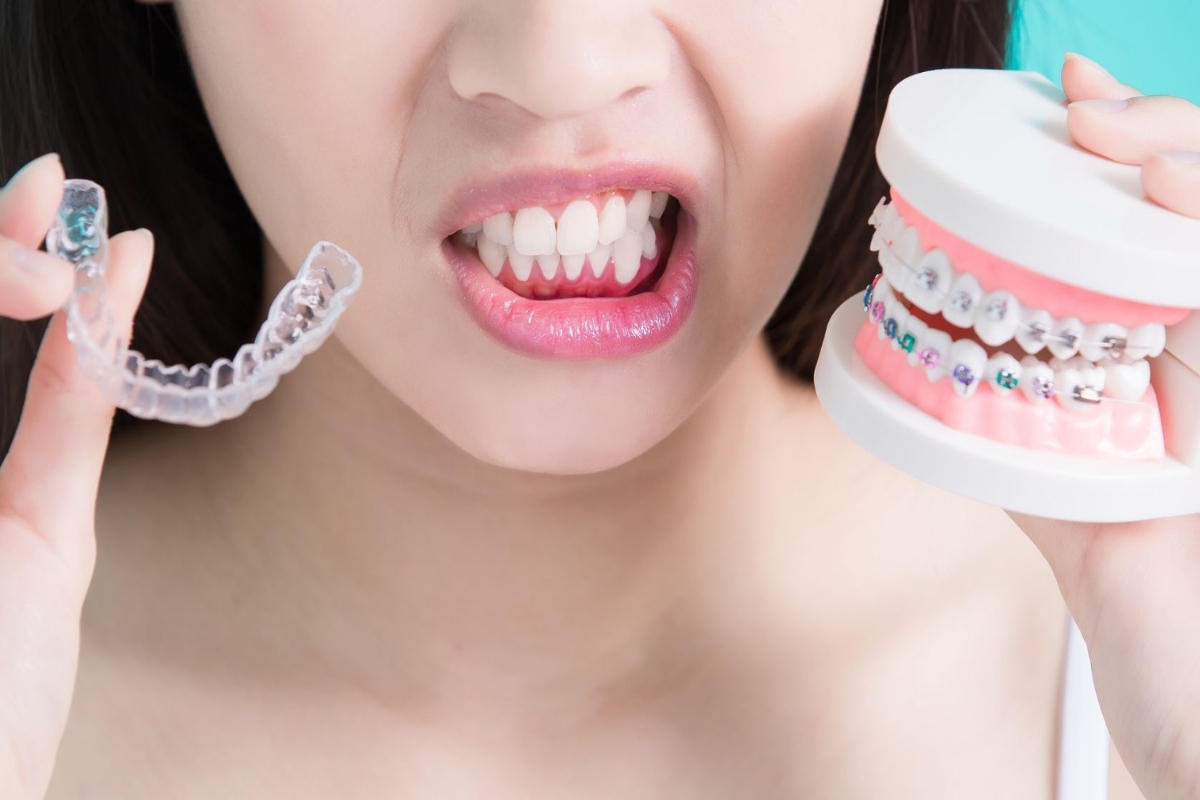




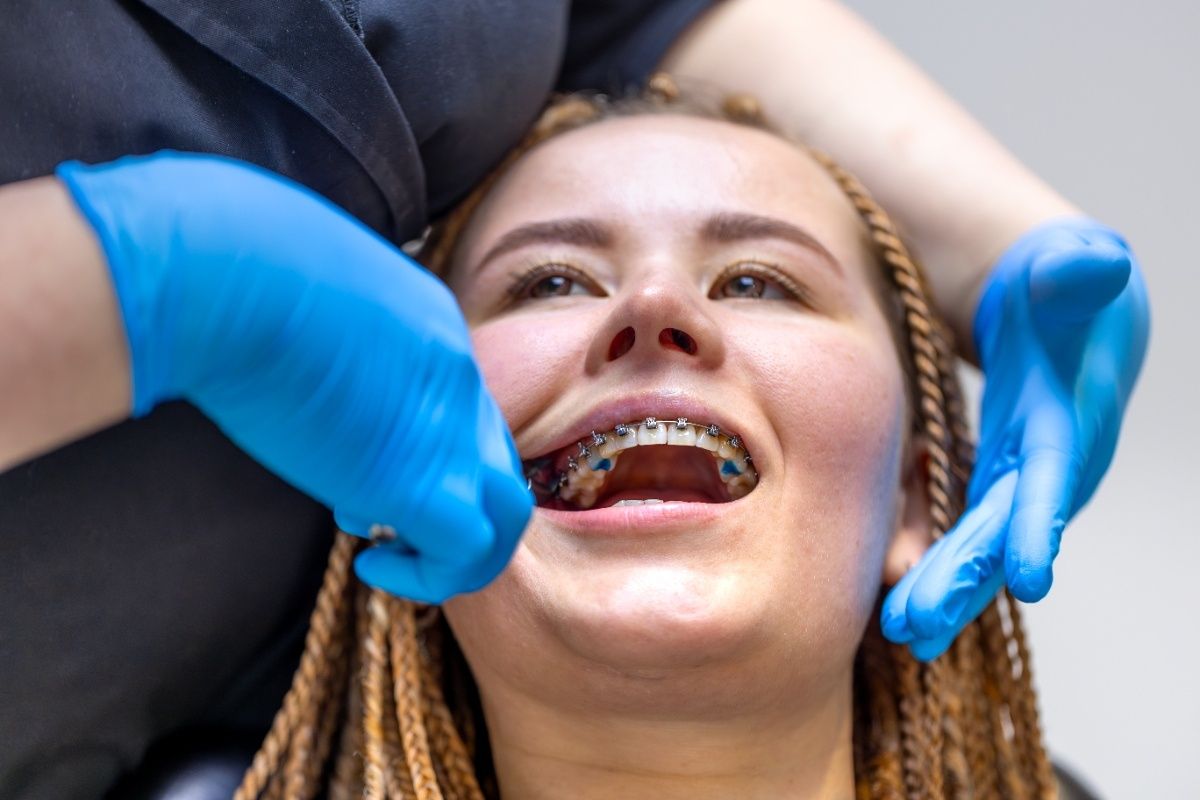
Have you recently gotten braces and found yourself staring at your favorite foods, wondering, “Can I even eat that anymore?” Or maybe you’ve just had your braces adjusted, and now every bite feels uncomfortable.
If so, you’re not alone.
Mild soreness and tenderness are common during orthodontic treatment, especially after braces are first placed or adjusted. While braces are working hard to move your teeth into healthier positions, the pressure they create can temporarily make chewing uncomfortable.
The good news? You don’t have to skip meals or suffer through the discomfort. Choosing the right foods can make eating easier, reduce irritation, and help you stay nourished while your mouth adjusts.
According to the American Association of Orthodontists (AAO), millions of Americans undergo orthodontic treatment every year, and temporary discomfort is one of the most frequently reported concerns during the first few days after braces placement and adjustment appointments. Research published in orthodontic journals suggests that most patients experience peak soreness within the first 24 to 48 hours after an adjustment, with symptoms gradually improving over the following several days.
In this orthodontist-approved guide, we’ll cover the best foods to eat when your braces hurt, which foods to avoid, how nutrition can support oral health during treatment, and practical tips for managing discomfort while maintaining your progress toward a straighter smile.
Why Do Braces Hurt?
Before discussing the best foods, it’s important to understand why braces sometimes cause discomfort.
Dental Braces in Boca Raton work by applying gentle, continuous pressure to move teeth through the jawbone.
This process triggers biological changes that allow teeth to shift into their new positions.
Common times when soreness occurs include:
- The first week after getting braces
- After wire adjustments
- Following elastic changes
- When new appliances are added
- After switching aligners in some orthodontic treatments
Research published in the European Journal of Orthodontics found that discomfort typically peaks between 24 and 48 hours after adjustment and gradually declines within approximately one week.
While temporary soreness is normal, selecting softer foods can significantly improve comfort during this period.
Why Food Choices Matter During Orthodontic Treatment
Eating the wrong foods while your braces hurt can:
- Increase tooth sensitivity
- Irritate sore teeth
- Damage brackets
- Bend wires
- Prolong discomfort
Choosing softer foods can:
- Reduce chewing pressure
- Minimize irritation
- Provide essential nutrients
- Support healing
- Help maintain treatment progress
The key is finding foods that are both comfortable to eat and nutritionally balanced.
The Best Foods To Eat When Your Braces Hurt
1. Yogurt
Yogurt is often one of the first foods orthodontists recommend after braces placement.
Benefits include:
- Soft texture
- Easy chewing
- High protein content
- Calcium for strong teeth and bones
According to the U.S. Department of Agriculture (USDA), dairy products remain an important source of calcium and vitamin D for many Americans.
Choose low-sugar varieties whenever possible.
2. Smoothies
Smoothies provide nutrition without requiring extensive chewing.
Good ingredients include:
- Bananas
- Berries
- Greek yogurt
- Spinach
- Protein powder
- Milk
Smoothies can help patients maintain calorie intake when chewing feels uncomfortable.
Avoid using hard mix-ins such as nuts or seeds immediately after adjustments.
3. Mashed Potatoes
Mashed potatoes are a classic comfort food for patients with braces.
Why they’re helpful:
- Soft consistency
- Minimal chewing required
- Easy to swallow
- Can be customized with healthy toppings
They are especially useful during the first few days after adjustments.
4. Scrambled Eggs
Eggs are rich in:
- Protein
- Vitamin D
- B vitamins
- Essential minerals
Scrambled eggs are soft, filling, and easy to chew.
The American Heart Association recognizes eggs as a nutrient-rich food that can fit into a healthy eating pattern.
5. Oatmeal
Warm oatmeal provides:
- Fiber
- Complex carbohydrates
- Long-lasting energy
Its soft texture makes it ideal for sensitive teeth.
For added nutrition, consider adding:
- Bananas
- Blueberries
- Cinnamon
Avoid crunchy granola toppings during periods of soreness.
6. Soup
Soup is one of the easiest meals to eat when braces hurt.
Excellent choices include:
- Chicken noodle soup
- Tomato soup
- Vegetable soup
- Lentil soup
- Broccoli cheddar soup
Soups provide hydration and important nutrients while requiring very little chewing.
Allow soup to cool slightly before eating, as very hot foods may increase sensitivity.
7. Pasta
Soft-cooked pasta is another braces-friendly option.
Good choices include:
- Macaroni and cheese
- Spaghetti
- Penne
- Ravioli
- Lasagna
Cook the pasta until tender, avoiding overly chewy varieties.
8. Applesauce
Fresh apples are generally difficult to bite into when you have sore braces.
Applesauce provides many of the same benefits without requiring chewing.
Benefits include:
- Easy consumption
- Natural sweetness
- Hydration
- Vitamin C
Choose unsweetened versions when possible.
9. Bananas
Bananas are among the most orthodontic-friendly fruits available.
Advantages include:
- Soft texture
- Natural energy source
- Potassium content
- Easy digestion
They require very little chewing and rarely irritate sore teeth.
10. Cottage Cheese
Cottage cheese offers:
- Protein
- Calcium
- Phosphorus
These nutrients help support oral health during orthodontic treatment.
Its soft texture makes it an excellent snack option.
11. Avocados
Avocados are soft, nutritious, and easy to eat.
They contain:
- Healthy fats
- Fiber
- Potassium
- Folate
Mashed avocado can be spread on soft bread or eaten on its own.
12. Soft Fish
Fish varieties such as:
- Salmon
- Cod
- Tilapia
are excellent protein sources that require minimal chewing.
The American Heart Association recommends consuming fish regularly as part of a healthy diet.
13. Soft-Cooked Vegetables
Vegetables remain important during orthodontic treatment.
Good choices include:
- Steamed carrots
- Cooked zucchini
- Sweet potatoes
- Squash
- Green beans
Cooking vegetables softens them and reduces chewing effort.
14. Rice and Quinoa
Soft grains provide:
- Energy
- Fiber
- Nutrients
When cooked properly, they are easy on sore teeth.
15. Pancakes and Soft Breakfast Foods
Soft breakfast options include:
- Pancakes
- Waffles
- French toast
- Muffins
Choose softer versions and avoid hard or crunchy toppings.
Foods To Avoid When Your Braces Hurt
Certain foods can worsen discomfort and increase the risk of damage.
Avoid:
Hard Foods
Examples include:
- Ice
- Hard candy
- Nuts
- Pretzels
These foods place excessive force on braces.
Crunchy Foods
Examples include:
- Popcorn
- Tortilla chips
- Crackers
- Raw carrots
Crunchy foods may irritate sore teeth and damage brackets.
Sticky Foods
Examples include:
- Caramel
- Taffy
- Chewing gum
Sticky foods can pull on wires and brackets.
Tough Meats
Examples include:
- Steak
- Beef jerky
- Pork chops
These foods require significant chewing effort.
Hydration Matters Too
Staying hydrated can improve comfort during orthodontic treatment.
Water helps:
- Wash away food particles
- Support oral health
- Reduce dry mouth
- Maintain healthy tissues
The National Academies of Sciences recommends adequate daily fluid intake for overall health and wellness.
Water remains the best beverage choice for patients with braces.
Nutrition and Orthodontic Treatment
A balanced diet helps support:
- Gum health
- Bone remodeling
- Tissue repair
- Overall treatment success
Important nutrients include:
Calcium
Found in:
- Dairy products
- Fortified beverages
Vitamin D
Supports calcium absorption.
Protein
Essential for tissue maintenance.
Vitamin C
Supports healthy gums and connective tissues.
According to the National Institutes of Health (NIH), adequate nutrition contributes significantly to oral and systemic health.
Tips for Reducing Braces Pain While Eating
- Eat Smaller Bites: Smaller pieces reduce chewing effort.
- Chew Slowly: Taking your time minimizes pressure on sore teeth.
- Use Orthodontic Wax: Wax can reduce irritation from brackets and wires.
- Rinse With Warm Salt Water: The AAO commonly recommends warm saltwater rinses to soothe irritated tissues.
- Follow Your Orthodontist’s Instructions: Every treatment plan is unique, and your orthodontist may provide specific dietary recommendations.
How Long Does Braces Pain Usually Last?
Most discomfort is temporary.
Research indicates that:
- Soreness often begins within several hours
- Peaks around 24–48 hours
- Improves significantly within 3–7 days
If severe pain persists longer than expected, contact your trusted orthodontist in Boca Raton for evaluation.
When Should You Call Your Orthodontist?
Seek professional guidance if you experience:
- Severe pain
- Broken brackets
- Loose wires
- Difficulty eating for extended periods
- Significant swelling
- Mouth sores that do not improve
Prompt attention can help prevent treatment delays.
Conclusion
Experiencing soreness after getting braces or following an adjustment is completely normal. The good news is that choosing the right foods can significantly improve your comfort while supporting your orthodontic treatment. Soft foods such as yogurt, smoothies, scrambled eggs, mashed potatoes, soup, pasta, bananas, and cooked vegetables provide valuable nutrition without placing excessive pressure on sensitive teeth.
Avoiding hard, crunchy, sticky, and chewy foods during periods of discomfort can help prevent damage to your braces and reduce irritation. Combined with proper oral hygiene, hydration, and regular orthodontic visits, a braces-friendly diet can make your treatment journey much more comfortable.
Remember, the temporary discomfort associated with braces is a sign that your teeth are moving toward a healthier, more aligned smile. By making smart food choices, you can stay comfortable while keeping your treatment on track.
Frequently Asked Questions
1. What are the best foods to eat right after getting braces?
Soft foods such as yogurt, mashed potatoes, smoothies, soup, scrambled eggs, and applesauce are excellent choices.
2. How long will my teeth hurt after braces are adjusted?
Most patients experience soreness for three to seven days, with peak discomfort occurring within the first 24 to 48 hours.
3. Can I eat pizza when my braces hurt?
Soft pizza may be manageable, but avoid hard crusts that require excessive chewing.
4. Are smoothies safe for braces?
Yes. Smoothies are one of the easiest and most nutritious options during periods of braces discomfort.
5. What foods should I completely avoid with braces?
Avoid hard candy, popcorn, ice, nuts, chewing gum, caramel, and other sticky or crunchy foods that may damage brackets and wires.