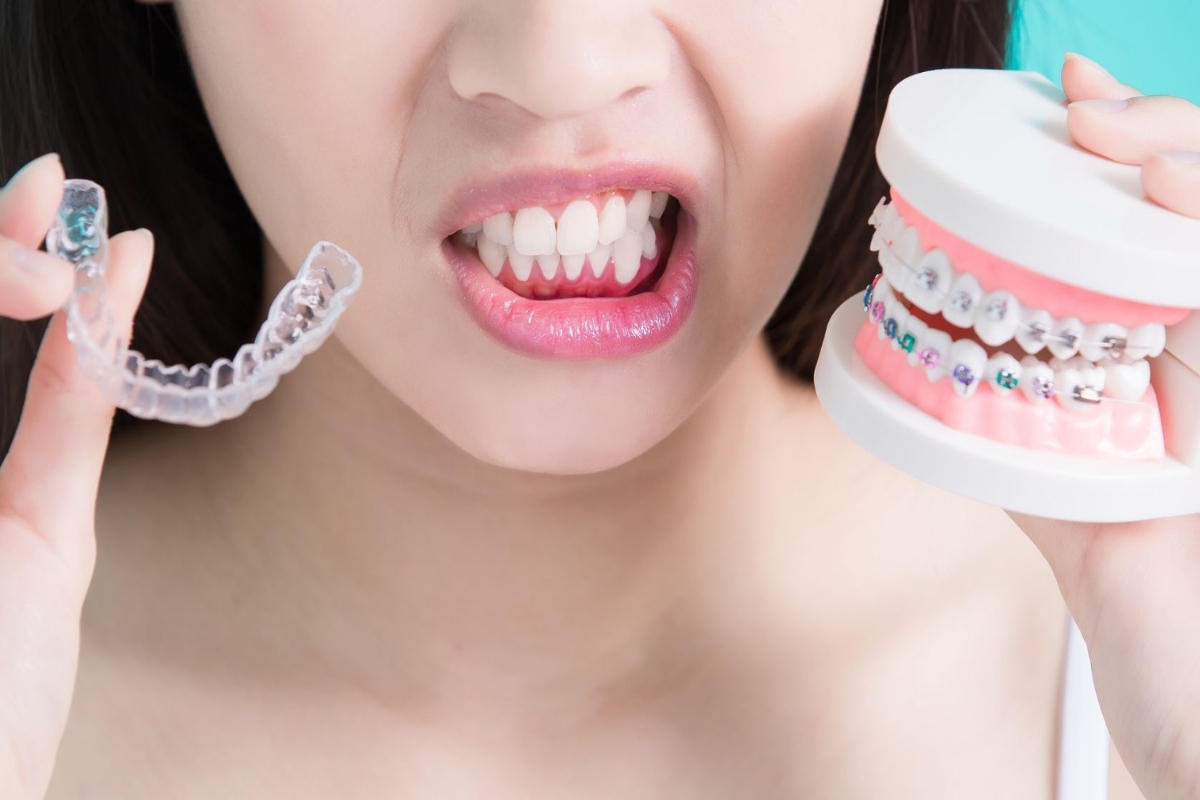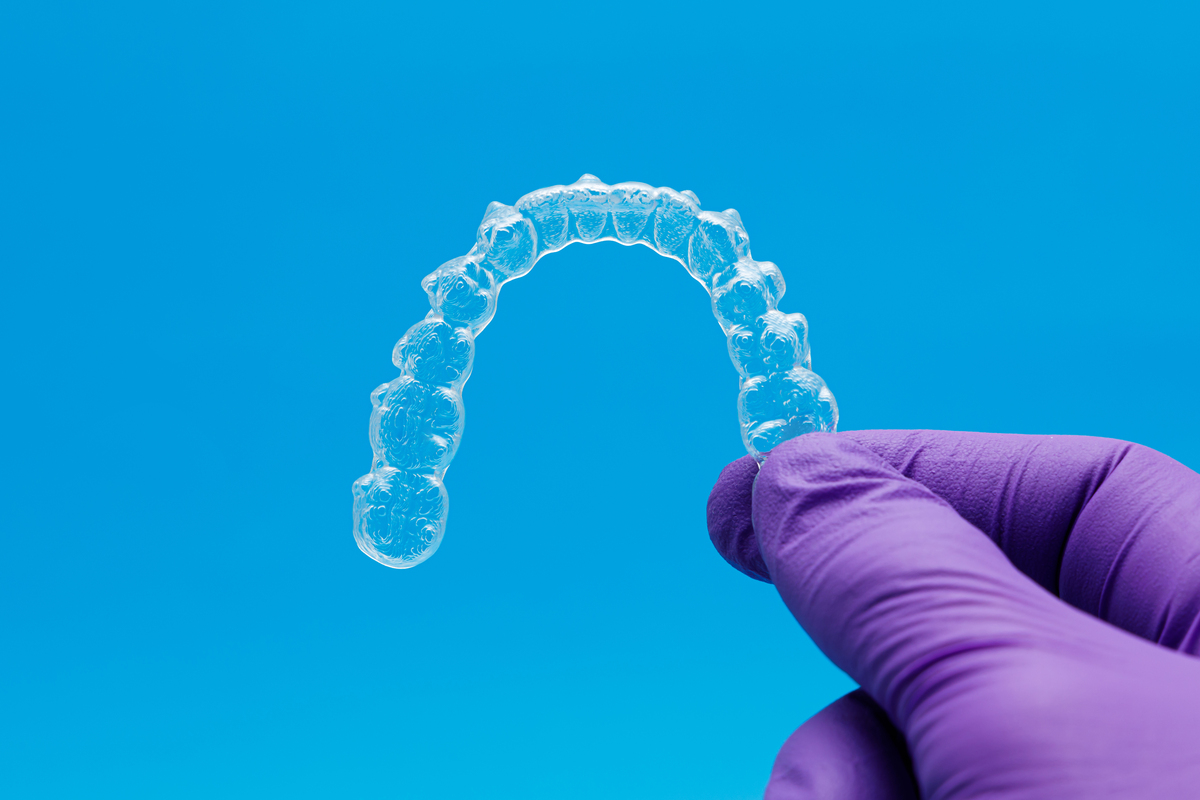




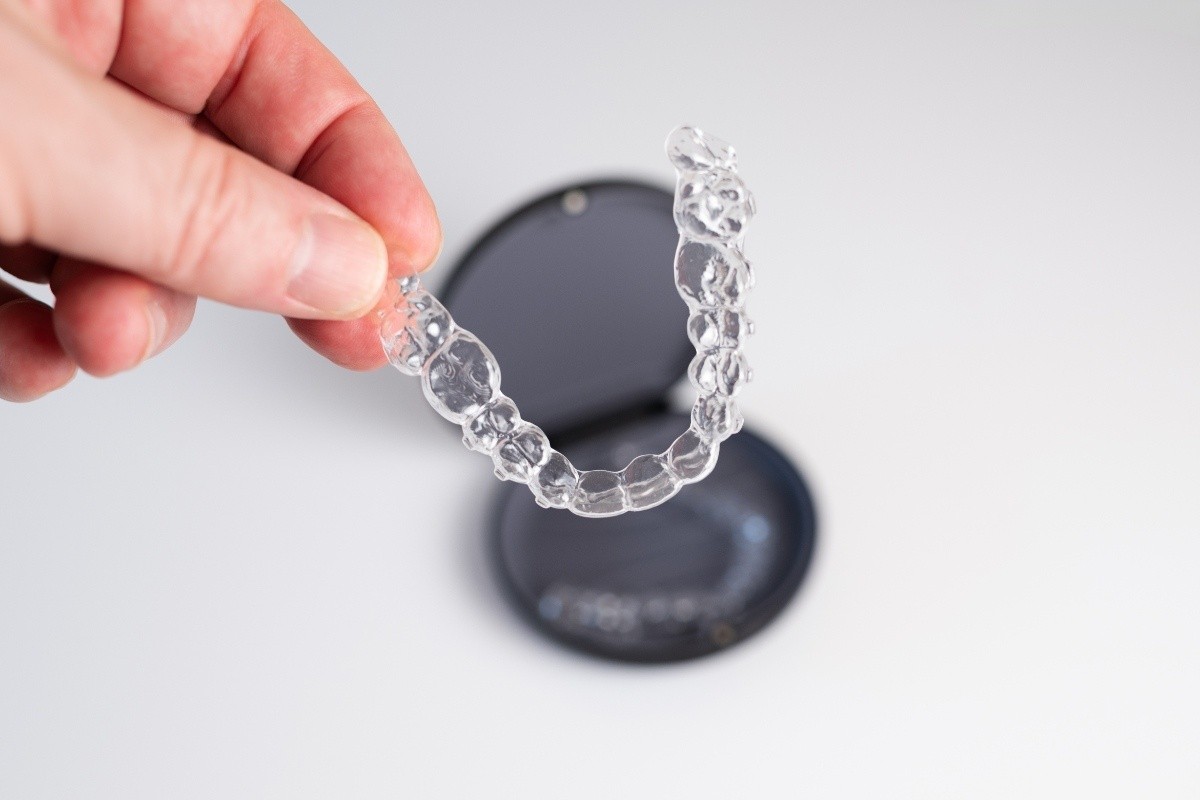
If you are thinking about straightening your smile with Invisalign clear aligners, you have probably asked yourself one very common question: “Does Invisalign hurt?”
The short answer is yes — but usually not in the way most people fear.
Invisalign clear aligners are designed to move teeth gradually and gently, which means some pressure and temporary soreness are completely normal. However, most patients describe Invisalign discomfort as mild and manageable compared to traditional metal braces.
For many teens and adults across the United States, Invisalign has become one of the most popular orthodontic treatment options because it offers a more discreet and comfortable way to straighten teeth. According to the American Association of Orthodontists, nearly 4 million Americans are currently receiving orthodontic treatment, and clear aligners continue to grow in popularity every year.
Still, patients often worry about whether Invisalign will damage their teeth, cause severe pain, or create long-term sensitivity. Understanding how Invisalign works — and why mild discomfort happens — can help you feel more confident before beginning treatment.
Why Invisalign Causes Tooth Pressure
Teeth do not move instantly. Orthodontic treatment works by slowly remodeling the bone and ligaments surrounding the teeth.
When Invisalign aligners apply gentle force:
- Bone tissue breaks down in targeted areas
- New bone forms around shifting teeth
- Teeth gradually move into alignment
This biological process naturally creates temporary pressure and soreness.
Research published in orthodontic studies shows that mild discomfort is common during orthodontic tooth movement and usually peaks during the first few days after force application.
In other words, some soreness is actually a sign that the aligners are working properly.
Does Invisalign Hurt More Than Traditional Braces?
Most patients report that Invisalign is generally more comfortable than metal braces.
Reasons Invisalign Often Feels More Comfortable
- No metal wires poking cheeks
- No sharp brackets
- Smooth plastic aligners
- Gradual force application
- Fewer emergency adjustments
A clinical study comparing clear aligners and fixed braces found that patients with aligners often experienced lower levels of oral discomfort and irritation.
However, every patient experiences orthodontic treatment differently.
Factors that influence discomfort include:
- Severity of tooth movement
- Crowding
- Bite complexity
- Pain tolerance
- Compliance with aligner wear
What Does Invisalign Pain Feel Like?
Most patients do not describe Invisalign as “painful” in a severe sense.
Instead, the sensation is usually described as:
- Pressure
- Tightness
- Tooth tenderness
- Mild soreness while chewing
- Sensitivity after changing trays
Some patients compare it to muscle soreness after exercising.
The discomfort is usually temporary and improves as the teeth adapt.
When Is Invisalign Discomfort Usually Worst?
1. The First Few Days of Treatment
The beginning of Invisalign treatment is often the most noticeable because teeth are experiencing orthodontic pressure for the first time.
Patients may notice:
- Tightness
- Mild headaches
- Tender teeth
- Difficulty chewing harder foods
2. Switching to a New Aligner Tray
Each new aligner tray continues the tooth-movement process.
Mild soreness for 1–3 days after changing trays is very common.
3. Attachment Placement
Some Invisalign patients require small, tooth-colored attachments to be bonded to their teeth.
These attachments help guide complex movements but may temporarily increase pressure or sensitivity.
4. Bite Correction Stages
Patients correcting overbites, underbites, or crossbites may experience additional jaw pressure as the bite shifts.
Can Invisalign Damage Teeth?
When supervised properly by a licensed orthodontist or dentist, Invisalign is considered very safe.
The American Dental Association recognizes clear aligner therapy as an effective orthodontic treatment option for many patients.
However, problems may occur if treatment is poorly managed or if patients fail to follow instructions.
Potential issues may include:
- Tooth sensitivity
- Gum irritation
- Minor root shortening in rare cases
- Cavities from poor oral hygiene
- Bite changes if aligners are not worn properly
These complications are uncommon when treatment is monitored professionally.
Does Invisalign Cause Tooth Sensitivity?
Some temporary sensitivity is common, especially when:
- Starting treatment
- Switching trays
- Eating hard foods
- Drinking very cold beverages
This sensitivity occurs because the ligaments surrounding the teeth are adjusting to movement.
The sensitivity usually decreases within several days.
If severe or prolonged pain occurs, patients should contact their orthodontist.
Can Invisalign Cause Loose Teeth?
Many patients become concerned when teeth feel slightly loose during treatment.
Surprisingly, this is a normal part of orthodontic tooth movement.
Teeth loosen slightly as the supporting bone remodels around them.
Once treatment finishes and teeth stabilize in their new positions, the looseness resolves.
Orthodontists carefully control movement to keep teeth healthy throughout the process.
Does Invisalign Hurt More With Crowded Teeth?
Patients with crowded teeth may experience more pressure initially because:
- Teeth require larger movements
- Rotations may be necessary
- Space must be created gradually
Severe crowding can increase:
- Tightness
- Chewing sensitivity
- Temporary soreness
However, most patients adjust as treatment progresses.
Research shows that orthodontic discomfort tends to decrease significantly after the early phases of treatment.
Invisalign and Bite Problems
Correcting bite problems often requires more complex tooth movement.
Conditions treated may include:
- Overbite
- Underbite
- Crossbite
- Open bite
Patients with bite corrections sometimes notice:
- Jaw soreness
- Bite pressure
- Temporary speech changes
- Mild chewing discomfort
These symptoms are usually temporary and improve as alignment progresses.
How Long Does Invisalign Pain Last?
For most patients:
- Mild discomfort lasts 2–5 days after new trays
- Pressure decreases as teeth adapt
- Later aligners often feel easier than the first few trays
Some patients barely notice discomfort after the adjustment period.
Severe pain is not typical and should be evaluated by a professional.
Tips To Reduce Invisalign Discomfort
There are several ways to make Invisalign treatment more comfortable.
Wear Aligners Consistently
Removing aligners too often can worsen soreness when reinserting them.
Orthodontists usually recommend:
- 20–22 hours of daily wear
Switch Trays Before Bed
Changing trays at night allows patients to sleep through the initial pressure phase.
Use Cold Water
Cold water may soothe inflamed tissues and reduce soreness.
Eat Softer Foods Temporarily
Tender teeth may feel better with foods such as:
- Yogurt
- Soup
- Eggs
- Pasta
- Smoothies
Maintain Excellent Oral Hygiene
Healthy gums reduce inflammation and discomfort during treatment.
Brush and floss regularly to prevent irritation and plaque buildup.
Use Orthodontic Chewies
Chewies help seat aligners properly and may reduce pressure points.
Can Invisalign Hurt the Gums or Cheeks?
Unlike metal braces, Invisalign usually causes minimal soft tissue irritation.
However, some patients may notice:
- Minor gum tenderness
- Mild cheek irritation
- Temporary tongue discomfort
These issues often improve quickly as the mouth adapts.
If aligners have rough edges, orthodontists can smooth them for added comfort.
Invisalign Pain vs. Orthodontic Progress
Many patients worry when they feel pressure because they assume something is wrong.
In reality, controlled pressure is necessary for teeth to move safely.
The key difference is:
Normal Invisalign Discomfort
- Mild pressure
- Temporary soreness
- Tenderness while chewing
- Symptoms improve within days
Abnormal Symptoms
- Severe sharp pain
- Bleeding gums
- Cracked aligners
- Persistent swelling
- Extreme bite problems
Patients experiencing severe symptoms should contact their provider promptly.
The Psychological Benefits Often Outweigh Temporary Discomfort
For many patients, Invisalign provides benefits that extend far beyond cosmetic appearance.
Straighter teeth may improve:
- Self-confidence
- Oral hygiene
- Speech
- Chewing function
- Long-term dental health
The National Institute of Dental and Craniofacial Research identifies malocclusion as one of the most common oral health concerns in the United States.
Correcting alignment problems may reduce future oral health complications.
Choosing the Right Invisalign Provider Matters
A skilled orthodontist or Invisalign provider in Boca Raton can significantly improve both comfort and treatment success.
Look for a provider experienced in:
- Complex tooth movement
- Bite correction
- Digital treatment planning
- Long-term retention strategies
Customized treatment planning helps reduce unnecessary discomfort while improving results.
Conclusion
So, do Invisalign clear aligners hurt your teeth?
For most patients, Invisalign causes mild temporary pressure rather than severe pain. The discomfort is a normal part of orthodontic tooth movement and usually improves within a few days after starting treatment or switching aligners.
Compared to traditional braces, Invisalign is often considered more comfortable because it uses smooth plastic trays instead of wires and brackets. While patients with crowded teeth or bite problems may experience stronger pressure during certain stages, the soreness is generally manageable and temporary.
Most importantly, Invisalign is designed to improve oral health, bite function, and smile confidence safely when supervised by a qualified dental professional. For many teens and adults across the United States, the long-term benefits of straighter teeth far outweigh the short-term discomfort.
Frequently Asked Questions
1. Does Invisalign hurt more than braces?
Most patients report that Invisalign is more comfortable than traditional braces because there are no metal brackets or wires to irritate the mouth.
2. How long does Invisalign soreness last?
Mild soreness usually lasts between 2 to 5 days after starting treatment or switching to a new aligner tray.
3. Can Invisalign damage my teeth?
When supervised properly by a dental professional, Invisalign is considered safe and effective for orthodontic treatment.
4. Why do my teeth feel loose with Invisalign?
Slight tooth looseness is normal during orthodontic movement because the surrounding bone is remodeling as teeth shift positions.
5. What helps reduce Invisalign discomfort?
Consistent aligner wear, switching trays at night, temporarily eating soft foods, and maintaining excellent oral hygiene may help reduce soreness during treatment.