



Getting dental braces is an exciting step toward a healthier and straighter smile. But let’s be honest—many patients worry about one thing before starting orthodontic treatment: “How much will braces hurt?”
If you or your child recently got braces, you are not alone in experiencing some soreness or discomfort. Mild pain is a normal part of orthodontic treatment because braces gradually move teeth into healthier positions. The good news is that discomfort from braces is usually temporary and manageable with the right care.
Across the United States, orthodontic treatment continues to grow in popularity among both teens and adults. According to the American Association of Orthodontists, nearly 4 million Americans currently wear braces or other orthodontic appliances. Many of these patients experience temporary discomfort during the adjustment process.
Understanding why braces cause soreness—and learning simple ways to reduce it—can make orthodontic treatment much easier and less stressful.
Why Do Dental Braces Cause Pain?
Dental braces work by applying gentle pressure to teeth over time. This pressure gradually shifts teeth into proper alignment.
As braces move teeth, the surrounding:
- Bone
- Ligaments
- Gum tissue
must adapt to the new tooth positions.
This natural remodeling process may create:
- Tooth soreness
- Pressure
- Mild jaw discomfort
- Gum sensitivity
Orthodontic discomfort is actually a sign that the braces are working properly.
Research published in orthodontic journals shows that discomfort usually peaks within the first 24–48 hours after braces are placed or adjusted. Symptoms often improve significantly within several days.
How Common Is Braces Pain?
Braces discomfort is extremely common.
Studies suggest that the majority of orthodontic patients experience some degree of soreness during treatment, especially after:
- Initial placement
- Tightening appointments
- Wire adjustments
- Elastic band changes
The good news is that severe pain is uncommon, and most patients adapt quickly as their mouths become accustomed to the pressure of orthodontic treatment.
What Does Braces Pain Feel Like?
Patients describe braces discomfort in several ways, including:
- Pressure on teeth
- Soreness while chewing
- Tender gums
- Tightness in the jaw
- Mild headaches
- Irritation inside the cheeks or lips
The discomfort is usually temporary and manageable.
Most patients notice that each adjustment becomes easier over time.
When Is Braces Discomfort Usually Worst?
1. The First Week After Getting Braces
The initial adjustment period is often the most noticeable.
During this time, patients may experience:
- Tooth tenderness
- Difficulty chewing hard foods
- Mouth irritation
- Increased pressure sensations
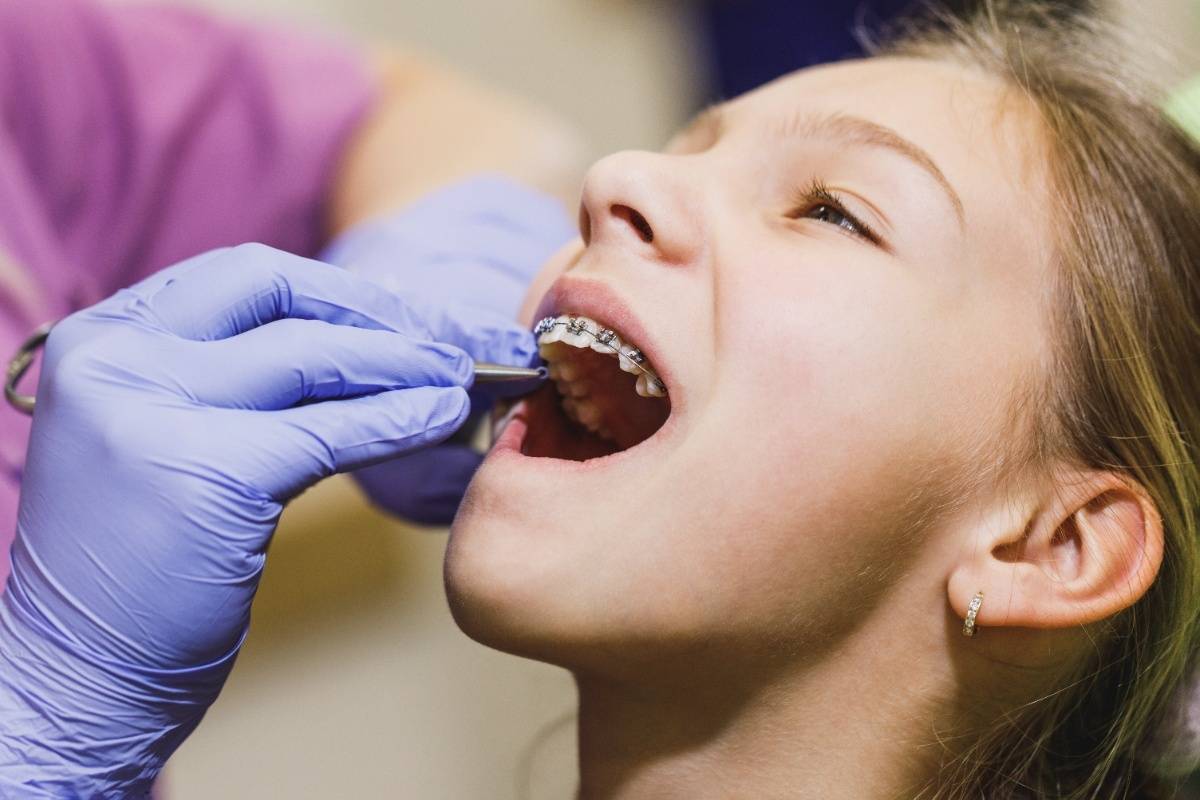
2. After Orthodontic Adjustments
Periodic tightening appointments continue moving the teeth.
Mild soreness may return for several days after:
- Wire changes
- New elastic bands
- Bracket repositioning
3. During Bite Correction
Patients correcting overbites, underbites, or crossbites may notice jaw pressure as the bite changes.
Are Braces More Painful for Crowded Teeth?
Patients with severe crowding sometimes experience stronger pressure early in treatment because larger tooth movements are required.
Crowded teeth may require orthodontists to:
- Rotate teeth
- Create space
- Expand arches
- Shift tooth roots
This increased movement can temporarily increase soreness.
However, the discomfort usually improves as the teeth begin to align.
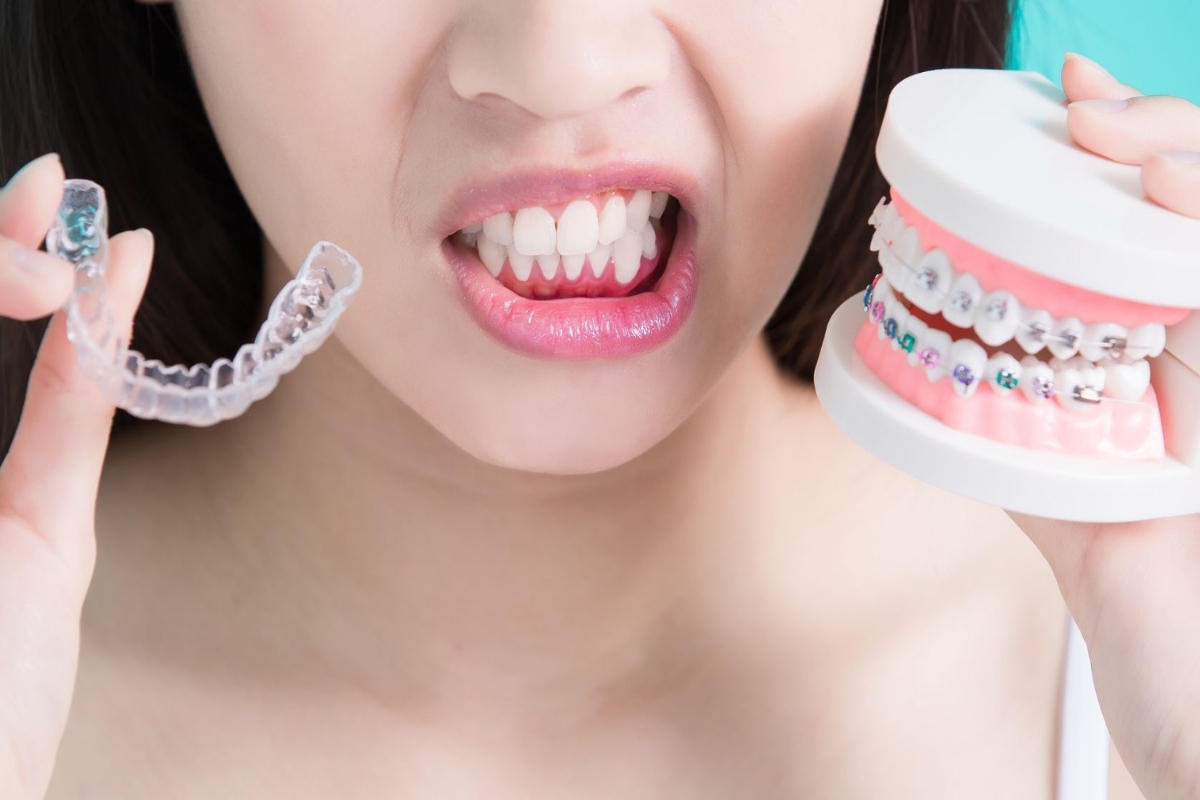
Do Braces Hurt More Than Invisalign?
Many patients wonder whether traditional braces are more painful than clear aligners.
Both systems move teeth using controlled pressure, but braces may cause additional irritation because of:
- Metal brackets
- Wires rubbing cheeks
- Tightening adjustments
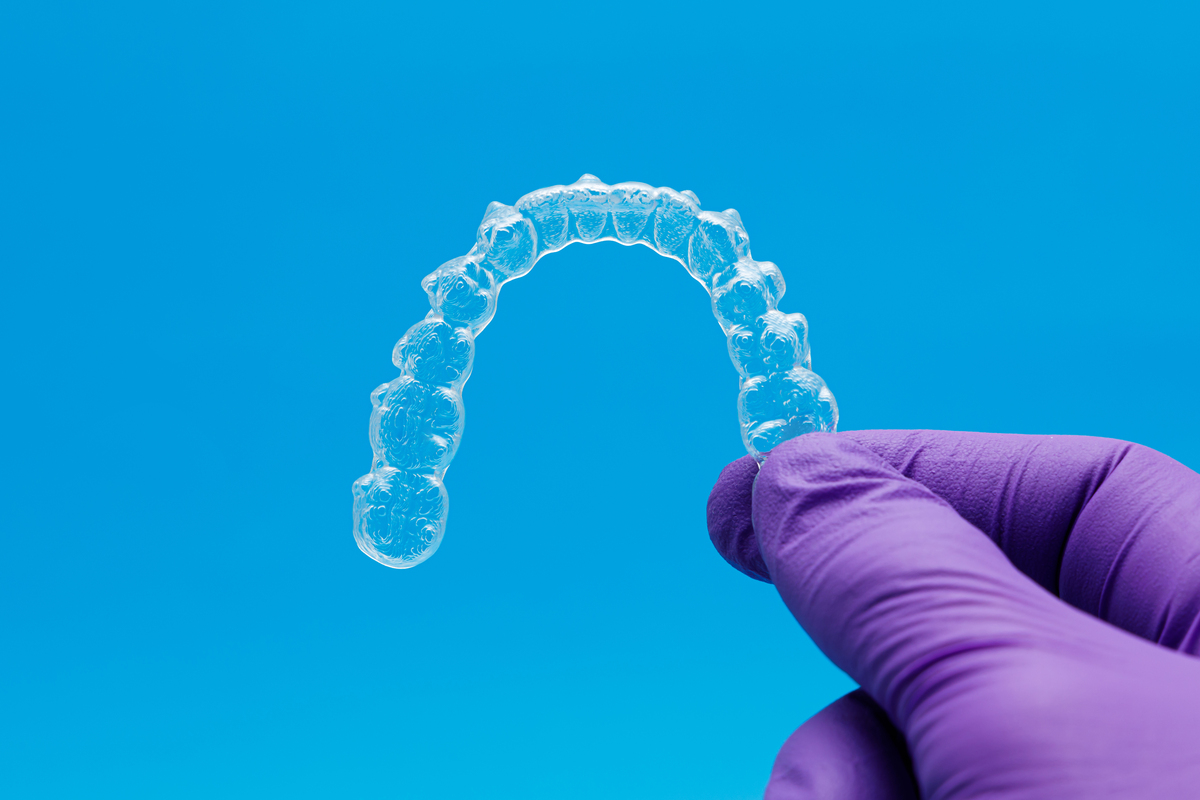
Clear aligners often feel smoother against soft tissues.
However, discomfort levels vary depending on:
- Orthodontic complexity
- Tooth crowding
- Bite problems
- Individual pain tolerance
Easy Tips for Relieving Braces Pain and Discomfort
Fortunately, there are many simple ways to reduce orthodontic soreness at home.
1. Use Orthodontic Wax
Orthodontic wax is one of the most effective tools for reducing irritation.
Wax creates a protective barrier between braces and soft tissues.
Apply wax to areas where:
- Brackets rub cheeks
- Wires irritate lips
- Appliances cause friction
This can significantly reduce mouth sores and irritation.
2. Eat Soft Foods After Adjustments
Chewing hard foods may feel uncomfortable during the first few days after braces adjustments.
Soft foods can reduce pressure on sensitive teeth.
Helpful options include:
- Mashed potatoes
- Yogurt
- Smoothies
- Soup
- Scrambled eggs
- Oatmeal
- Pasta
As soreness improves, patients can gradually return to normal foods.
3. Rinse With Warm Salt Water
Saltwater rinses may help soothe irritated tissues and reduce inflammation.
A simple rinse can be made by mixing:
- 1 teaspoon of salt
- 8 ounces of warm water
Rinsing several times daily may help heal mouth sores caused by braces.
4. Use Cold Compresses or Cold Drinks
Cold temperatures can reduce inflammation and temporarily numb sore tissues.
Helpful options include:
- Ice packs on the cheeks
- Ice water
- Cold smoothies
- Sugar-free popsicles
Cold therapy may be especially helpful after tightening appointments.
5. Take Over-the-Counter Pain Relievers
Dentists or orthodontists may recommend nonprescription pain medication when appropriate.
Patients should always:
- Follow dosage instructions
- Consult their doctor if needed
- Avoid overuse
Pain relief is typically only needed for a short time after adjustments.
6. Maintain Excellent Oral Hygiene
Good oral hygiene is extremely important during orthodontic treatment.
Plaque buildup around braces may increase gum inflammation and discomfort.
Patients should:
- Brush after meals
- Floss daily
- Use fluoride toothpaste
- Clean around brackets carefully
The Centers for Disease Control and Prevention (CDC) reports that good oral hygiene plays a major role in preventing tooth decay and gum disease.
Healthy gums generally feel less irritated during orthodontic treatment.
7. Avoid Hard and Sticky Foods
Certain foods may damage braces and increase discomfort.
Foods to avoid often include:
- Popcorn
- Hard candy
- Ice
- Chewy caramel
- Sticky gum
- Hard nuts
Broken brackets or bent wires may worsen pain and delay treatment.
8. Stay Hydrated
Dry mouth can make the irritation from braces feel worse.
Drinking enough water helps:
- Wash away bacteria
- Reduce irritation
- Support healthier tissues
Hydration is especially important for patients wearing braces during sports or outdoor activities.
9. Use Orthodontic-Friendly Toothbrushes
Soft-bristled toothbrushes are gentler on sore gums and sensitive teeth.
Many orthodontists recommend:
- Orthodontic toothbrushes
- Electric toothbrushes
- Water flossers
These tools may improve comfort while cleaning around braces.
10. Give Your Mouth Time to Adjust
One of the most important things to remember is that braces discomfort usually improves with time.
Most patients adapt within:
- Several days after placement
- A few days after adjustments
As the mouth becomes accustomed to braces, irritation often decreases significantly.
How Long Does Braces Pain Last?
For most patients:
- Initial soreness lasts about 3–7 days
- Adjustment discomfort lasts 1–3 days
- Soft tissue irritation improves as the cheeks toughen naturally
Severe or ongoing pain is not typical and should be evaluated by an orthodontist.
When Should You Call the Orthodontist?
Some discomfort is normal, but certain problems require professional attention.
Contact your orthodontist if you experience:
- Broken brackets
- Poking wires
- Severe swelling
- Intense pain
- Signs of infection
- Difficulty eating for prolonged periods
Prompt repairs help prevent complications and reduce unnecessary discomfort.
The Long-Term Benefits of Braces
Temporary discomfort is often outweighed by the long-term benefits of orthodontic treatment.
Braces may improve:
- Smile appearance
- Oral hygiene
- Bite function
- Speech
- Jaw comfort
- Tooth longevity
Research shows that untreated orthodontic problems may contribute to uneven tooth wear, gum disease, and chewing difficulties later in life.
Straightening teeth also helps many patients feel more confident socially and professionally.
Braces Pain in Teens vs. Adults
Both teens and adults experience orthodontic soreness, but adults sometimes report slightly greater sensitivity because adult bone remodeling occurs more slowly.
However, modern orthodontic technology has improved comfort significantly for patients of all ages.
Today’s braces are:
- Smaller
- Lighter
- More efficient
- More comfortable than older systems
Choosing the Right Orthodontist Matters
An experienced orthodontist in Boca Raton can make treatment more comfortable through:
- Precise adjustments
- Customized treatment plans
- Advanced technology
- Proper appliance placement
Patients should look for practices that prioritize patient comfort and education throughout treatment.
Conclusion
Dental braces pain and discomfort are common parts of orthodontic treatment, but they are usually temporary and manageable. Whether soreness occurs after getting braces, tightening wires, or correcting bite problems, modern orthodontic care offers many simple ways to improve comfort.
Using orthodontic wax, eating soft foods, maintaining excellent oral hygiene, and following your orthodontist’s instructions can make treatment significantly easier. Most importantly, discomfort with braces is often a sign that teeth are moving into healthier positions.
According to the American Association of Orthodontists, for millions of Americans, the temporary inconvenience of braces leads to long-term improvements in oral health, bite function, and smile confidence. With proper care and support, patients can successfully manage discomfort while achieving a straighter and healthier smile.
Frequently Asked Questions
1. How long do braces hurt after getting them?
Most patients experience soreness for about 3–7 days after braces are first placed.
2. What helps with braces pain the fastest?
Orthodontic wax, soft foods, cold compresses, saltwater rinses, and over-the-counter pain relievers may help reduce discomfort.
3. Is braces pain normal?
Yes. Mild pressure and soreness are normal because braces gradually move teeth into new positions.
4. Do braces hurt more after tightening?
Some patients experience temporary soreness for 1–3 days after orthodontic adjustments or wire tightening.
5. When should I call my orthodontist about braces pain?
You should contact your orthodontist if you experience severe pain, swelling, broken brackets, poking wires, or signs of infection.