


Have you ever looked in the mirror and wondered whether your teeth are “just a little crooked” or if you actually need orthodontic treatment? Maybe your child struggles to chew comfortably, or you’ve noticed crowded teeth becoming harder to clean over time.
The truth is that orthodontic problems are about much more than appearance. Crooked teeth and bite issues can affect oral health, jaw function, speech, chewing, and even long-term confidence.
Many people assume braces or clear aligners are only for cosmetic purposes, but orthodontic treatment often helps prevent serious dental complications later in life. According to the American Association of Orthodontists, millions of Americans receive orthodontic treatment each year, and adults now make up approximately one in three orthodontic patients.
Modern orthodontics can correct a wide range of problems, from mild crowding to severe bite misalignment. However, many patients delay treatment simply because they do not recognize the warning signs early enough.
Understanding the common signs you may need orthodontic treatment can help you protect your oral health before problems become more serious.
What Is Orthodontic Treatment?
Orthodontic treatment focuses on correcting the alignment of teeth and jaws.
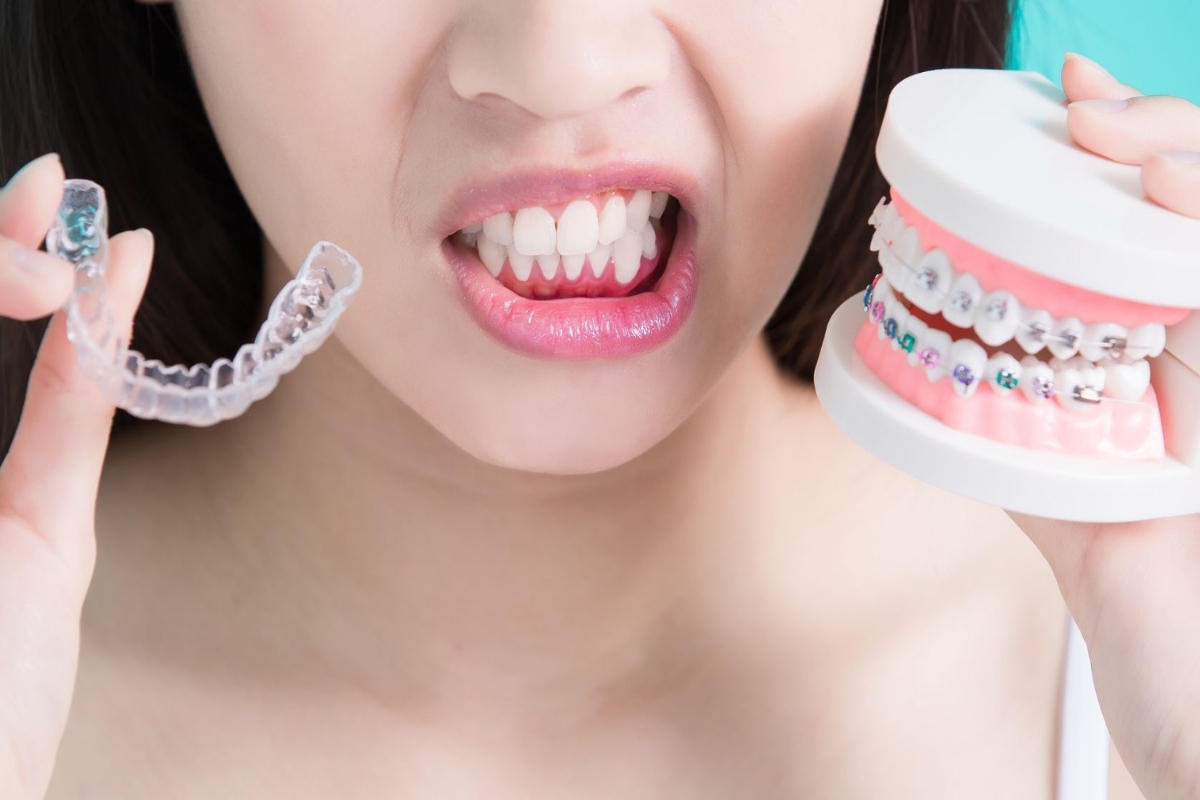
Common orthodontic treatments include:
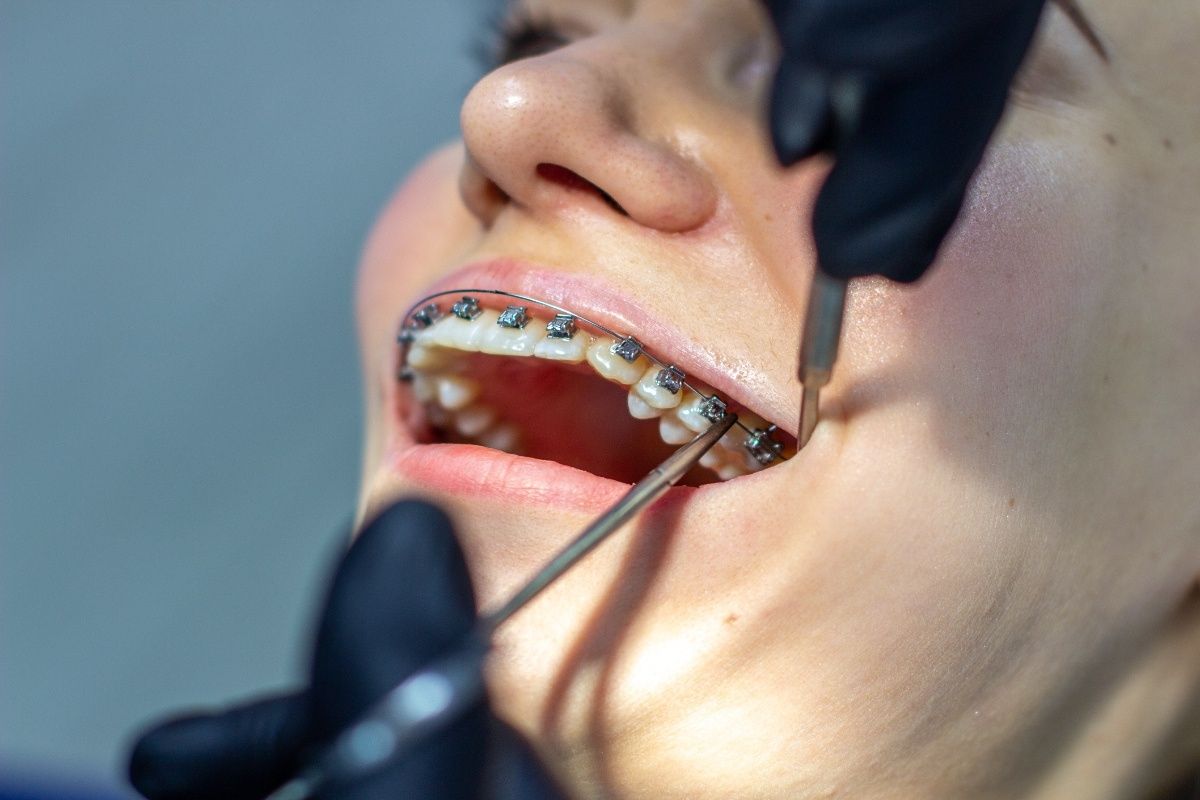
- Traditional braces
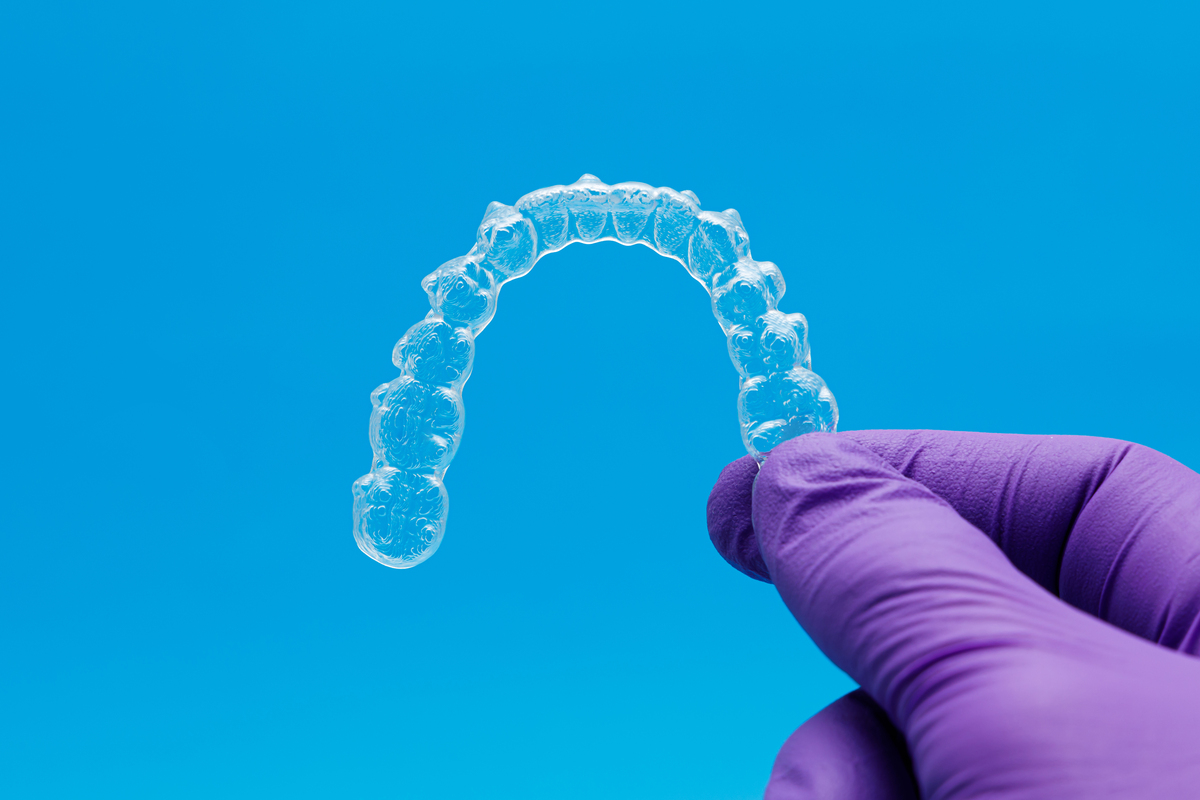
- Clear aligners
- Retainers
- Palatal expanders
- Bite correction appliances
The goal is not only to improve the appearance but also to create healthier tooth function and jaw alignment.
Orthodontists specialize in diagnosing and treating problems related to:
- Crooked teeth
- Crowding
- Gaps
- Bite irregularities
- Jaw alignment
Why Crooked Teeth and Bite Problems Matter
Misaligned teeth are not just cosmetic concerns.
Orthodontic issues can contribute to:
- Difficulty cleaning teeth
- Increased cavity risk
- Gum disease
- Jaw pain
- Uneven tooth wear
- Speech difficulties
- Trouble chewing
The National Institute of Dental and Craniofacial Research identifies malocclusion, or improper bite alignment, as one of the most common oral health conditions in the United States.
When left untreated, orthodontic problems may worsen over time.
Sign #1: Crowded Teeth
Crowding occurs when there is not enough space in the jaw for teeth to align properly.
Crowded teeth may appear:
- Overlapping
- Twisted
- Rotated
- Pushed forward or backward
Why Crowding Is a Problem
Crowded teeth create tight spaces where plaque and bacteria accumulate more easily.
This increases the risk of:
- Tooth decay
- Gum disease
- Bad breath
- Difficulty flossing
The Centers for Disease Control and Prevention (CDC) reports that cavities remain one of the most common chronic diseases among children and adults.
Orthodontic treatment helps create healthier spacing for easier cleaning and improved oral health.
Sign #2: Gaps Between Teeth
Some spacing between teeth may be harmless, but larger gaps can sometimes indicate orthodontic problems.
Spacing issues may develop because of:
- Missing teeth
- Jaw size differences
- Thumb-sucking habits
- Genetics
Problems Associated With Gaps
Large gaps may lead to:
- Food trapping
- Gum irritation
- Bite imbalance
- Cosmetic concerns
Orthodontists can often close gaps while improving overall bite alignment.
Sign #3: Difficulty Biting or Chewing
Do you avoid certain foods because chewing feels uncomfortable?
Difficulty biting or chewing may indicate:
- Bite misalignment
- Jaw imbalance
- Uneven tooth contact
Orthodontic problems can place excessive pressure on certain teeth, making chewing less efficient.
Over time, this may contribute to:
- Tooth wear
- Jaw fatigue
- Tooth fractures
A properly aligned bite helps distribute chewing forces evenly across the mouth.
Sign #4: Frequent Jaw Pain or Clicking
Jaw discomfort is another common sign of bite problems.
Symptoms may include:
- Jaw soreness
- Clicking or popping sounds
- Difficulty opening the mouth fully
- Facial tension
- Morning headaches
In some cases, bite misalignment contributes to temporomandibular joint (TMJ) strain.
While orthodontics is not the solution for every TMJ issue, correcting severe bite problems may help reduce excessive jaw stress in some patients.
Sign #5: Teeth That Do Not Meet Properly
When you bite down, your upper and lower teeth should fit together in a balanced way.
Common bite problems include:
- Overbite: Upper front teeth overlap excessively over lower teeth.
- Underbite: Lower teeth extend beyond upper teeth.
- Crossbite: Some upper teeth bite inside the lower teeth.
- Open Bite: Front teeth do not touch when the mouth closes.
These bite issues may affect:
- Speech
- Chewing
- Jaw development
- Facial balance
The American Association of Orthodontists recommends early evaluation because untreated bite problems can worsen during growth.
Sign #6: Speech Difficulties
Tooth and jaw alignment can influence speech patterns.
Orthodontic problems may contribute to:
- Lisping
- Difficulty pronouncing certain sounds
- Slurred speech
Open bites and severe spacing issues are especially associated with speech concerns.
Correcting alignment may improve speech clarity for some patients.
Sign #7: Mouth Breathing
Chronic mouth breathing in children may sometimes indicate concerns with jaw or orthodontic development.
Mouth breathing has been associated with:
- Narrow dental arches
- Improper jaw growth
- Crowded teeth
Orthodontists may work with pediatricians or ENT specialists when airway concerns are involved.
Sign #8: Early or Late Loss of Baby Teeth
The timing of baby tooth loss affects how permanent teeth erupt.
If baby teeth fall out:
- Too early
- Too late
- In unusual patterns
There may be an increased risk of crowding or bite problems later.
Early orthodontic evaluations help monitor the development of teeth and jaw growth.
Sign #9: Thumb-Sucking Beyond Early Childhood
Prolonged thumb-sucking or pacifier use can affect jaw and tooth development.
Extended habits may contribute to:
- Open bite
- Protruding front teeth
- Narrow palate
The American Dental Association recommends monitoring prolonged oral habits because they may influence orthodontic development.
Sign #10: Teeth Grinding or Clenching
Frequent grinding (bruxism) may sometimes be related to a bite imbalance.
Signs include:
- Flattened teeth
- Jaw soreness
- Morning headaches
- Tooth sensitivity
Although stress is a common factor, orthodontic misalignment may worsen grinding patterns in some patients.
Sign #11: Difficulty Cleaning Teeth Properly
If floss constantly gets stuck or brushing is difficult due to overlapping teeth, orthodontic treatment may help improve access for oral hygiene.
Poorly aligned teeth increase the risk of:
- Plaque buildup
- Cavities
- Gum inflammation
Straight teeth are often easier to maintain in the long term.
Sign #12: Self-Consciousness About Your Smile
Orthodontic concerns can affect emotional confidence as well as oral health.
Research published in dental health studies shows that smile appearance often influences:
- Self-esteem
- Social interaction
- Professional confidence
- Emotional well-being
Many teens and adults seek orthodontic care because they feel embarrassed smiling or speaking in public.
Orthodontic Problems in Adults
Many adults assume they are “too old” for orthodontic treatment.
In reality, adult orthodontics has grown rapidly in recent years.
Modern options such as clear aligners allow adults to straighten teeth more discreetly than ever before.
Adult orthodontic treatment may improve:
- Smile appearance
- Oral hygiene
- Bite stability
- Jaw comfort
Why Early Orthodontic Evaluation Matters for Children
The American Association of Orthodontists recommends that children receive an orthodontic evaluation by age 7.
Early evaluation helps orthodontists identify:
- Jaw growth issues
- Crowding
- Bite abnormalities
- Eruption problems
Not every child needs early treatment, but monitoring development allows for better long-term planning.
Modern Orthodontic Treatment Options
Today’s orthodontic treatments are more comfortable and discreet than in the past.
Common options include:
- Traditional Braces: Effective for mild to complex orthodontic problems.
- Clear Aligners: Popular among teens and adults seeking a less visible option.
- Ceramic Braces: Blend more naturally with tooth color.
Early Orthodontic Appliances
Used for jaw growth guidance in children.
Orthodontists customize treatment plans based on each patient’s needs.
How Long Does Orthodontic Treatment Take?
Treatment time varies depending on:
- Severity of misalignment
- Bite complexity
- Age
- Patient compliance
Average orthodontic treatment often ranges from:
- 12 to 24 months
More complex bite corrections may require additional time.
Benefits of Orthodontic Treatment
Orthodontic treatment may improve:
- Smile aesthetics
- Oral hygiene
- Chewing efficiency
- Speech
- Jaw comfort
- Tooth longevity
Straightening teeth also helps reduce uneven tooth wear and excessive bite pressure.
Choosing the Right Orthodontist
Finding an experienced orthodontist in Boca Raton is important for successful treatment.
Look for an office that offers:
- Comprehensive evaluations
- Digital imaging technology
- Customized treatment plans
- Experience with both teens and adults
- Modern orthodontic options
A personalized approach helps improve both comfort and long-term outcomes.
Conclusion
Crooked teeth and bite problems are more than cosmetic concerns. They can affect oral hygiene, chewing, jaw comfort, speech, and long-term dental health. Recognizing the early warning signs of orthodontic issues allows patients to seek treatment before complications worsen.
Whether you notice crowded teeth, bite discomfort, jaw pain, spacing problems, or difficulty cleaning your teeth properly, orthodontic treatment may help improve both function and appearance. Modern orthodontic options now make treatment more comfortable and discreet for children, teens, and adults alike.
If you suspect you or your child may need orthodontic care, scheduling a professional evaluation is the first step toward a healthier, more confident smile.
Frequently Asked Questions
1. How do I know if I need orthodontic treatment?
Common signs include crowded teeth, gaps, bite problems, jaw pain, difficulty chewing, and trouble cleaning teeth properly.
2. Can adults still get braces or Invisalign?
Yes. Adult orthodontic treatment is very common, and clear aligners make treatment more discreet than ever before.
3. At what age should children see an orthodontist?
The American Association of Orthodontists recommends an evaluation by age 7.
4. Are crooked teeth bad for oral health?
Yes. Crooked teeth may increase the risk of cavities, gum disease, and uneven tooth wear because they are harder to clean.
5. Can orthodontic treatment improve jaw pain?
In some cases, correcting bite problems may help reduce excessive pressure on the jaw joints and improve comfort.