




So, you’ve taken the plunge. You’re finally on your way to that perfectly aligned smile, and you’ve chosen the convenience and aesthetic appeal of Invisalign. But let’s be real—the “invisible” part only works if your trays stay, well, invisible.
Have you ever pulled your aligners out after a long morning of coffee and meetings, only to notice they’ve picked up a slightly dull, cloudy film? Or perhaps you’ve caught a whiff of something that definitely isn’t fresh? You aren’t alone. With over 17 million people having undergone Invisalign treatment as of 2023, you’re part of a massive community of smile-seekers. But that popularity also means there’s a lot of trial and error involved in keeping those plastic trays pristine.
If you want to avoid “aligner breath” and keep your treatment on track, it’s time to stop treating your trays as an afterthought and start treating them as the medical-grade appliances they are. Let’s dive into how you can keep your smile—and your aligners—sparkling.
Why Cleaning Invisalign Aligners Matters
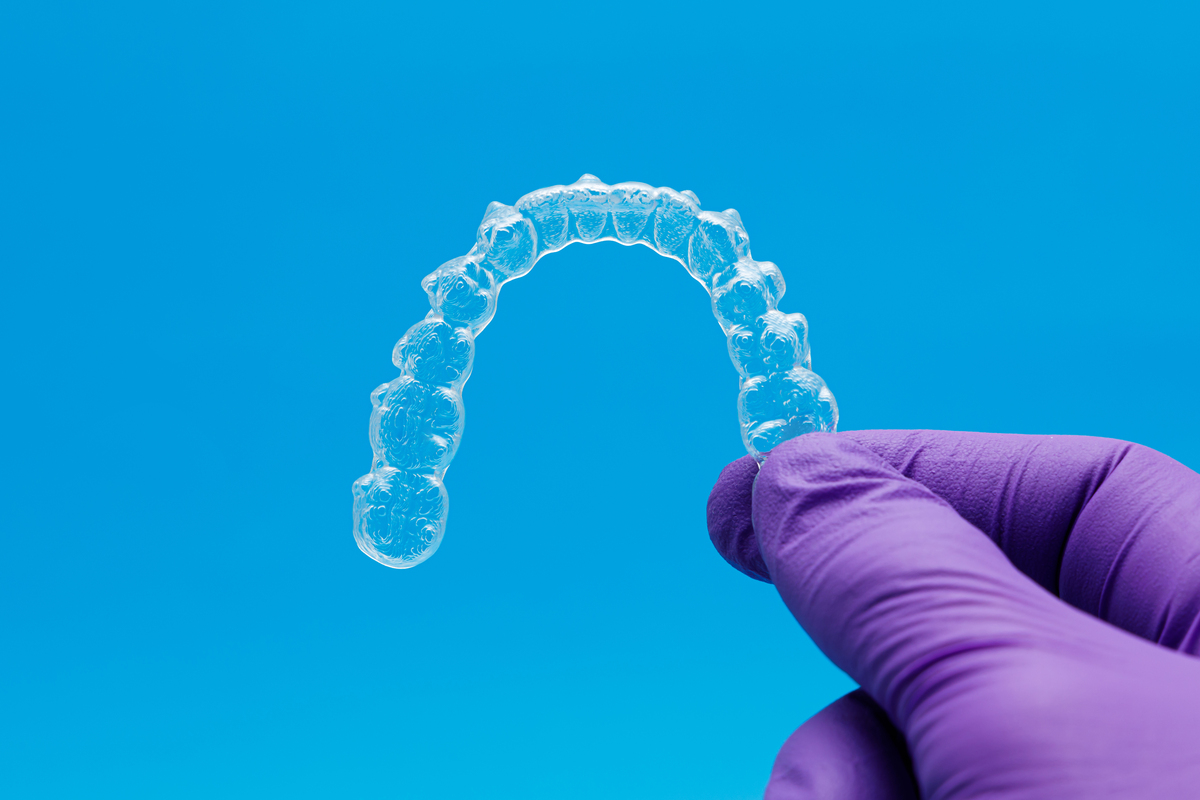
Invisalign Aligners are made of a specialized thermoplastic material that, while durable, is susceptible to bacterial colonization. Research has shown that aligners can act as a petri dish for biofilm—a layer of bacteria and plaque—if they aren’t cleaned properly.
According to a study published in Clinical, Cosmetic, and Investigational Dermatology, relying on water rinsing alone is the least effective way to clean your trays. Neglecting a proper regimen can lead to:
- Persistent Odors: Bacterial byproducts release sulfur compounds, the primary culprit of “aligner breath.”
- Discoloration: Coffee, tea, and even certain foods can permanently stain the plastic, making your “invisible” aligners very visible.
- Treatment Delays: Plaque buildup can prevent the aligners from fitting snugly against your teeth, potentially hindering tooth movement and extending your overall treatment time.
Step-by-Step: How to Clean Invisalign Aligners Properly
Below is a comprehensive, practical routine based on expert dental recommendations:
Rinse Every Time You Remove Them
Each time you take your aligners out — whether for meals or drinks — rinse them under lukewarm water. This removes saliva and debris before the buildup hardens. Avoid hot water; it can warp the plastic.
Pro Tip: Rinse immediately after removal, not later. Waiting allows bacteria to dry and stick.
Brush Gently at Least Twice a Day
Use a soft-bristled toothbrush with mild, clear liquid soap or Invisalign-approved cleaning products. Brush:
- both inside and outside surfaces
- every morning and night
Generally, local certified orthodontists in Boca Raton recommend brushing your teeth similarly to how you brush them — thoroughly but gently.
Avoid toothpaste on aligners, as many toothpastes are abrasive and can scratch the plastic surface, leading to reinfection and cloudiness.
Deep Clean with Cleaning Crystals or Soaks
For deeper cleaning:
- Use Invisalign® cleaning crystals or aligner-safe cleansing tablets
- Soak aligners once a day (15–30 min) in the solution
- Rinse afterward with lukewarm water
This dissolves protein buildup and biofilm that brushing alone can’t remove.
Keep Your Case Clean
Your case is a hidden bacterial hotspot if not cleaned regularly. Wash it weekly with mild soap and water, and let it dry completely before storing aligners.
Stick to Oral Hygiene Before Reinserting
Your aligners are only as clean as the teeth beneath them:
- Brush and floss after every meal before putting the aligners back in
- This prevents trapping food particles and bacteria against your teeth
It’s similar to basic dental hygiene — except with removable appliances, skipping this step puts bacteria directly in contact with your enamel.
What to Avoid When Cleaning Invisalign
To protect your aligners and your oral health:
- Do not use mouthwash to soak aligners — alcohol and dyes can discolor or damage them.
- Avoid hot water or boiling—high heat can warp the plastic.
- Skip abrasive cleaning products — toothpaste, colored soaps, and denture cleaners can harm your tray surfaces.
- Never leave aligners out uncovered — bacteria and dust can easily stick.
Common Myths About Aligners and Cleaning
- Myth: I only need to clean them once a week.
Truth: Dentists recommend daily rinsing and at least twice-daily cleaning. - Myth: I can use toothpaste to clean them.
Truth: Toothpaste is often too abrasive and can create scratches that trap bacteria. - Myth: Cloudiness equals poor alignment.
Truth: Cloudiness is often due to buildup and can be prevented with proper routine maintenance.
Conclusion
Keeping your Invisalign aligners clean isn’t just about appearances—it’s about the health of your mouth. When you commit to a routine of rinsing, brushing, and soaking, you aren’t just protecting your investment; you’re ensuring that your path to a straighter smile is as hygienic and comfortable as possible. Remember, you’re wearing these for 20 to 22 hours a day. Taking those extra two minutes to care for them is a small price to pay for a healthier, brighter future.
Frequently Asked Questions
1. How often should I clean my Invisalign aligners?
Dentists recommend rinsing after every removal and performing a full cleaning with a gentle brush twice daily.
2. Can I use mouthwash to soak Invisalign trays?
No — mouthwash often contains alcohol and colors that can damage or stain the aligners.
3. What if my aligners smell even after cleaning?
This usually means bacterial buildup — increase your cleaning frequency, always rinse after meals, and consider a daily soak.
4. Are special Invisalign cleaning products necessary?
They’re helpful but not strictly required. If unavailable, soaking tablets designed for retainers can be used.
5. Should I brush my teeth before reinserting aligners?
Yes — always brush and floss before reinserting to avoid trapping bacteria. ping bacteria.