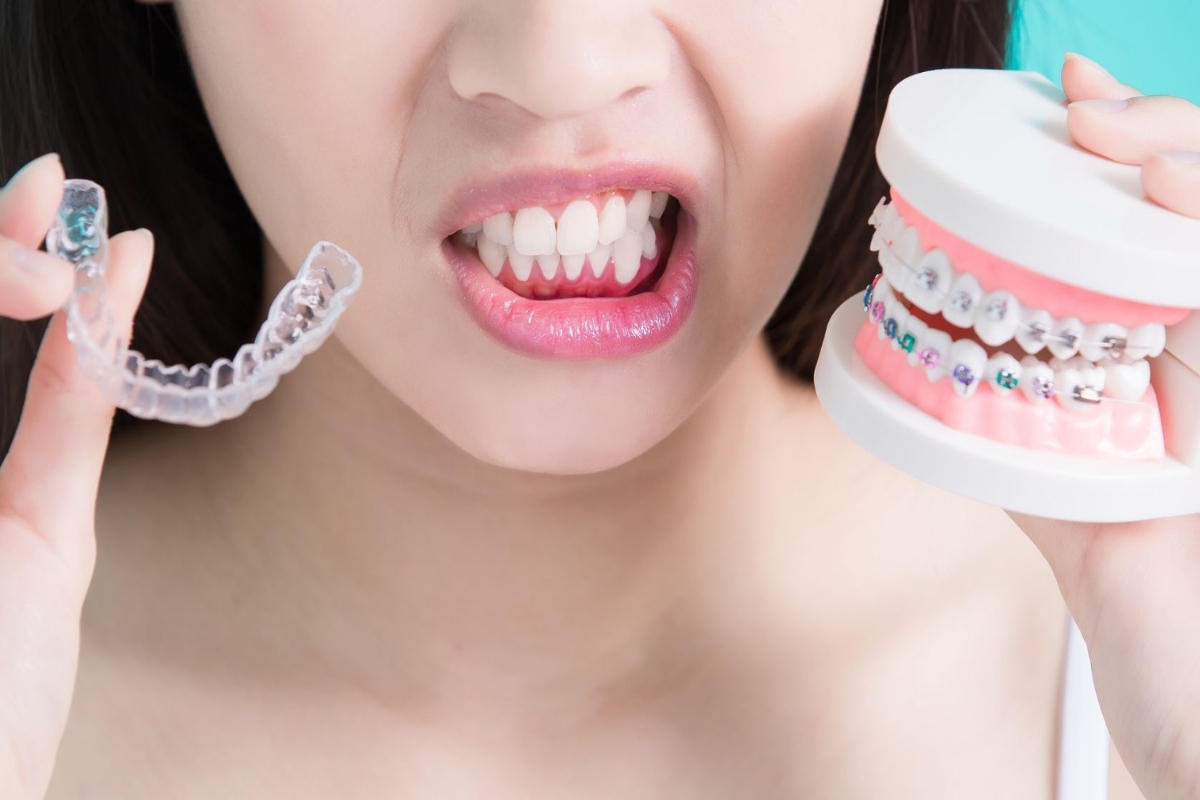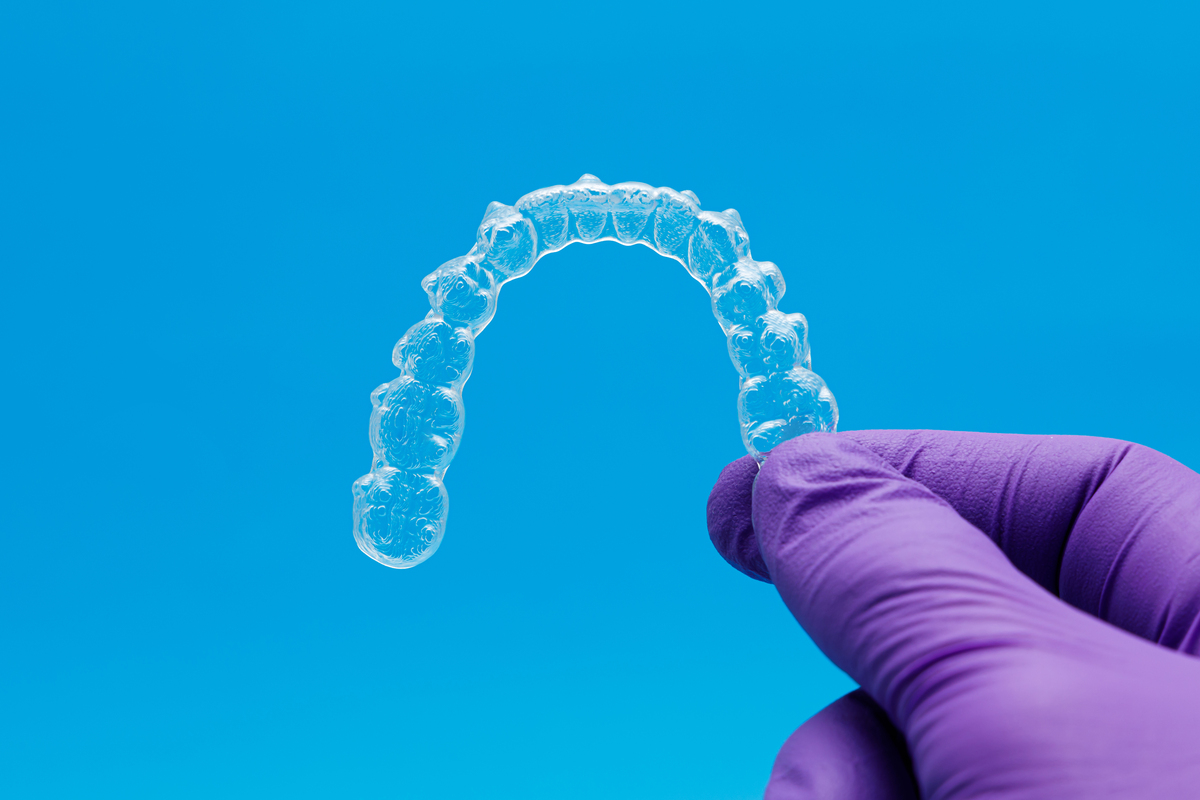




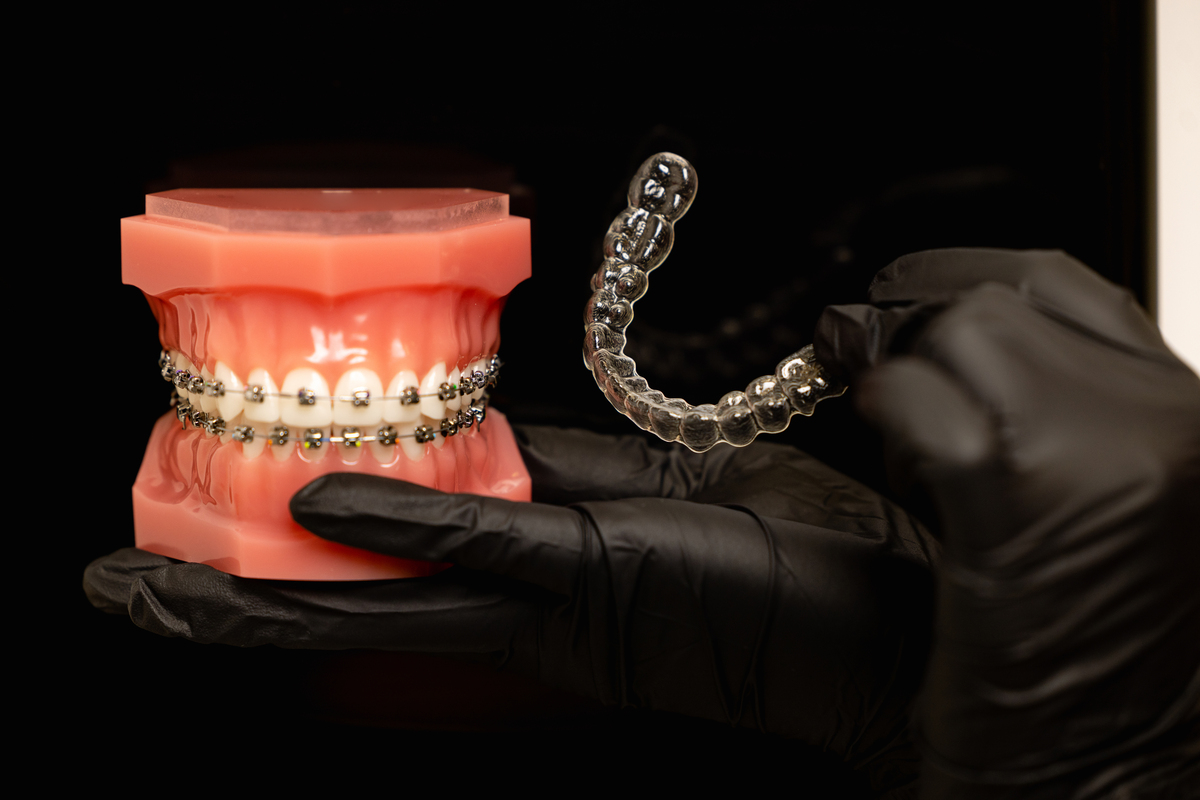
Ready to upgrade your smile but feeling stuck between the classic “metal-mouth” look and the futuristic clear aligner vibe? You aren’t alone. It’s the age-old orthodontic showdown: Braces vs. Invisalign.
In 2026, the technology behind both has reached peak efficiency. Whether you’re a high schooler worried about yearbook photos or a professional prepping for a big presentation, the question is always the same: Which one gets me to the finish line faster?
Let’s dive into the data, the timelines, and the truth about what really moves teeth in record time.
Why Invisalign Is Often Faster
Let’s get into why Invisalign frequently delivers quicker results.
- Advanced Digital Planning: Invisalign uses 3D digital scans and custom planning software, allowing orthodontists to map your entire treatment plan efficiently from the start. Each aligner is designed to move specific teeth in sequence — kind of like a digital puzzle being solved step-by-step.
- Aligners Change Faster: With Invisalign, you typically switch trays every 1–2 weeks. That steady, predictable rhythm helps keep the process on schedule — often faster than waiting for braces adjustments.
- Compliance = Speed: Because aligners are removable, they aren’t always on — but if worn 20–22 hours per day as recommended, they can move teeth efficiently and often quicker than braces.
- Minimal Office Visits: With Invisalign, you don’t have tightening appointments every few weeks as you do with braces. That convenience often keeps treatment chugging along smoothly.
Why Braces Sometimes Take Longer
Traditional braces still have serious orthodontic power — especially for complex issues.
- Continuous Force: Braces are fixed to your teeth and work 24/7. That can be an advantage for complicated movements or severe bite corrections.
- More Adjustable: Your orthodontist can make immediate on-the-spot adjustments. If your smile isn’t responding as planned, they can tweak it right then and there — sometimes speeding movement in stubborn spots.
- Better for Complex Cases: If your orthodontist tells you your teeth are seriously crowded, your bite is off, or you have an underbite or overbite, braces often remain the gold standard. They grip each tooth individually, and that control can translate into more predictable outcomes for complex movements.
The “Compliance Curve”: The Secret Variable
Here is the catch that many “fast” Invisalign advertisements won’t tell you: The speed of Invisalign is entirely in your hands. Because aligners are removable, their effectiveness depends on the “22-hour rule.” Research indicates that Invisalign patients who wear their trays for less than 20 hours a day can see their treatment time balloon by 20-30% due to “tracking” errors—where the teeth stop following the digital plan.
Braces, on the other hand, are “set and forget.” They work while you sleep, eat, and forget you even have them. For a busy American teenager or a forgetful adult, the “slower” method of braces might actually be faster because there’s no risk of human error.
By The Numbers — Data You Can Trust
Here’s what research and clinical summaries show:
- Average treatment length for Invisalign: ~12–18 months — often shorter than braces for simpler cases.
- Average treatment length for braces: ~18–24 months — often longer due to mechanical refinements.
- Some providers report Invisalign finishing ~3–5 months faster than traditional braces on similar cases.
These numbers are averages — your mileage can vary, but they’re good ballparks.
What Can Slow Down Treatment?
For Invisalign
- Skipping aligner wear time.
- Poor-fitting trays require refitting.
- Misplacement or loss of trays.
For Braces
- Broken brackets or wires requiring extra dental visits.
- Extractions before full treatment begins.
Both treatments depend on cooperation and care. The better you stick to the plan, the faster things go.
Age & Compliance: What Matters Most
- Kids & Teens — Often see faster results due to more responsive bone structure.
- Adults — Still great candidates, but may take a bit longer because of denser bone tissue.
- Compliance — With Invisalign, missing wear time directly increases treatment length.
Bottom line: *Invisalign can be fast — but it requires discipline. Braces work 24/7 without any effort on your part (perfect for busy teens or adults with unpredictable routines).
So… Which Is Faster?
- For Mild or Moderate Cases: Invisalign is often faster — sometimes by several months. It’s predictable, streamlined, and good for busy lifestyles.
- For Complex Cases: Braces are usually faster in practice because they provide more controlled force and don’t depend on removal schedules.
In General:
- Invisalign = faster for many everyday alignment issues.
- Braces = faster or more predictable for complicated orthodontics.
Conclusion
There’s no single “fastest” across the board — but one thing’s clear: both braces and Invisalign can give you a beautiful smile — the timeline just depends on your mouth and your plan.
If speed is your top priority and your orthodontic issues are mild to moderate, Invisalign often gets you there quicker — provided you wear your aligners as directed.
If predictability and control matter more — especially in complex cases — traditional braces remain a powerful, reliable choice.
Whatever path you choose, make sure it’s guided by a local certified orthodontist in Boca Raton who evaluates your specific smile and goals — because individual variations impact real timelines more than averages ever can.
Frequently Asked Questions
1. Is Invisalign always faster than braces?
Not always — Invisalign averages 12–18 months and can be shorter for mild cases, but braces may be faster for complex movements because fixed brackets apply continuous force.
2. Do braces ever finish in less than one year?
Yes, in rare, very mild cases, braces can complete in about 12 months — but that’s on the shorter end of the typical 18–24-month range.
3. How much does patient behavior affect treatment time?
With Invisalign, wearing aligners for 20–22 hours daily is critical — removing them too often can significantly prolong treatment.
4. Can adults get results as fast as teens?
Adults sometimes progress slightly slower due to denser bone, but with proper compliance, treatment times can be very similar.
5. Do both options require retainers afterward?
Yes — retainers are essential for maintaining your smile after any orthodontic treatment, whether Invisalign or braces.