



So, you’ve finally decided to take the plunge and get that Hollywood smile. You’re standing in front of the mirror, imagining your teeth perfectly aligned, but then the big question hits: “How long am I actually going to have to wear these things?” It’s the number one question orthodontists hear, and for good reason. Whether you’re a busy professional in the city or a parent trying to coordinate a teenager’s sports schedule, time is your most valuable asset. The short answer? It depends. The long answer? Well, let’s dive into the data, the science, and the “why” behind those timelines so you can plan your life (and your photos) accordingly.
Why Treatment Duration Matters
While every mouth is a unique ZIP code, national averages give us a solid starting line. According to the American Association of Orthodontists (AAO), the average orthodontic treatment lasts between 12 and 36 months.
However, most patients find their “sweet spot” right in the middle. Data from 2024–2025 clinical surveys suggest that the median time for traditional metal braces is approximately 24 months, while clear aligner treatments often finish slightly faster for mild cases, averaging 12 to 18 months (Journal of Clinical Orthodontics).
Typical Timelines for Common Orthodontic Treatments
Traditional Braces — Tried, True, and Predictable
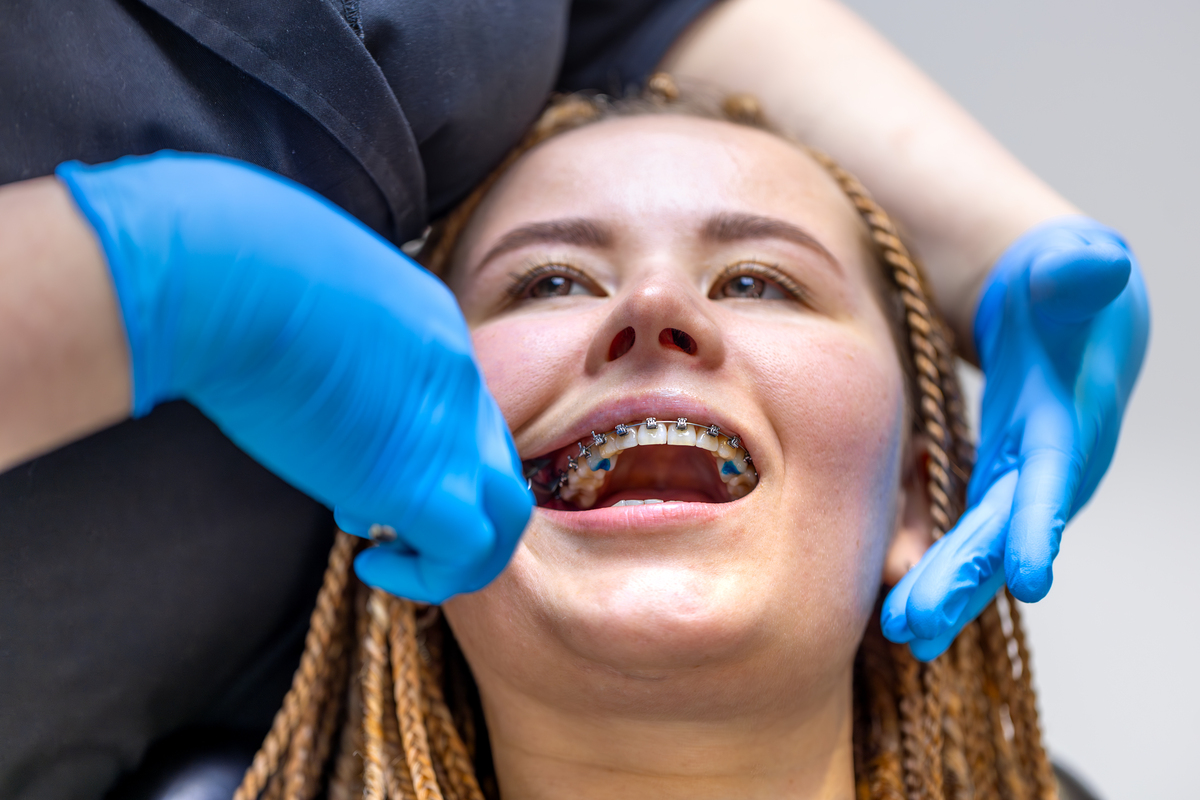
Braces remain one of the most common orthodontic treatments for teens and adults alike. Most patients wear them for 18 to 24 months to achieve comprehensive correction of alignment and bite issues.
- Why that range? Complex movements (such as correcting severe crowding, overbite, or jaw misalignment) simply take longer—sometimes up to 30 months or more.
- Average treatment length for braces in U.S. cases is close to 22 months.
- About 25% of patients wear their braces longer than initially predicted, often due to missed appointments or compliance issues.
- Adult treatment time tends to be 5–6 months longer on average than teen treatment, primarily due to denser bone structure.
All of that means your personal timeline could vary — but if someone tells you “about two years,” they’re giving you a pretty realistic estimate.
Clear Aligners (e.g., Invisalign®) — Discreet and Flexible
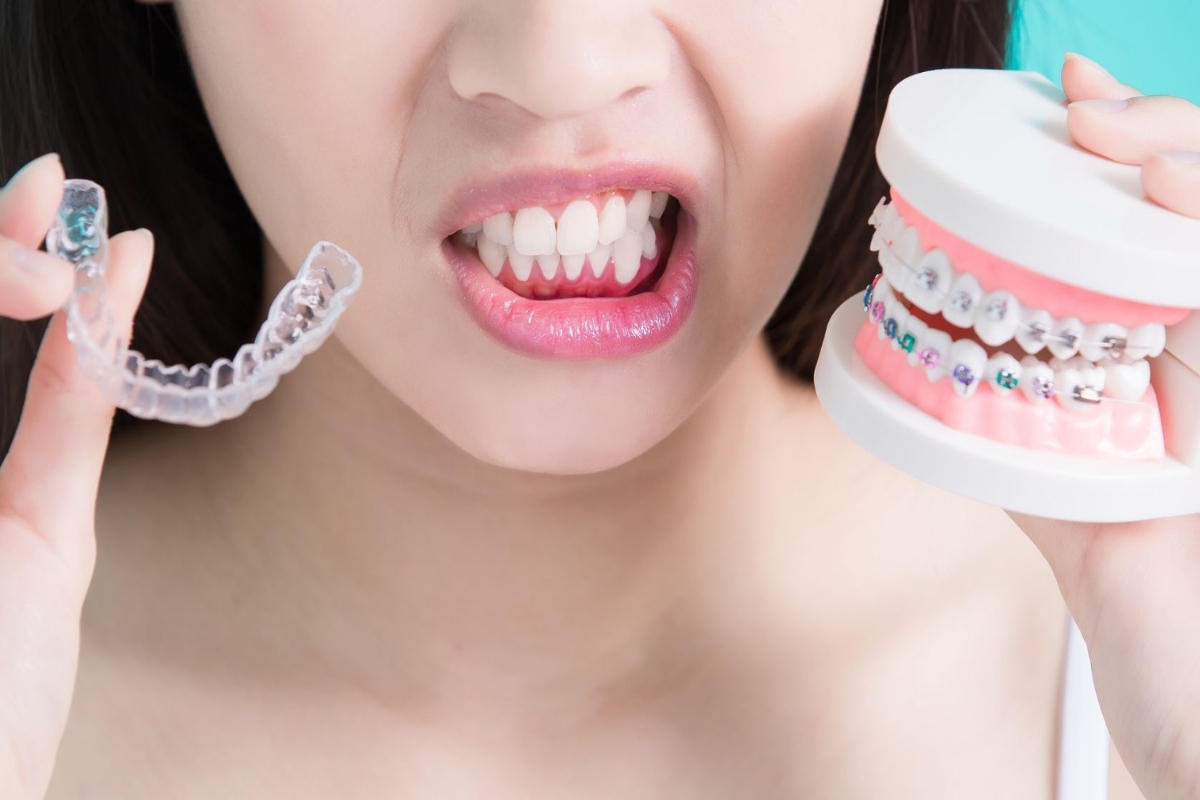
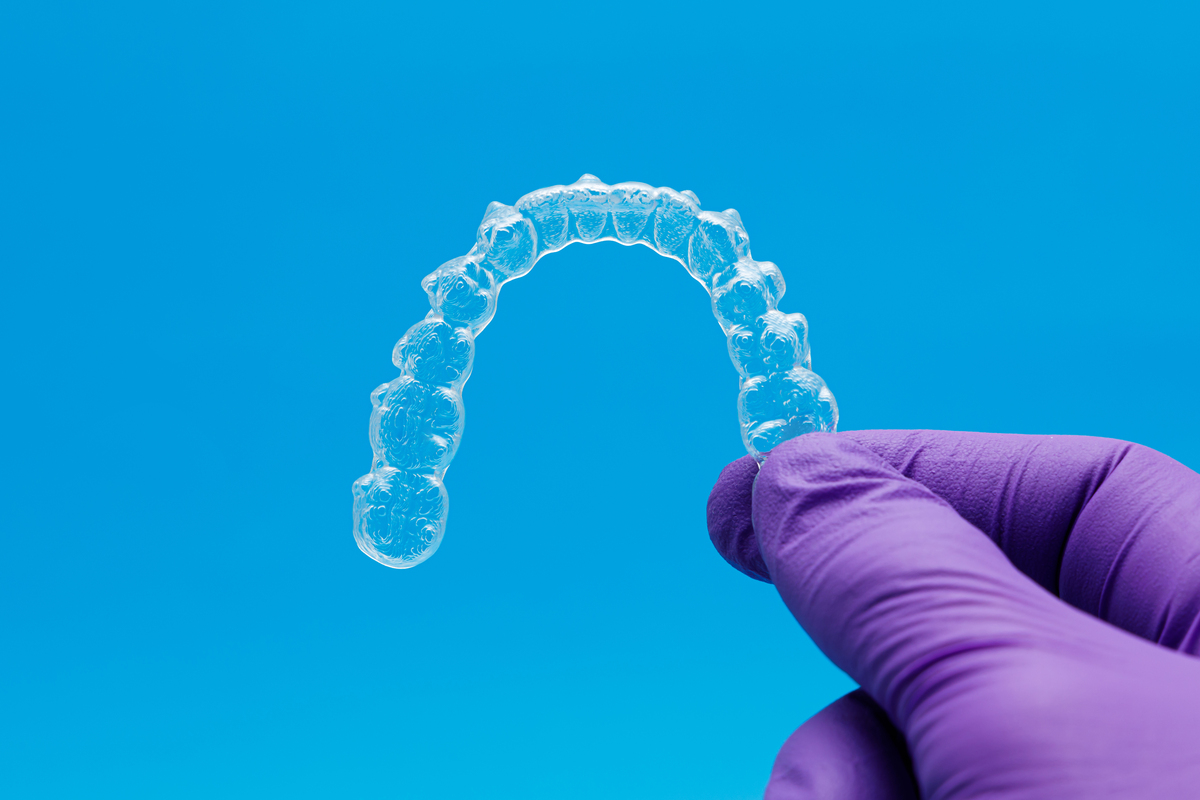
If you’re leaning toward Invisalign or similar clear aligner systems, the treatment clock often ticks a bit faster — but with some important caveats.
- Typical Invisalign cases take about 12–18 months.
- Mild alignment issues might resolve within 6–12 months.
- Complex bite corrections or less diligent wear can stretch treatment beyond 18 months.
- In a clinical study, Invisalign patients averaged about 22.8 months — illustrating that real-world results can be longer than ideal timelines.
- Compliance matters: Invisalign trays typically need to be worn 20–22 hours daily for optimal results.
In short, aligners can be faster for certain cases — especially mild ones — but only when you wear them as prescribed.
What Affects How Long Orthodontic Treatment Takes?
Let’s unpack the real factors that influence your smile timeline.
- Severity of the Dental Issue: Your local certified Orthodontist in Boca Raton evaluates your bite, spacing, crowding, and overall alignment to decide how many movements and corrections are needed. The more complex the issue, the longer it can take.
Age
- Teens and children often complete treatment faster because their jaws are still growing, making movement easier.
- Adults may need slightly longer treatment due to fully developed bone structures.
- Compliance & Lifestyle: With braces, attending every adjustment appointment is crucial — missed visits can add weeks or months to treatment time.
With aligners, the clock stops if you take them out too often. Wearing them consistently is key to staying on schedule.
- Orthodontic Emergencies & Breakages: Broken braces, brackets, or lost aligners delay treatment — an orthodontic emergency affects about 30% of patients during treatment.
- Oral Hygiene & Care: Good habits matter. Poor hygiene during braces treatment may add extra months to your timeline due to treatment pauses or complications.
Can You Speed It Up? — What Patients Often Ask
Patients often want a faster timeline — understandably! There are some options, but results vary:
- Accelerated orthodontic devices — Some tools claim to significantly reduce treatment time, but scientific evidence varies.
- Strict compliance — The simplest way to stay on schedule is to follow your orthodontist’s instructions (brush diligently, attend every appointment, wear aligners as directed).
- Early intervention — In some cases, starting treatment earlier in childhood can prevent more complex fixes later.
However, quick shortcuts are rarely advisable. Why? Because too-rapid tooth movement can increase the risk of root issues or relapse later.
Tracking Progress — What the Numbers Tell Us
Here’s what real numbers from studies and statistics say about typical orthodontic timelines:
- 18–24 months = average braces treatment length 🇺🇸
- 12–18 months = typical Invisalign duration 🇺🇸
- 6–12 months = possible for mild cases 🇺🇸
- 25% of braces patients wear them longer than estimated 🇺🇸
- Adults often need 5–6 extra months compared to teens 🇺🇸
These aren’t just numbers — they’re real ranges that reflect how individual your treatment plan will be.
Conclusion
There’s no universal rule for how long orthodontic treatment takes, but most U.S. patients can expect:
- About 12–24 months for standard treatment
- Possibly shorter if your issue is mild
- Likely longer if your bite or alignment is complex
Choosing the right treatment — braces or aligners — and committing to your orthodontist’s plan makes a huge difference. The journey to a healthier, more confident smile doesn’t happen overnight — but with the right plan, it’s absolutely achievable.
Frequently Asked Questions
1. How long do braces usually take for adults vs. teens?
Adults typically take about 5–6 months longer than teens because their bones are denser, which means teeth move more slowly.
2. Can Invisalign be faster than braces?
Yes! For mild-to-moderate cases, Invisalign often completes treatment faster — typically 12–18 months — if aligners are worn consistently.
3. What happens if I miss orthodontic appointments?
Missing appointments often extend total treatment time because adjustments and progress checks are delayed.
4. Is there any way to guarantee a faster treatment?
No guarantee — but strict compliance with your orthodontist’s instructions and excellent oral care can help keep treatment on track.
5. Will I need retainers afterward?
Yes — most orthodontists recommend retainers indefinitely to maintain alignment and prevent relapse.