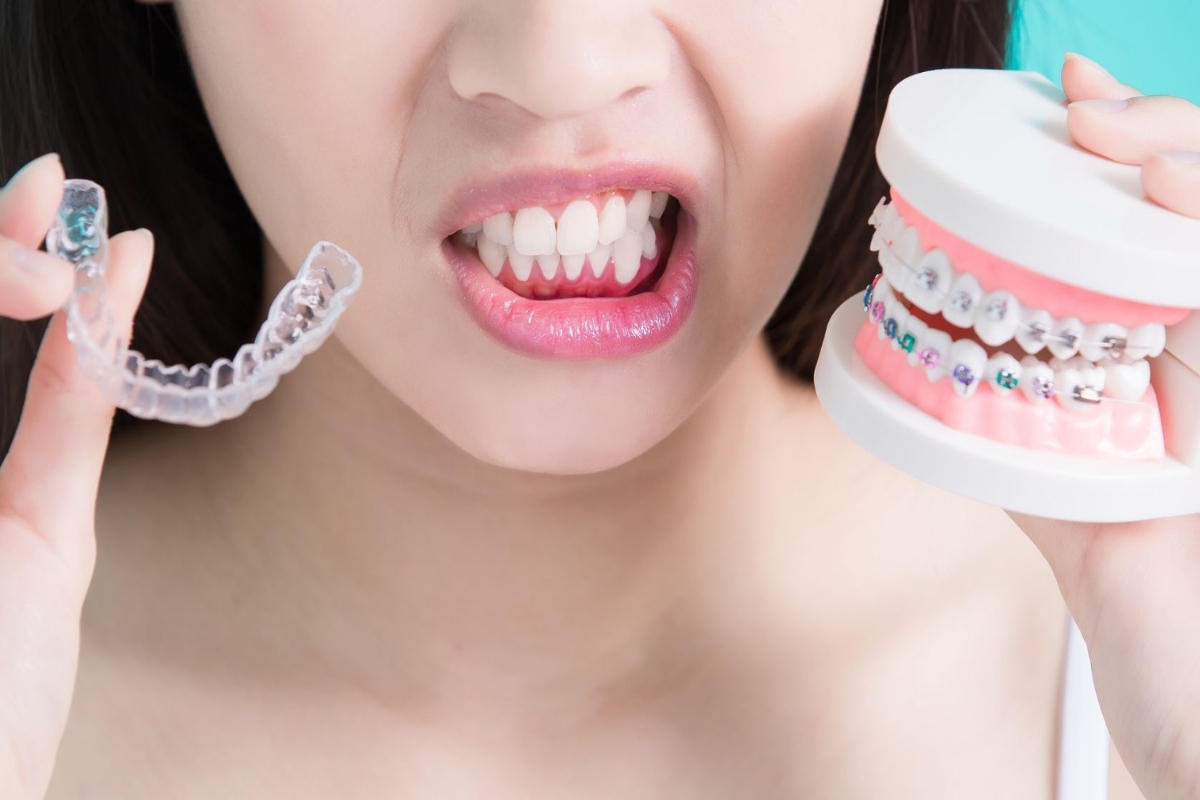





So, you’ve finally decided to take the plunge and get that Hollywood smile. You’re picturing the “after” photo—perfectly straight teeth, newfound confidence, and maybe even a little less time spent fumbling with filters. But then, you hear it from a friend or see a meme about the dreaded “adjustment day,” and you start to wonder: Is my mouth about to become a construction zone?
We get it. The prospect of discomfort is the #1 reason people hesitate to get orthodontic treatment. But here’s the secret: understanding the “why” behind the ache actually makes the process much easier to manage.
In this guide, we’re going to break down the science of why braces hurt, back it up with the latest dental data, and give you a survival kit to keep you comfortable. Whether you’re a parent of a pre-teen or an adult finally investing in yourself, let’s get you prepared for the journey to a straighter smile.
The Surprising Numbers Behind Braces and Pain
Before we get into the why and the how to stop it, let’s look at what the data tells us:
- Braces are extremely common in the U.S. — an estimated 4 million Americans wear braces at any given time, including teens and adults alike.
- Pain from braces isn’t unusual — it’s expected. Studies show that 72%–95% of orthodontic patients report some pain during treatment, with most discomfort occurring during the first few days after application and adjustments.
- In clinical research, around 90% of patients say orthodontic treatment causes pain, and about 30% have considered stopping treatment early because of it.
- Nearly 39% of patients report pain after each orthodontic appointment, not just when braces are first applied.
In other words: braces discomfort is the rule, not the exception — but it’s also manageable and temporary. Keep reading to understand what’s really going on.
Why Braces Hurt: What’s Happening Inside Your Mouth
Braces Apply Pressure to Move Your Teeth
Dental Braces in Boca Raton work by applying constant, controlled pressure to your teeth, gradually guiding them into better alignment. That pressure doesn’t just affect the tooth — it affects the periodontal ligament (the connective tissue holding your teeth in place) and nearby bone. As your body responds and resculpts the bone, that sensation registers as soreness or tenderness.
This is similar to the soreness you might feel after a strenuous exercise — it isn’t damage, it’s adaptation.
Soft Tissues Need Time to Adjust
Your lips, cheeks, and tongue aren’t used to having metal brackets and wires in their space. They may get irritated, rubbed, or scratched — especially in the first week — until your mouth develops a natural callus and becomes more comfortable.
Adjustments Re-Start the Process
Every 4–8 weeks, you’ll visit your orthodontist for a tightening or adjustment. These tweaks reapply pressure to keep your teeth moving. But that renewed pressure can also bring back a few days of discomfort.
So if you thought it was over after the first week — nope. That tight feeling can happen periodically throughout your treatment.
How Long Does Bracing Pain Last?
Most people experience some level of discomfort for the first 4–7 days after getting braces or after an adjustment. The intensity usually peaks within the first 24–48 hours and gradually fades as your mouth adapts.
Between adjustments — when your braces aren’t freshly tightened — many people forget they’re even wearing them, with only occasional mild tenderness.
Proven Ways to Stop Bracing Pain (Real-World Solutions)
Here’s the good news. Even though pain is common, you don’t have to just “tough it out.” There are science-backed ways to reduce discomfort:
Eat Soft Foods (Especially Right After an Appointment)
Hard, chewy, or crunchy foods put more pressure on already tender teeth. Instead, choose soft options like:
- Yogurt
- Smoothies
- Mashed potatoes
- Scrambled eggs
- Soup
This gives your teeth a break while they adjust.
Apply Cold
A cold compress on your cheek or ice water in your mouth can numb pain and reduce inflammation — especially within the first couple of days after an adjustment.
Use Orthodontic Wax
Orthodontic wax is a small lifesaver. Apply it over brackets or wires that rub your cheeks or lips to reduce irritation and protect your soft tissues. It’s invaluable in the first weeks as your mouth toughens up.
Take Over-the-Counter Pain Relief
OTC pain relievers like ibuprofen (Advil) or acetaminophen (Tylenol) can help reduce soreness and inflammation. Always follow the label instructions and check with your orthodontist or doctor if you have questions.
Warm Saltwater Rinse
A warm saltwater rinse (½ teaspoon salt in a cup of warm water) can soothe irritated gums and help reduce swelling if you have mouth sores from your braces.
Stay Hydrated and Maintain Great Oral Hygiene
When your mouth is clean and hydrated, tissue heals faster, and irritation is less pronounced. Drink water often and keep brushing carefully around your brackets.
Massage Gums or Chew Bite Wafers
A gentle gum massage or the use of orthodontic bite wafers can stimulate blood flow, often reducing pressure and discomfort after an adjustment.
What Pain Shouldn’t Happen
Brace discomfort is normal, but sharp, persistent pain is not. If you have:
- severe pain that doesn’t improve after a few days
- unbearable pressure
- Sharp pain when biting that doesn’t fade,
- broken wires, or irritating metal poking you
…reach out to your orthodontist. These aren’t typical adjustment pains and likely need professional correction.
Why Pain Isn’t All Bad
Pain often means your braces are working. Your teeth need to shift, and that shift triggers the biological response that causes tenderness. But as the old saying goes, no pain, no gain might be actual here, because that temporary discomfort leads to long-term dental health and confidence.
And you’re not alone — the vast majority of people who get braces experience discomfort at some point, but most say the result is worth it.
Conclusion
Getting braces can hurt — often for the first few days after placement or adjustments — but it doesn’t have to be miserable. Most people feel only mild to moderate soreness, not extreme pain. With innovative strategies like soft foods, cold compresses, OTC relief, orthodontic wax, and good hygiene, you’ll be able to manage discomfort like a pro.
Pain doesn’t mean something’s wrong — it usually means your braces are doing precisely what they’re designed to do. But if the pain feels abnormal or persistent, talk to your qualified orthodontist in Boca Raton.
Your dream smile is closer than you think — and with the right approach, the pain along the way can be minimal and manageable.
Frequently Asked Questions
1. Do braces hurt more for adults or kids?
Research suggests adults may report pain slightly more often than kids, especially right after placement. However, pain levels vary widely, and your personal experience depends on pain tolerance and treatment complexity.
2. Should I take pain medicine before or after an adjustment?
Taking an OTC pain reliever about 30–60 minutes before an adjustment can help cut down soreness once pressure begins. Always follow label directions.
3. Does Invisalign hurt less than traditional braces?
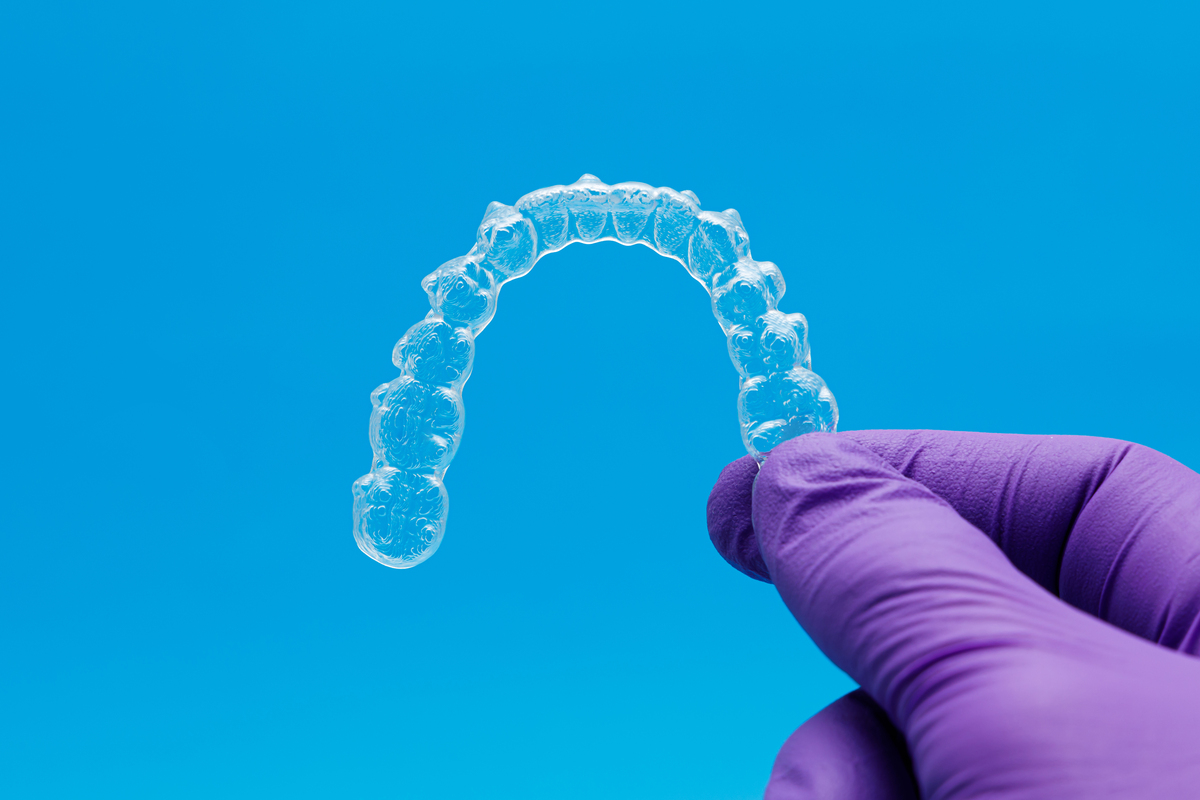
Removable aligners like Invisalign generally cause less soft tissue irritation, but they can still cause soreness as teeth shift. Everyone’s experience differs. (General clinical consensus.)
4. How long after an adjustment does the pain last?
Most people feel discomfort for about 2–4 days after an adjustment, with the most noticeable soreness occurring in the first 24–48 hours.
5. Can food choices really make a big difference?
Absolutely. Eating soft foods significantly reduces chewing strain on tender teeth, making the early days of each adjustment much more comfortable.