



Ever stood in front of the mirror, pulled back your lips, and wondered: “Is my smile a ‘train track’ situation or a ‘clear tray’ kind of deal?” If you’re weighing the pros and cons of traditional braces versus Invisalign, you’re not alone. In fact, you’re part of a massive movement. As of 2026, the global clear aligner market is projected to reach over $5.5 billion, driven by a 30% growth rate in patient adoption. But here’s the kicker: while everyone wants the “invisible” look, your orthodontist is looking at much more than just aesthetics.
They are essentially the “engineers of the mouth,” and deciding between these two tools is a clinical calculation. So, how do they actually make the call? Let’s dive into the data-backed reality of how orthodontists decide which path will lead you to a perfect 20/20 smile.
What Are Braces and Invisalign?
Before we talk decision-making, let’s define the stars of the show:
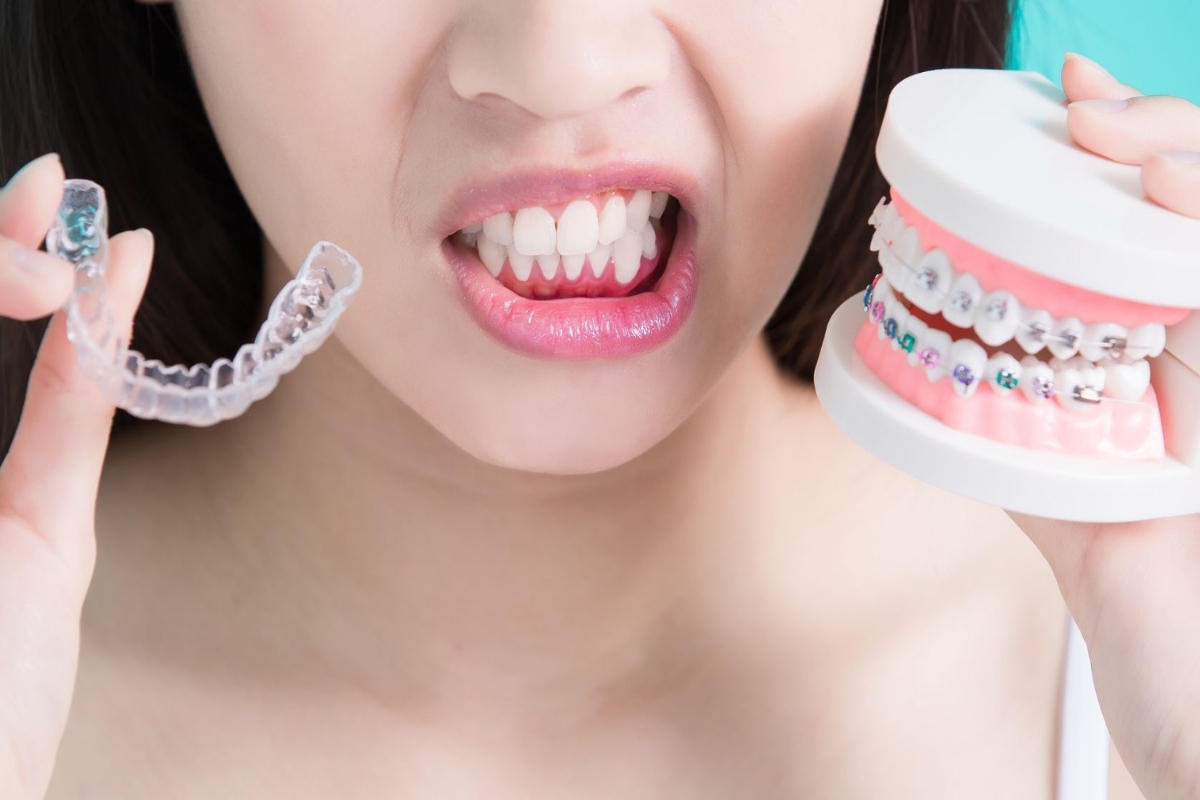
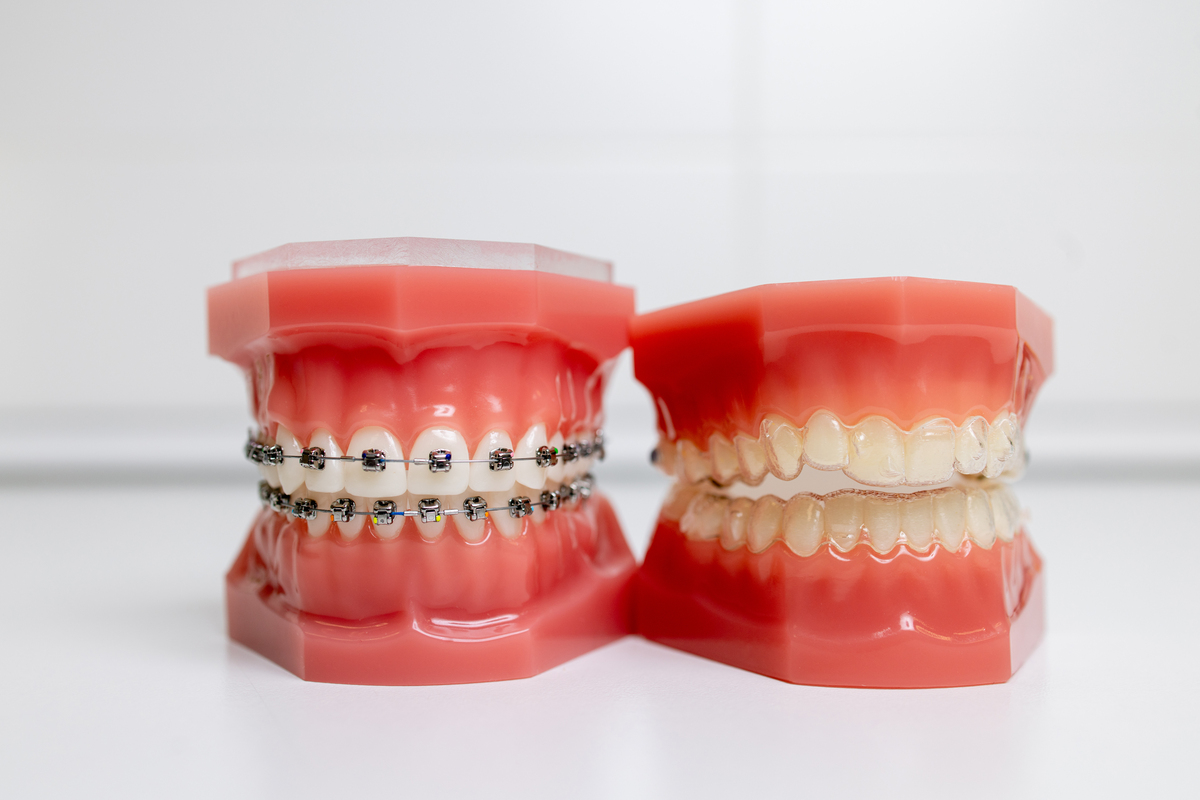
- Traditional Braces: Braces use brackets and wires that are fixed to the teeth and adjusted over time to shift your bite and alignment. They’ve been the orthodontic standard for decades and are highly effective across a wide range of cases.
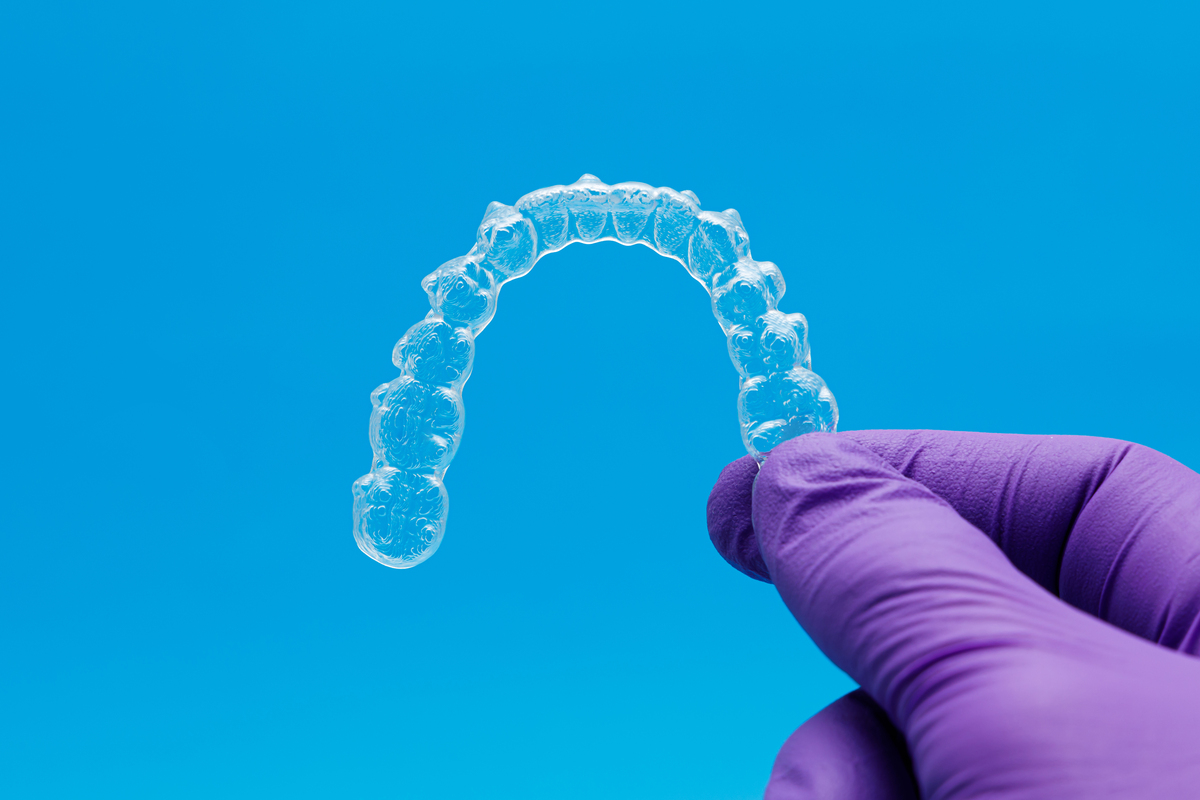
- Invisalign Clear Aligners: Invisalign uses custom-made, clear plastic trays that you remove to eat or brush your teeth. Aligners are replaced every 1–2 weeks to gently move your teeth throughout treatment.
Both methods straighten smiles, but each has unique strengths that influence an orthodontist’s recommendation.
How Orthodontists Decide: The Big 7 Factors
Orthodontists look at six major areas when deciding whether braces or Invisalign will work best for you:
- The Complexity Equation
- The “Compliance” Variable
- Treatment Speed and Efficiency
- Age, Lifestyle, & Personal Preferences
- Insurance Considerations
- Comfort, Compliance, & Oral Hygiene
- Long-Term Stability
The Complexity Equation
The most significant factor in the decision-making process is the complexity of your malocclusion (the alignment of your bite).
While Invisalign technology has advanced rapidly, traditional braces remain the “gold standard” for severe cases. According to a study published in the Journal of the American Dental Association, braces are still slightly more effective at achieving precise “occlusal stability” in complex cases, showing a greater percentage reduction in PAR (Peer Assessment Rating) scores than aligners.
Orthodontists typically recommend braces for:
- Severe Rotations: If a tooth is rotated more than 20 degrees, aligners struggle to “grab” and turn it.
- Large Gaps: Closing spaces larger than 6mm usually requires the constant, focused force of brackets.
- Vertical Adjustments: Moving a tooth up or down in the jaw is significantly more difficult with plastic trays.
The “Compliance” Variable
Here is where the data gets personal. Invisalign is only effective if you wear it. Orthodontists use a “compliance assessment” during your first consultation to see if you’re a good candidate for a removable appliance.
- The 22-Hour Rule: For Invisalign to work, it must be worn 20 to 22 hours per day.
- The Risk: Studies indicate that patient satisfaction is high (92% for aligners vs. 76% for braces), but if those trays aren’t in your mouth, the treatment duration can skyrocket.
If an orthodontist senses that a patient (especially a busy teen or a forgetful adult) might struggle to keep the trays in, they will likely recommend braces. Braces are “compliance-free” because they are bonded to your teeth; they work 24/7 without you having to think about it.
Treatment Speed and Efficiency
There is a common myth that Invisalign is always faster. The data shows a more nuanced reality. In 2025-2026, data suggest that for mild to moderate cases, Invisalign can achieve results in as little as 6 to 12 months, whereas traditional braces typically take 18 to 24 months.
However, for complex structural changes, braces finish 0.4 years earlier on average than aligners because they provide more direct control over tooth roots. Your orthodontist reviews your X-rays to determine which treatment will get you to the finish line the fastest.
What Orthodontists Consider
Orthodontists evaluate your goals and schedule:
- Do you have a special event coming up?
- Are you committed to wearing aligners as directed?
- Do you want predictable timing?
If timing is critical, braces may be recommended even if Invisalign could theoretically work.
Age, Lifestyle, & Personal Preferences
Teens vs Adults
- Many teens and kids still get braces — especially if compliance is a concern. Adults, meanwhile, often prefer Invisalign for its discreet appearance.
Professional & Social Lifestyle
Invisalign’s biggest selling point is that it’s nearly invisible — a huge plus for adults concerned about aesthetics. Orthodontists know that patients who feel good about their treatment are more likely to stick with it.
Insurance Considerations
Money matters — and orthodontists talk about it openly.
Insurance often covers both treatments similarly, though coverage limits can vary. Many orthodontic practices also offer payment plans to make treatment more manageable.
Good to Know
Because Invisalign requires custom-fabricated trays, some clinics may quote higher prices — but recent market competition has narrowed that gap, and in many cases, both treatments cost effectively the same.
Comfort, Compliance, & Oral Hygiene
Comfort is a real day-to-day decision point.
Invisalign Perks
- Removable — eat and brush comfortably.
- No food restrictions.
- Easier daily hygiene — less plaque buildup.
- Fewer emergency visits (up to 80% less than braces).
Braces Realities
- Metal wires and brackets can irritate lips and cheeks.
- Hard and sticky foods need to be avoided.
- Oral hygiene requires more diligence.
That said, braces are fixed — meaning the orthodontist controls the movement, and compliance isn’t dependent on the patient remembering to wear aligners.
Long-Term Stability
Both braces and Invisalign produce excellent final results when done correctly. Traditional braces may have a slight edge in long-term stability in severe cases, but this difference is small and often outweighed by the benefits of aligners for simpler cases.
Orthodontists also plan retention strategies (such as retainers) after both treatments to help preserve your smile long after the wires or trays come off.
What Orthodontists Actually Tell Their Patients
Here’s a real-world breakdown of how a professional might frame the decision:
- “If your case is mild-to-moderate and you want discretion and comfort, Invisalign could be ideal.”
- “If your bite is complex or you have rotation/bite issues, braces might be more efficient and predictable.”
- “If you’re not comfortable wearing something removable for 22 hours per day, braces ensure treatment progress.”
There’s no one-size-fits-all answer. That’s why consultations, digital scans, and individualized evaluations are essential.
Tech & Orthodontics
Invisalign today isn’t your grandparents’ aligner system. With digital 3D scanning and predictive modeling, orthodontists can plan tooth movements with impressive precision — sometimes even simulating your final result before treatment begins.
Likewise, braces have evolved with ceramic options and self-ligating (low-friction) designs that improve comfort and efficiency.
Conclusion
Deciding between braces and Invisalign isn’t just about picking the “prettiest” option—it’s about picking the right tool for the job. While Invisalign offers a 92% satisfaction rate and faster results for simple cases, traditional braces remain the powerhouse for complex dental engineering. Your local certified orthodontist in Boca Raton balances your clinical needs, your budget, and your lifestyle habits to recommend the best path forward.
Modern orthodontics offers effective tools, including braces and clear aligners. What matters most is choosing the right tool for your unique smile.
If you’re considering treatment, the best step is to get a professional consultation — where an orthodontist can analyze your dental structure, show you digital predictions, and recommend a personalized plan.
Frequently Asked Questions
1. Are braces more effective than Invisalign?
Both are highly effective. Braces may be slightly more predictable for complex cases, while Invisalign works exceptionally well for mild to moderate alignment.
2. Is Invisalign faster than braces?
In many mild or moderate cases, Invisalign treatment can be completed faster — sometimes by several months — but this depends on compliance and case specifics.
3. How long do I need to wear Invisalign each day?
Most orthodontists recommend wearing your aligners 20–22 hours per day for optimal results.
4. Does insurance cover Invisalign like braces?
Many U.S. dental plans cover Invisalign and braces similarly, though coverage varies by policy. Ask your orthodontist to verify before starting.
5. What if I start with Invisalign but switch to braces later?
It’s possible. If treatment stalls or your orthodontist determines braces are more suitable, switching can be an option — but it’s best to choose the right approach from the start.