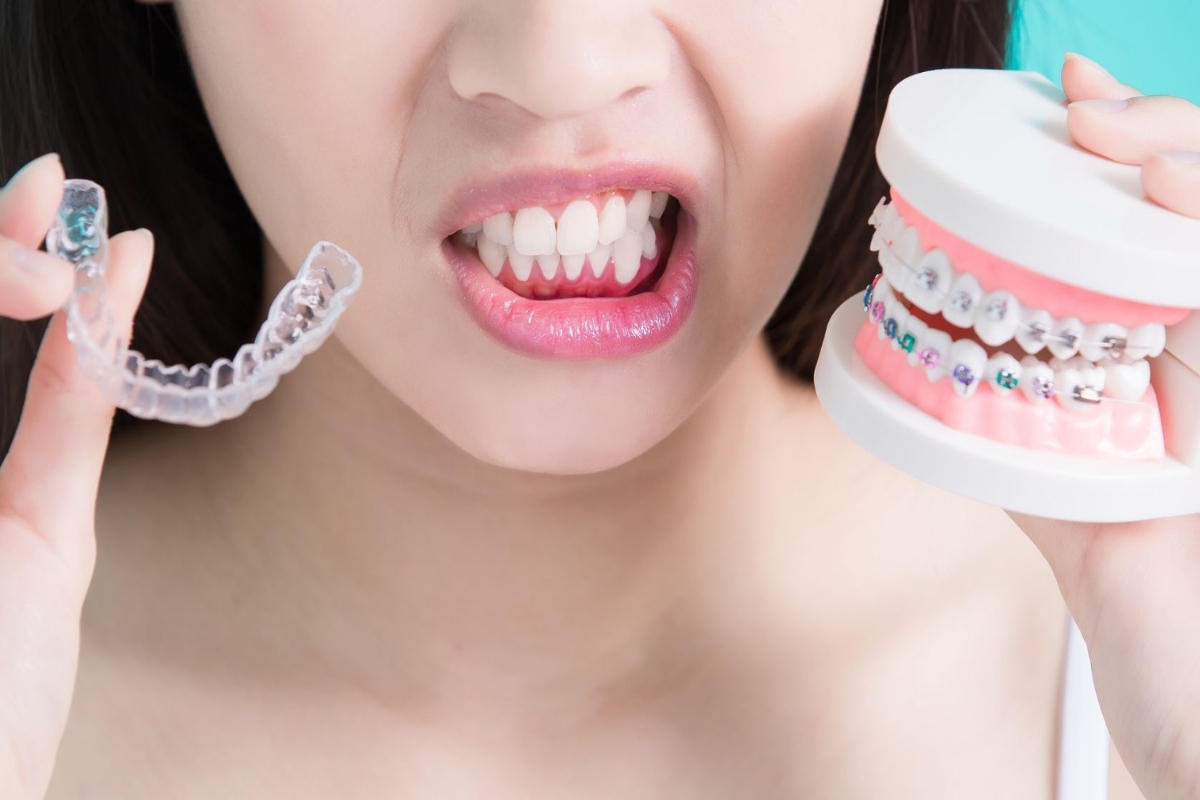





If you are considering invisible braces for crowded teeth or bite problems, one of the first questions you probably have is simple: “Will it hurt?”
The truth is that almost every orthodontic treatment causes some level of pressure or discomfort because teeth must gradually move into new positions. However, many patients wonder whether invisible braces hurt more when teeth are severely crowded or when bite issues like overbites, underbites, or crossbites are involved.
The good news is that modern invisible braces are designed to improve comfort compared to traditional metal braces. Still, patients with more complex orthodontic problems may experience stronger pressure during certain stages of treatment because larger tooth movements are required.
Across the United States, clear aligners and invisible braces have become increasingly popular among teens and adults who want straighter teeth without noticeable metal brackets. According to the American Association of Orthodontists, nearly 4 million Americans are currently receiving orthodontic treatment.
As technology advances, invisible braces can now treat many moderate and even complex orthodontic issues. Understanding how discomfort works during treatment can help patients feel more prepared and confident before starting care.
What Are Invisible Braces?
Invisible braces usually refer to clear orthodontic systems designed to straighten teeth discreetly.
These may include:
- Clear aligners
- Ceramic braces
- Nearly invisible orthodontic trays
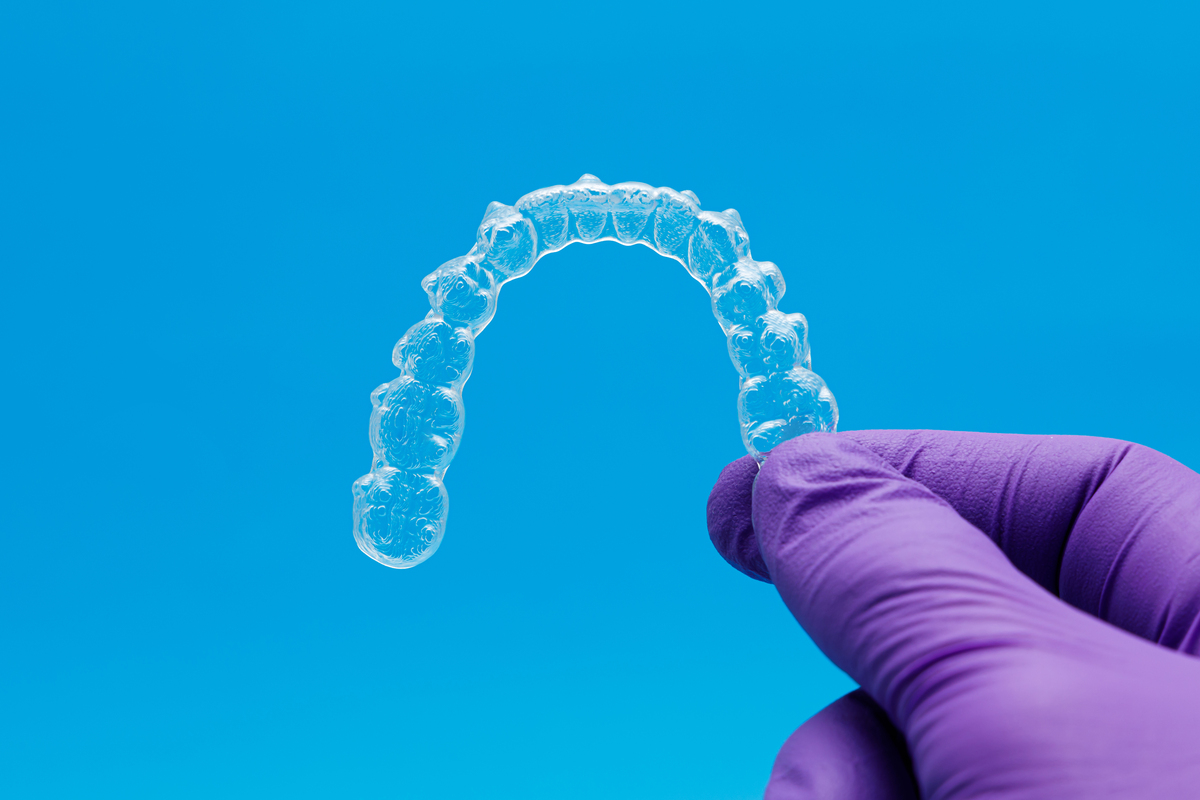
The most common type today is clear aligner therapy, in which patients wear transparent, removable trays that gradually move teeth into proper alignment.
Invisible braces are often used to treat:
- Crowded teeth
- Gaps between teeth
- Overbites
- Underbites
- Crossbites
- Open bites
- Mild to moderate crooked teeth
Because the aligners apply controlled pressure to shift teeth, some soreness is expected during treatment.
Why Orthodontic Treatment Causes Discomfort
Orthodontic treatment works by applying gentle pressure to teeth over time.
This pressure stimulates changes in the surrounding:
- Bone
- Ligaments
- Gum tissue
As teeth move, the body naturally remodels the bone around them.
This process may cause:
- Mild soreness
- Pressure sensation
- Tooth sensitivity
- Temporary discomfort while chewing
The discomfort is typically a sign that the aligners or braces are working properly.
Research published in orthodontic journals shows that most patients experience the greatest discomfort during the first few days after starting treatment or switching to a new aligner tray.
Do Crowded Teeth Make Invisible Braces Hurt More?
In many cases, yes—crowded teeth can increase discomfort during the early stages of orthodontic treatment.
Why Crowded Teeth Create More Pressure
When teeth overlap or twist into abnormal positions, orthodontists must apply pressure to:
- Rotate teeth
- Create space
- Shift roots
- Expand arches
More movement often means stronger pressure sensations initially.
Patients with severe crowding may notice:
- Tightness around multiple teeth
- Tenderness when biting
- Increased soreness after tray changes
However, the discomfort is usually temporary and improves as the teeth begin to align.
How Common Are Crowded Teeth?
Crowding is one of the most common orthodontic problems in the United States.
The National Institute of Dental and Craniofacial Research identifies malocclusion, including crowding, as one of the most prevalent oral health concerns among children and adults.
Crowded teeth can also increase the risk of:
- Plaque buildup
- Cavities
- Gum disease
- Difficulty flossing
This is one reason orthodontic treatment provides both cosmetic and health benefits.
Do Bite Problems Cause More Pain With Invisible Braces?
Bite issues may also increase treatment discomfort because correcting the jaw relationship often requires more complex tooth movement.
Common Bite Problems Include:
- Overbite
- Underbite
- Crossbite
- Open bite
Correcting these issues sometimes involves:
- Rubber bands
- Tooth attachments
- Precision aligner movements
- Longer treatment timelines
Because the bite is actively shifting during treatment, some patients notice:
- Jaw soreness
- Pressure while chewing
- Temporary speech changes
- Tooth sensitivity
Fortunately, this discomfort is usually manageable and temporary.
Are Invisible Braces Less Painful Than Metal Braces?
Many patients report that invisible braces are generally more comfortable than traditional metal braces.
Reasons Include:
- Smooth plastic material
- No sharp wires
- No metal brackets rubbing cheeks
- More gradual force application
A study comparing clear aligners and traditional braces found that patients with clear aligners often reported lower levels of oral irritation and discomfort.
However, discomfort levels still vary depending on:
- Severity of crowding
- Bite complexity
- Pain tolerance
- Compliance with aligner wear
When Is the Pain Usually Worst?
Most patients experience discomfort during specific phases of treatment.
1. First Week of Treatment
The mouth needs time to adjust to the pressure of tooth movement.
Patients may feel:
- Tightness
- Tooth tenderness
- Mild headaches
- Pressure while chewing
2. Switching to New Aligners
Each new tray continues the tooth movement process.
Mild soreness for 1–3 days after switching trays is common.
3. Bite Correction Stages
Patients undergoing treatment for overbites or crossbites may feel additional pressure as their jaw alignment changes.
4. Attachment Placement
Some invisible brace systems use small tooth-colored attachments that help move teeth more efficiently.
Teeth may feel more sensitive after attachment placement.
What Does Invisible Braces Pain Feel Like?
Most patients describe invisible braces discomfort as:
- Pressure rather than sharp pain
- Tightness around teeth
- Mild soreness when chewing
- Temporary sensitivity
Severe pain is uncommon and should be evaluated by an orthodontist if it occurs.
Many patients adjust within several days after each new aligner stage.
How Long Does the Discomfort Last?
For most patients:
- Mild discomfort lasts 2–5 days
- Pressure decreases as teeth adapt
- Sensitivity becomes less noticeable over time
Interestingly, many patients report that later stages of treatment feel easier than the beginning because the mouth adapts to orthodontic movement.
Factors That Influence Pain Levels
Not every patient experiences invisible braces the same way.
Several factors affect discomfort levels.
- Severity of Crowding: More severe crowding often requires larger initial tooth movements.
- Complexity of Bite Problems: Jaw alignment correction may create additional pressure.
- Age: Adults sometimes report slightly greater sensitivity because bone remodeling may occur more slowly than in teens.
- Compliance: Patients who frequently remove aligners for long periods may experience increased soreness when reinserting them.
- Individual Pain Tolerance: Every patient responds differently to orthodontic pressure.
How Orthodontists Reduce Discomfort During Treatment
Modern orthodontics focuses heavily on patient comfort.
Orthodontists may reduce pain by:
- Planning gradual tooth movement
- Using advanced digital scanning
- Customizing aligner staging
- Monitoring progress carefully
Today’s aligner technology enables more precise, controlled force distribution than older orthodontic systems.
Tips To Reduce Invisible Braces Pain
Most of the discomfort from invisible braces can be managed easily at home.
Wear Aligners Consistently
Removing aligners too often may worsen soreness when putting them back in.
Orthodontists usually recommend:
- 20–22 hours daily wear
Switch Trays at Night
Many patients prefer starting new trays before bedtime, so initial soreness occurs during sleep.
Use Cold Water
Cold water may help soothe inflamed tissues and reduce discomfort.
Eat Soft Foods Temporarily
During sensitive periods, softer foods may feel more comfortable.
Examples include:
- Yogurt
- Soup
- Mashed potatoes
- Smoothies
- Pasta
Use Orthodontic Wax if Needed
Although less common with invisible braces, attachments may occasionally irritate soft tissues.
Over-the-Counter Pain Relief
Dentists may recommend nonprescription pain relievers when appropriate.
Patients should always follow medical guidance regarding medications.
Are Invisible Braces Worth It for Crowded Teeth and Bite Problems?
For many patients, absolutely.
Orthodontic treatment offers benefits beyond aesthetics.
Correcting crowding and bite issues may help improve:
- Oral hygiene
- Chewing efficiency
- Speech
- Jaw comfort
- Tooth wear prevention
- Long-term dental health
Research consistently shows that untreated malocclusion may contribute to oral health complications over time.
Temporary discomfort is often considered worthwhile compared to the long-term benefits of improved alignment.
Can Severe Bite Problems Still Be Treated With Invisible Braces?
Modern aligner systems can now treat many moderate and complex orthodontic issues.
However, severe skeletal bite problems may still require:
- Traditional braces
- Orthognathic surgery
- Combined orthodontic treatment
An Orthodontist in Boca Raton consultation helps determine the most appropriate treatment option.
Choosing the Right Orthodontist Matters
Not all invisible braces treatments are equally effective.
Choosing an experienced orthodontist can improve:
- Treatment comfort
- Efficiency
- Bite correction success
- Long-term stability
Look for an orthodontic office that offers:
- Digital 3D scanning
- Customized treatment planning
- Experience treating crowding and bite issues
- Ongoing progress monitoring
Proper treatment planning reduces unnecessary discomfort and improves overall outcomes.
Conclusion
Invisible braces do not necessarily hurt more with crowded teeth and bite problems, but patients with more complex orthodontic issues may experience stronger pressure during certain stages of treatment. The discomfort usually reflects healthy tooth movement and gradually improves as the teeth align.
Compared to traditional braces, invisible braces often provide a more comfortable experience because they use smooth materials and controlled force systems. Although mild soreness is common—especially during the first week or after switching trays—most patients adapt quickly.
The long-term benefits of correcting crowded teeth and bite problems often far outweigh the temporary discomfort. Improved oral health, easier cleaning, better chewing function, and increased confidence make invisible braces a valuable investment for many teens and adults across the United States.
Frequently Asked Questions
1. Do invisible braces hurt more if teeth are severely crowded?
Patients with severe crowding may initially experience greater pressure because larger tooth movements are required, but the discomfort is usually temporary.
2. How long does pain last after switching Invisalign trays?
Most patients experience mild soreness for 2–5 days after changing to a new tray.
3. Are invisible braces less painful than metal braces?
Many patients find invisible braces more comfortable because there are no metal wires or brackets irritating the mouth.
4. Can invisible braces fix bite problems like overbites and crossbites?
Yes. Modern clear aligner systems can correct many mild-to-moderate bite problems through customized treatment planning.
5. What helps reduce discomfort from invisible braces?
Consistent aligner wear, switching trays at night, eating soft foods temporarily, and using cold water may help reduce soreness during treatment.