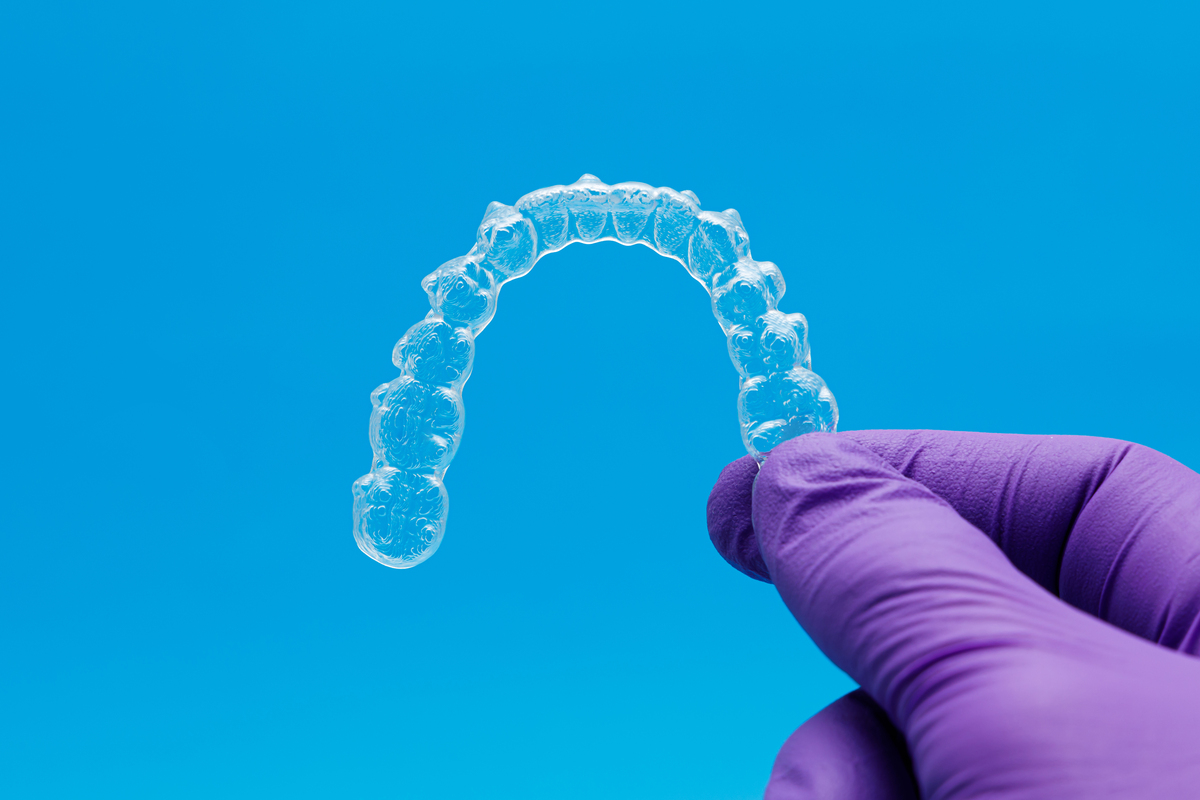




Hey, future smile-star! So, you’ve decided on the clear, discreet path to straight teeth with Invisalign. Congratulations! But now you’re holding those aligners and wondering: How do I possibly fit my meals, my coffee, and my life into that 22-hour wear time?
You’re not alone. Balancing comfort, food enjoyment, and strict compliance is the trifecta of a successful Invisalign journey. The key to a smooth, efficient treatment isn’t just the technology—it’s your routine. Let’s break down the data-backed strategies to help you conquer the ‘Invisalign Life’ right here in the U.S.
Comfort: Minimizing Discomfort for Maximum Compliance
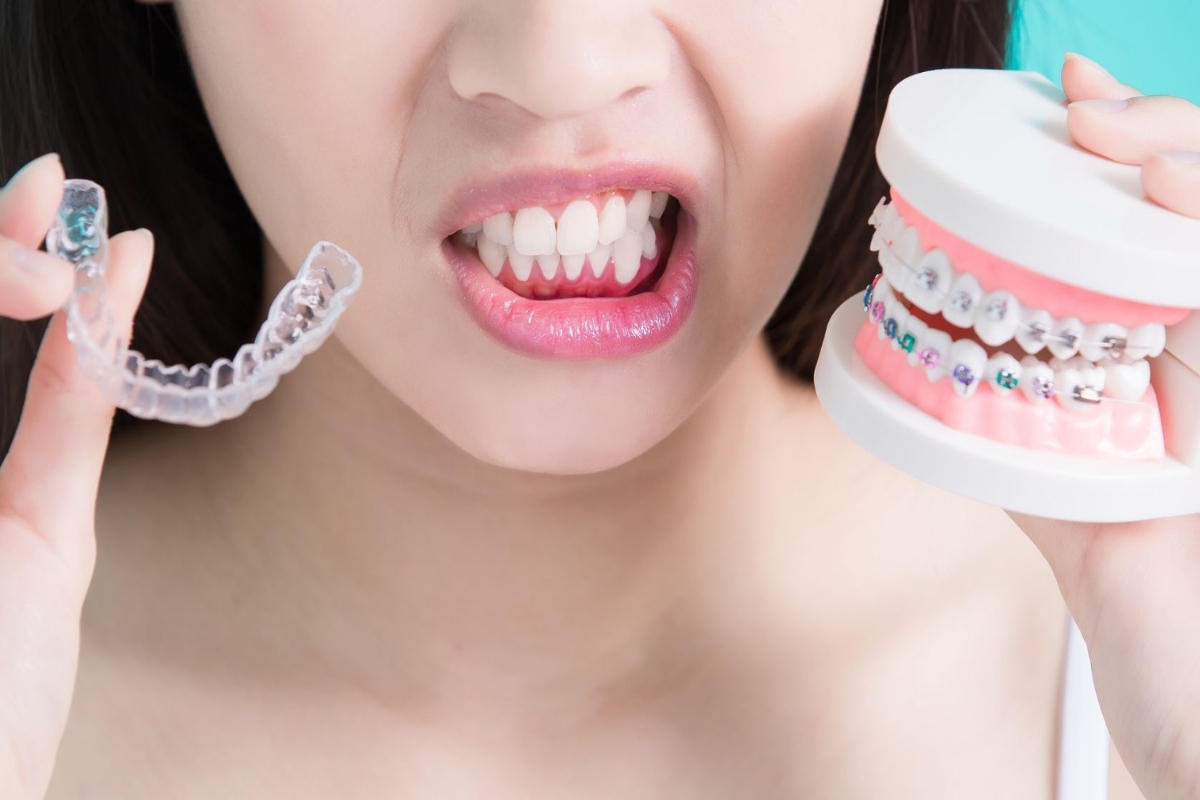
One of the top reasons patients choose Invisalign is comfort. In fact, studies have shown that traditional braces are approximately 25% more painful than Invisalign aligners during the first week of treatment, particularly when chewing. However, any orthodontic treatment involves some soreness, especially when you switch to a new set of trays.
Data-Driven Comfort Strategies:
- Switch Aligners at Night: A highly recommended trick is to switch to your new aligners right before bed. This allows your teeth to adjust during your most extended period of continuous wear (sleep), letting you rest through the initial, most intense pressure phase.
- Embrace Soft Foods Initially: After switching to a new tray, your teeth will be sensitive. For the first 1–3 days, stick to a soft diet (smoothies, yogurt, mashed potatoes). This reduces the strain on your teeth and can help with overall comfort.
- Strategic Pain Relief: For the first few hours after a new tray is inserted, you may use over-the-counter pain relievers, such as acetaminophen or ibuprofen, to manage discomfort. Some patients intentionally take a dose about an hour before inserting the new aligners to help manage discomfort preemptively.
Wear Time: Hitting the Critical 22-Hour Mark
This is the golden rule: for the aligners to effectively move your teeth, they must be worn for 20 to 22 hours per day [3]. This leaves a narrow 2- to 4-hour window for eating, drinking only water, and performing all necessary oral hygiene.
Why 22 Hours is Non-Negotiable
Orthodontic movement relies on continuous, gentle pressure. Research consistently shows that inadequate wear time severely compromises results:
- Patients wearing aligners for less than 18 hours daily experience an inefficient and unpredictable bone remodeling process.
- Patients who only achieve 16-18 hours of daily wear may see their overall treatment time extended by an average of 4.2 months and may have a 34% higher chance of requiring additional refinement aligners.
- Conversely, patients who achieve 22 hours of daily wear show optimal treatment outcomes with a minimal risk of complications.
Mastering Your Schedule:
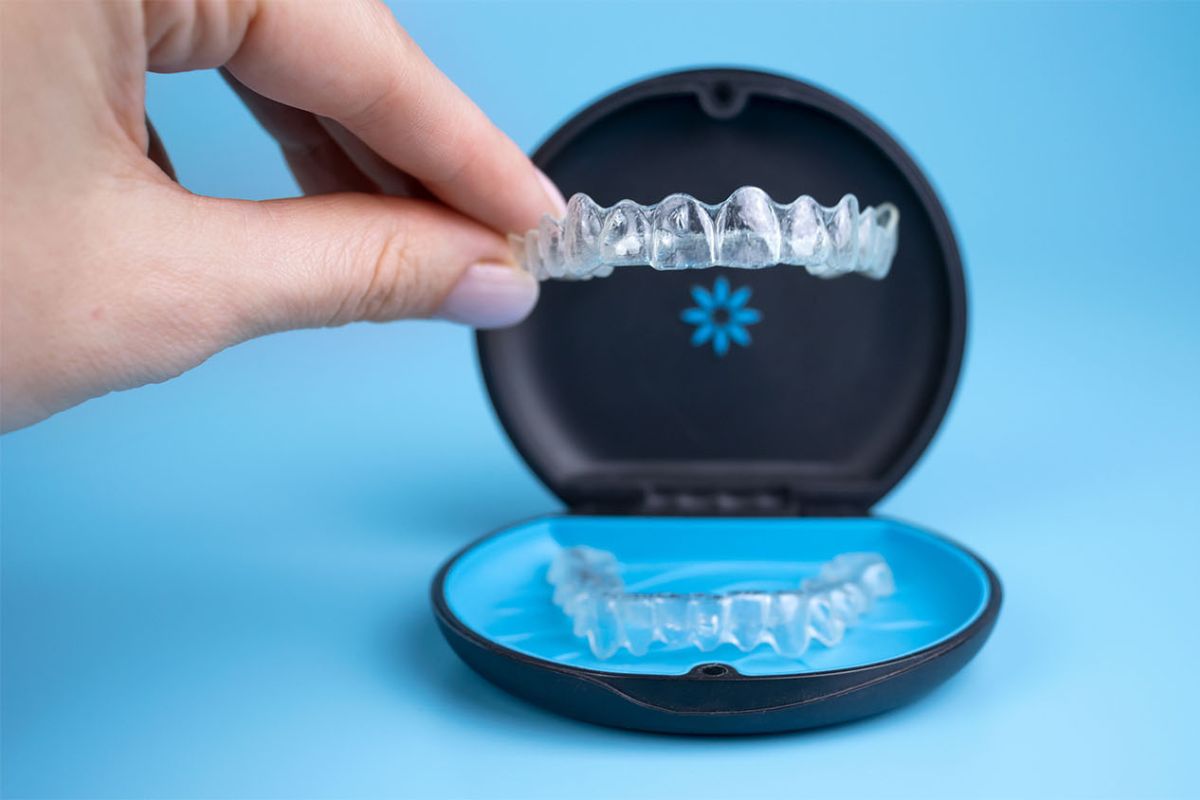
- The Power of the Case: Never, ever take your aligners out without putting them directly into their case. Aligners lost in a napkin are a costly and time-wasting error that compromises your wear time.
- Consolidate Your Meals: Limit your eating time by consolidating meals and snacks. Instead of six small grazing sessions, try to stick to three main meals (breakfast, lunch, dinner) and perhaps one quick, scheduled snack. This structured approach makes it easier to track your “aligner-out” time.
- Use a Tracker App: Many patients successfully use the My Invisalign mobile app or a simple phone timer to keep track of their aligner-out time, ensuring they stay within the recommended daily limit of 2-4 hours.
Eating & Drinking: Maximizing Mealtime Efficiency
The need to remove aligners for all food and most drinks is the most significant lifestyle change, but it’s crucial. Why? Eating with them in can damage the plastic, and any liquid other than plain water can seep underneath, staining your aligners and teeth or causing decay.
Common trade-offs (comfort vs. wear time vs. eating)
- Comfort: Most patients report only mild, short-lived discomfort with aligners, and numerous studies have found that clear aligners produce less pain than fixed braces in the days immediately following adjustments. Expect pressure for a few days when you change to a new tray.
- Eating: Aligners must be removed for meals and when consuming anything other than plain water. Eating with aligners risks damage, staining, and food getting trapped, which can increase the risk of cavities. Removing them temporarily is fine — but every minute out of your mouth lowers your daily wear time.
- Compliance drift: Many patients start strong but gradually wear aligners less over months. Studies show an apparent decrease in compliance over time unless it’s actively managed. That slip is the primary reason treatment timelines are extended.
Practical daily routine to hit 20–22 hours without pain or frustration
- Use fixed “wear windows” for meals
- Plan to remove aligners for two main meals (say 30–45 minutes each) and a short snack window (10–15 minutes). If you keep meals to ~90 minutes total, you can still meet 21–22 hours wear. This simple scheduling prevents scattered, unrecorded gaps. (Exact times vary by lifestyle — aim for ≤2 hours total out-of-mouth per day.)
- Prep before eating
- Rinse or brush your teeth before reinserting aligners to avoid trapping food or sugar against your enamel. Even a brief 30-second brush or rinse can reduce bacterial transfer. Cleaning prevents staining and decay.
- Handle discomfort proactively
- Expect pressure for 24–72 hours after switching to a new tray. Over-the-counter acetaminophen or ibuprofen (per label/advice from your dentist) typically handles this. If soreness lasts longer or is severe, contact your provider — it may indicate an ill-fitting tray or unforeseen issue. Studies have found that aligner pain tends to be milder than that of braces and is usually transient.
- Keep spares and a carry kit.
- Carry a small case, a travel toothbrush, and a napkin. If you can’t brush, at least rinse with water immediately and reinsert as soon as possible. A lost or damaged tray means lost treatment time (and possibly replacement costs).
- Set reminders and track time.
- Use alarms, habit apps, or the reminders some dentists/aligner apps provide. Tracking helps prevent the “just this snack” problem that eats away at wear hours. Studies have shown that technology and reminders can improve compliance.
- Cleaning routine for aligners
- Clean aligners daily. Research-backed methods include gentle brushing with a soft brush (approximately 30 seconds) and non-abrasive toothpaste, or periodic immersion in effervescent cleaning tablets, as directed by the manufacturer. Proper cleaning reduces biofilm, staining, and odor.
Real-world numbers you can use
- Recommended wear: 20–22 hours/day (aim for 21+ to be safe).
- Typical discomfort: Most people report pressure or mild soreness for a few days after a tray change. Clear-aligner studies consistently show lower early pain scores compared to fixed braces. Expect adaptation within a week for many.
- Compliance trend: research shows wearing time tends to drop over months unless reinforced with education, reminders, or monitoring — plan for ongoing motivation.
When to call your orthodontist/dentist
- If a tray is persistently painful beyond a week.
- If a tray cracks or deforms, remove and contact the office — replacements may be needed.
- If you notice increased staining, bad breath, or sensitivity, it could be due to trapped food/biofilm; your provider will advise on cleaning or replacement.
Quick checklist — morning / after meals/night
- Morning: Rinse, put in aligners, log start time.
- After meals: Remove, brush/rinse your teeth, clean your aligners briefly, replace them, and log the reinsertion time.
- Night: Clean aligners thoroughly and store them in their case. (Aim to be in aligners within ~60 minutes after finishing dinner.)
The Bottom Line
Achieving a successful Invisalign treatment relies on your commitment to wearing the aligners for 20–22 hours daily. The minor discomfort of a new tray is a temporary signal that your treatment is on track, and strategic eating ensures you get the fuel you need without derailing your progress. By prioritizing your wear time, consolidating your meals, and preemptively managing discomfort, you will unlock the full, predictable potential of your clear aligner journey.
Frequently Asked Questions (FAQs)
1. What happens if I consistently wear my aligners for less than 20 hours a day?
Consistently wearing them for less than 20 hours can significantly slow down your progress, potentially leading to a 47% slower tooth movement rate and a much higher chance of your teeth “not tracking” with the aligners, forcing you to extend your overall treatment time.
2. Can I chew gum while wearing my Invisalign aligners?
No. Chewing gum can stick to the aligner material, potentially pulling it out of shape or causing it to adhere to your teeth and aligners, which can trap bacteria and delay the effectiveness of your treatment. Always remove your aligners to chew gum (which should ideally be sugar-free).
3. How long should I wait after eating before putting my aligners back in?
Ideally, brush and floss your teeth immediately before reinserting your aligners. If you cannot brush immediately, at least rinse your mouth and the aligners thoroughly with plain water to remove food particles and saliva, and then brush as soon as possible.
4. Will drinking sparkling water or seltzer water with my aligners damage them?
While plain water is the only truly safe drink, sparkling water and seltzer contain carbonic acid. Although minimal, consistent exposure to this acid trapped beneath the aligner could potentially erode your tooth enamel over time. It is safest to remove your aligners for flavored or carbonated beverages.
5. Why do my teeth feel more sensitive after switching to a new tray?
The mild soreness or sensitivity, particularly during the first few days of a new aligner, is a sign that the aligners are applying the necessary, gentle pressure to move your teeth according to your treatment plan. This discomfort is temporary and typically subsides within 48 to 72 hours as your teeth adjust.