



When most people think of dental braces, the first thing that comes to mind is straight teeth. But aligning the smile is only part of the story. One of the most important and often overlooked benefits of orthodontic treatment is its ability to correct bite and jaw alignment issues.
Whether you’re dealing with an overbite, underbite, or jaw discomfort, dental braces play a critical role in restoring proper function to your bite and promoting long-term oral health. Understanding how braces work can help you make informed decisions about your dental care.
How Dental Braces Address Bite and Jaw Alignment
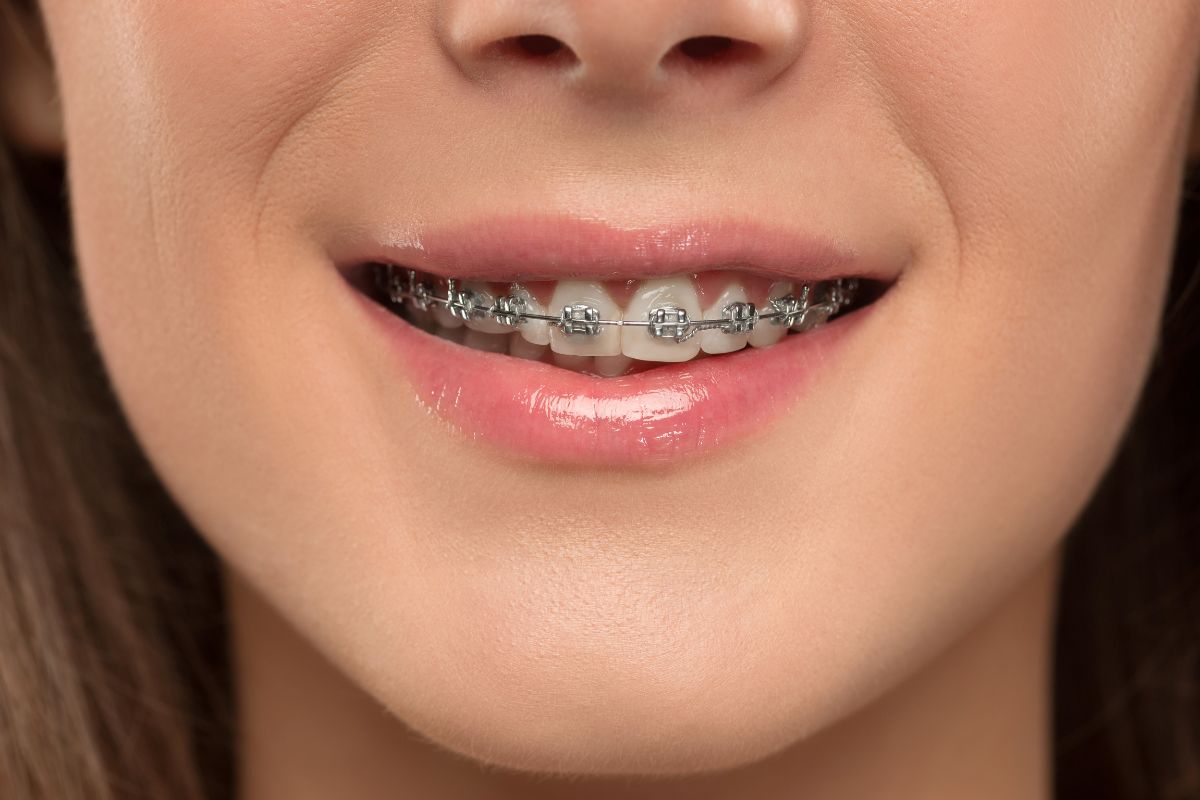
Dental braces are engineered to apply consistent, controlled pressure to the teeth and jaws over time. This process gradually moves teeth into their ideal positions while also guiding the growth and alignment of the jaw when needed.
Here’s how braces specifically help improve both bite and jaw positioning:
1. Aligning the Bite for Optimal Function
One of the primary goals of orthodontic treatment is to bring the upper and lower arches into correct alignment. Dental braces reposition the teeth so they meet evenly when the mouth is closed, allowing the bite to distribute force equally across all teeth. This helps minimize strain on individual teeth and reduces the risk of chipping, grinding, or long-term joint damage.
2. Correcting Jaw Position Over Time
In moderate to severe cases, dental braces can help shift the jaw into better alignment. This is typically accomplished through the use of orthodontic elastics (rubber bands), expanders, or functional appliances that guide jaw movement. These tools work in conjunction with braces to encourage proper bone development and muscular balance, particularly in younger patients whose jaws are still growing.
3. Supporting TMJ Health
A poorly aligned bite can place excessive strain on the temporomandibular joint (TMJ), which connects the jawbone to the skull. This can lead to symptoms like clicking, popping, jaw fatigue, and chronic headaches. Braces help stabilize the bite and reduce stress on the TMJ, promoting better joint function and improved comfort over time.
What Happens When the Bite and Jaw Are Misaligned?
Bite and jaw misalignment can stem from genetics, early childhood habits, injury, or irregular tooth development. These conditions are more than cosmetic, they can directly impact chewing efficiency, cause chronic discomfort, and place unnecessary stress on the jaw joints and supporting muscles.
Common types of misalignment include:
- Overbite: Upper front teeth extend too far over the lower teeth
- Underbite: Lower teeth protrude in front of the upper teeth
- Crossbite: Some upper teeth sit inside the lower teeth when biting down
- Open bite: Upper and lower teeth do not make contact when the mouth is closed
Left untreated, these issues may lead to jaw pain, headaches, excessive tooth wear, speech difficulties, and even digestive problems due to inefficient chewing.
Long-Term Benefits of Bite and Jaw Correction
Investing in orthodontic treatment isn’t just about straighter teeth, it’s about creating a healthier, more functional bite that supports overall well-being. Some of the long-term benefits of bite and jaw alignment include:
- Efficient chewing and digestion: A well-aligned bite ensures food is broken down properly, making digestion easier and more effective.
- Lower risk of dental damage: Even force distribution across the teeth helps prevent premature wear, chips, and fractures.
- Fewer headaches and jaw issues: Balanced jaw alignment reduces strain on muscles and joints, lowering the risk of TMJ disorders.
- Improved oral hygiene: Straight teeth are easier to clean, which means fewer places for plaque to hide and less chance of decay or gum disease.
- Better speech clarity: Certain speech patterns rely on correct tooth positioning; once the bite is aligned, articulation often improves.
Types of Dental Braces: Options Available
At a professional orthodontic practice like Statler Orthodontics in Boca Raton, patients have access to a full range of treatment options designed to address bite and jaw concerns:
- Metal braces – Strong, reliable, and effective for complex cases
- Ceramic braces – Blend with natural tooth color for a less noticeable look
- Clear aligners – Removable and discreet, ideal for milder bite corrections
Each plan is customized based on the patient’s unique dental anatomy, lifestyle, and treatment goals. A comprehensive evaluation by a trained orthodontist ensures the most effective, comfortable, and lasting results.
When Is the Right Time to Address Bite and Jaw Issues?
The ideal age for orthodontic evaluation is around 7 years old, when developmental issues can be identified early. However, adults of all ages can benefit from bite correction, it’s never too late to improve jaw function and oral health.
Signs you may need orthodontic attention include:
- Difficulty biting or chewing
- Jaw clicking or popping
- Uneven tooth wear
- Chronic jaw pain or headaches
- Misaligned or shifting teeth
If you recognize any of these symptoms, it’s worth seeking an expert opinion. Identifying bite and jaw problems early makes treatment more effective and can prevent long-term complications.
Conclusion
Correcting bite and jaw alignment is about more than just aesthetics, it’s a vital step toward improved comfort, oral function, and long-term dental health. Dental braces offer a proven, effective way to address these concerns and create a more stable and balanced smile.
Whether you’re exploring treatment for yourself or your child, understanding the relationship between the bite, jaw, and braces can help you make informed, confident choices about your care. If you are concerned about bite alignment or jaw discomfort, schedule an appointment.