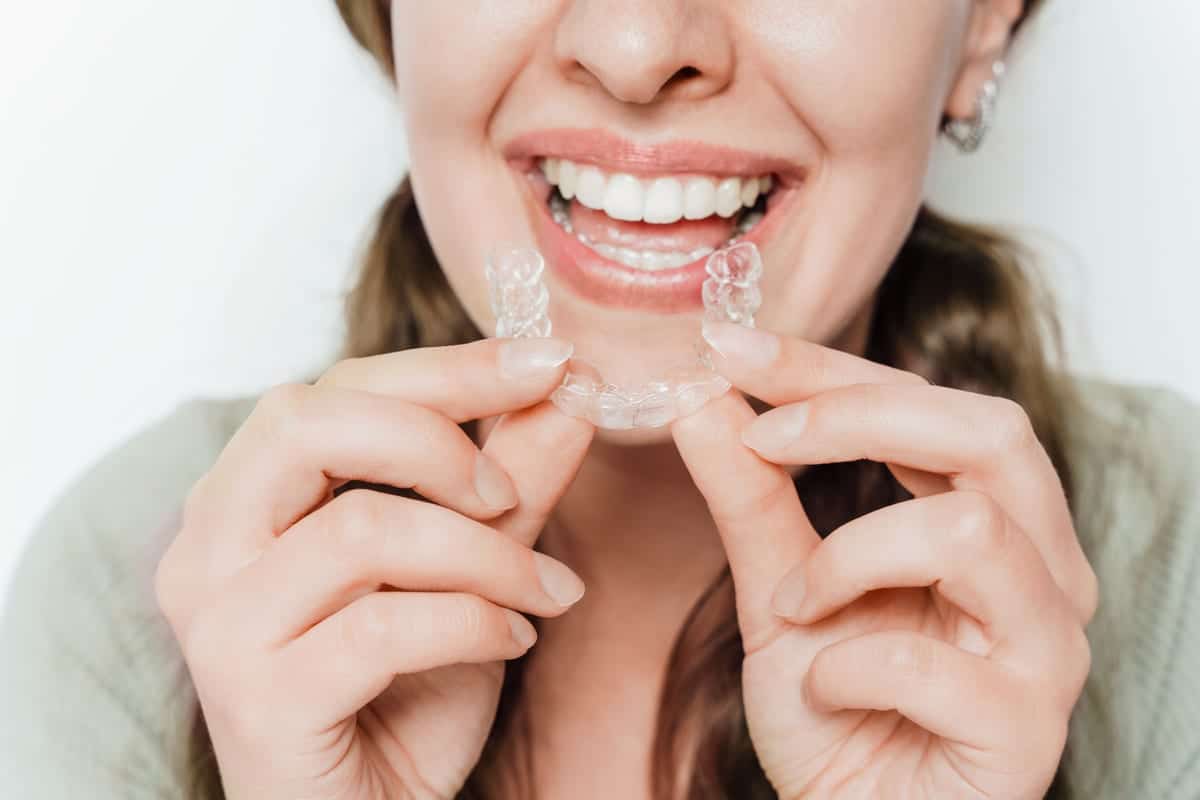




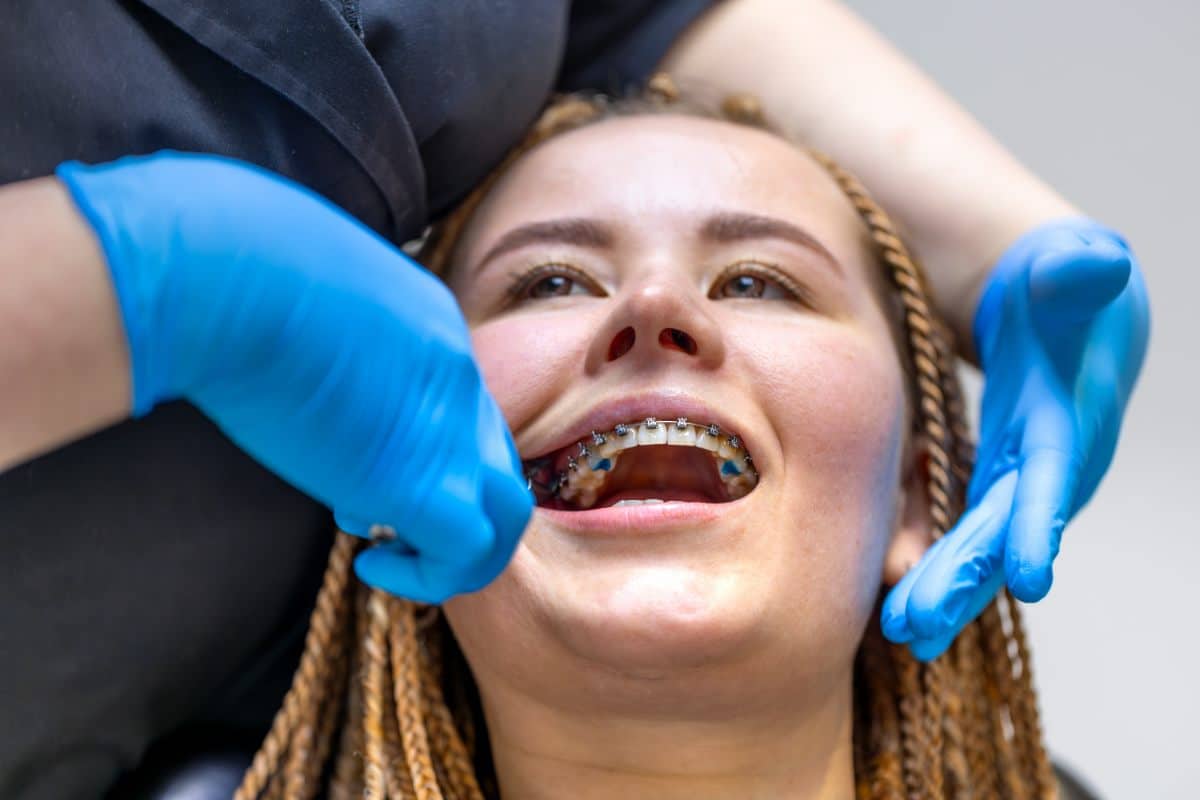
Does taking a sip of ice water make your teeth ache? Do your teeth feel tender when you bite into a sandwich, or do they become uncomfortable after an orthodontic adjustment? If you wear braces in Boca Raton, Florida, these sensations can make you wonder whether your treatment is progressing normally or something else is happening.
Tooth sensitivity during orthodontic treatment can have several causes. Some patients experience temporary pressure and tenderness as their teeth begin moving, while others notice discomfort from irritated gums, enamel problems, cavities, or exposed tooth roots. Knowing the difference can help you decide when home care is enough and when you should contact your orthodontist.
At Statler Orthodontics, Dr. Jennifer Statler helps patients understand what to expect during orthodontic treatment and why new symptoms deserve attention. Although mild, temporary soreness is common after braces are placed or adjusted, persistent or sharp sensitivity should not automatically be attributed to orthodontic movement.
This guide explains why teeth may feel sensitive with braces, what research says about orthodontic discomfort, how to manage symptoms, and when to seek professional advice.
Why Do Teeth Feel Sensitive When You Have Braces?
Dental Braces in Boca Raton apply controlled forces to guide teeth into planned positions. These forces affect the periodontal ligament, the tiny structure connecting each tooth to the surrounding bone. As teeth move, the body remodels the surrounding bone, allowing gradual changes in tooth position.
This process can temporarily make teeth tender, especially when you bite or chew. The sensation is often described as pressure, aching, or soreness rather than the brief, sharp pain associated with certain forms of dental sensitivity.
Several factors may explain your symptoms.
1. Your Teeth Are Responding to Orthodontic Pressure
When braces start moving your teeth, the periodontal ligament responds to the force applied. Changes in this tissue trigger a biological response that supports tooth movement. During this adjustment period, your teeth may feel tender when you chew or bite down.
This discomfort is generally temporary. However, soreness varies from person to person, depending on the treatment stage, the forces applied, and individual sensitivity.
2. You Have Recently Had Your Braces Adjusted
After an orthodontic adjustment, your braces may apply a new pattern of force to your teeth. As your teeth respond, you may notice renewed tenderness or sensitivity.
A 2023 systematic review and meta-analysis examined 37 randomized clinical trials involving 2,277 patients receiving fixed orthodontic appliances. On a visual analog pain scale, average reported pain reached 42.4 millimeters on the first day. By the end of the first week, the average had decreased to 9.0 millimeters.
These results describe average pain levels across the included studies, not what every patient will experience. They nevertheless show that orthodontic discomfort commonly peaks early and decreases over the following days.
3. Your Teeth Feel Sensitive When You Bite
If your teeth feel tender when you chew, orthodontic pressure may be causing the discomfort. Even foods that normally feel easy to eat can become uncomfortable shortly after an adjustment.
Try softer foods temporarily and avoid biting directly into hard or crunchy items. If chewing pain is severe, affects only one tooth, or becomes worse instead of improving, contact your orthodontist. A loose bracket, an appliance problem, or an unrelated dental condition may need attention.
4. Your Brackets or Wires Are Irritating Your Mouth
Sometimes the discomfort you interpret as tooth sensitivity actually comes from the soft tissues surrounding your teeth. Brackets can rub against your cheeks and lips, while a protruding wire can irritate your gums or create a sore spot.
Orthodontic wax can help create a protective barrier over an irritating bracket or wire. However, it will not repair a damaged appliance. Contact your orthodontist if a wire is poking you, a bracket is loose, or irritation continues.
The American Association of Orthodontists (AAO) explains that discomfort can occur when braces are first placed or adjusted and that persistent or severe pain deserves professional attention.
Is Braces-Related Sensitivity Different From Ordinary Tooth Sensitivity?
Yes. Understanding the type of discomfort you experience can help your orthodontist identify the likely cause.
- Orthodontic tenderness often feels like pressure or aching across several teeth. It may be more noticeable when you chew or bite and often occurs after braces are placed or adjusted.
- Temperature sensitivity can cause a sharp sensation when you drink something hot or cold. Several factors can cause this, including exposed dentin, enamel wear, cavities, gum recession, or a damaged tooth.
- Sensitivity to sweet or acidic foods may also indicate exposed dentin, enamel problems, or tooth decay. Braces do not automatically explain every new sensitivity symptom.
According to the American Dental Association’s MouthHealthy resource, dentin lies beneath enamel and contains microscopic channels that can transmit sensations toward the tooth’s nerve. When dentin loses its protective covering, temperature and other stimuli may cause discomfort.
If your teeth react sharply to cold water, stay painful after the stimulus is gone, or hurt consistently in one area, don’t assume the cause is simply your braces. A dental examination may be necessary.
Can Braces Affect the Nerves Inside Your Teeth?
Teeth contain dental pulp, which includes nerves and blood vessels. Orthodontic tooth movement can temporarily affect how the pulp responds to certain tests, although this does not mean that braces routinely damage tooth nerves.
A 2023 systematic review and meta-analysis examined the relationship between orthodontic tooth movement and dental pulp sensitivity. The researchers initially identified 1,110 records and included 17 studies in the qualitative analysis. Their findings suggested that orthodontic movement can affect pulp sensitivity during active treatment and, to a lesser extent, afterward.
However, the researchers noted limitations in the available evidence, including the moderate risk of bias in many studies and limited long-term data. These findings should not be interpreted as evidence that ordinary sensitivity means a tooth has suffered permanent damage.
If you experience unusual or persistent sensitivity, Dr. Jennifer Statler or your dental provider can help determine whether it is consistent with orthodontic treatment or requires further evaluation.
How Can You Reduce Tooth Sensitivity While Wearing Braces?
Although you cannot eliminate every sensation associated with tooth movement, several practical steps may make treatment more comfortable.
Choose Soft Foods Temporarily
When your teeth feel tender, select foods that require less chewing. Options include:
- Yogurt and soft cheese
- Scrambled eggs
- Oatmeal and soft-cooked cereal
- Mashed potatoes
- Soft pasta
- Smoothies without hard pieces
- Cooked vegetables and tender fish
Cut foods into small pieces and chew gently. Avoid hard candy, ice, sticky sweets, and other foods that may damage brackets or wires. As your mouth heals, gradually return to your usual braces-friendly diet.
Use a Soft-Bristled Toothbrush
Good oral hygiene remains important throughout orthodontic treatment in Boca Raton. Food and plaque can accumulate around brackets and along the gumline, increasing the risk of cavities and gum inflammation.
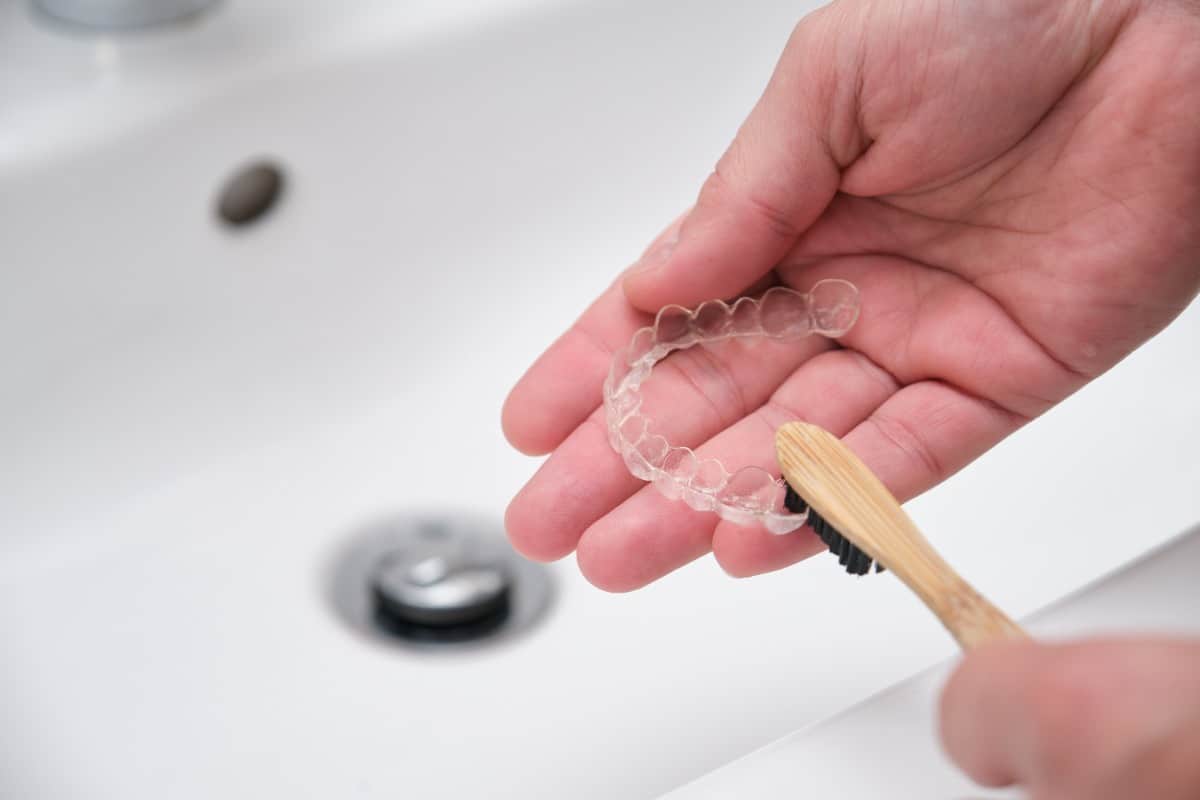
Brush gently with a soft-bristled toothbrush and fluoride toothpaste. Clean around each bracket and along the gumline, and use an orthodontic brush or interdental cleaner when appropriate. Continue cleaning between your teeth as your dental team recommends.
Avoid scrubbing aggressively, because excessive pressure can irritate the gums and contribute to enamel wear over time.
Consider Toothpaste for Sensitive Teeth
If hot or cold foods trigger your discomfort, a desensitizing toothpaste may help if exposed dentin is the cause. These products generally require repeated use before you notice full benefit.
However, they do not treat every cause of sensitivity. If you suspect a cavity, cracked tooth, or gum problem, toothpaste alone isn’t a substitute for an exam.
Ask your dentist or orthodontist which product is right for your situation, especially if sensitivity has recently started or is worsening.
Try Cold Foods or a Cool Compress
Cool water or a cold, soft food may soothe some patients experiencing general orthodontic soreness. You can also apply a cool compress to the outside of your cheek for short periods.
Avoid extremely cold foods if temperature triggers your sensitivity. Comfort measures should be adjusted to what feels helpful rather than forcing you to tolerate a painful sensation.
Ask Before Taking Pain Medication
Some patients benefit from over-the-counter pain medication after braces are placed or adjusted. However, the appropriate medication depends on your age, medical history, allergies, other medications, and individual circumstances.
Follow the product label and ask a healthcare professional if you are unsure what is safe for you. Do not exceed the recommended dose or give adult medication to a child without appropriate guidance.
If the discomfort is severe, lasts longer than the expected adjustment period, or keeps returning without an obvious reason, contact your orthodontist instead of relying on pain medication alone.
How Can You Prevent Sensitivity From Getting Worse?
Not all sensitivity can be prevented, because some tenderness is part of the tooth-movement process. Nevertheless, good habits can help protect your teeth throughout treatment.
- Keep up with your appointments. Regular orthodontic visits allow your orthodontist to monitor tooth movement, check your appliance, and address problems before they become more disruptive.
- Maintain your daily cleaning routine. Braces make plaque removal more challenging. Brush twice daily with fluoride toothpaste and clean between your teeth every day, following your dental team’s recommendations.
- Limit frequent acidic drinks. Soft drinks, sports drinks, and frequent exposure to acidic beverages can contribute to enamel erosion. Drink water regularly and follow your dentist’s advice to protect your enamel.
- Avoid using your teeth as tools. Do not bite pens, chew ice, or use your teeth to open packages. These habits can damage teeth and orthodontic appliances.
- Report new symptoms promptly. A loose bracket, broken wire, or sudden change in tooth sensitivity should be discussed with your orthodontic team. Early evaluation can help identify the cause and determine the right response.
When Should You Contact Your Orthodontist About Sensitive Teeth?
Mild tenderness after braces are placed or adjusted that gradually improves over several days is often expected. Still, contact your orthodontist if you are unsure about your symptoms or if they interfere with eating, sleeping, or daily activities.
Arrange a prompt dental evaluation if you notice:
- Sharp or persistent pain in one tooth
- Sensitivity that is worsening rather than improving
- Pain that continues after hot or cold food has been removed
- Swelling, a pimple-like bump on the gums, or pus
- A loose bracket or wire that is causing discomfort
- A tooth that feels unusually painful when biting
Facial swelling accompanied by fever, rapidly worsening symptoms, or difficulty opening your mouth may require urgent assessment. Difficulty breathing or swallowing is an emergency and requires immediate medical care.
Remember that braces-related soreness and dental disease can sometimes feel similar. Your orthodontist may recommend an examination or coordinate with your general dentist to identify the source.
What to Expect During an Orthodontic Evaluation
When you contact Statler Orthodontics about tooth sensitivity, explain when the symptoms began, whether they followed an adjustment, and whether hot, cold, sweet foods, or chewing make the discomfort worse.
Your orthodontic team can check whether the appliance is contributing to the problem. Depending on your symptoms, you may also need a dental examination to assess your enamel, gums, existing restorations, and other possible causes.
Treatment depends on the diagnosis. Temporary orthodontic tenderness may require reassurance and comfort measures, while a cavity, cracked tooth, gum condition, or damaged appliance may need specific care.
The goal is to understand what is causing the discomfort rather than assume that every symptom is a normal part of braces treatment.
Conclusion
Sensitive teeth during braces treatment can result from normal orthodontic pressure, recent adjustments, or irritation from brackets and wires. Research involving 2,277 patients found that average pain after fixed orthodontic appliances were placed peaked on the first day and decreased substantially by the end of the first week. However, individual experiences can vary, and persistent or sharp sensitivity should not be ignored.
You can often manage temporary tenderness with soft foods, gentle brushing, appropriate comfort measures, and advice from your orthodontic team. If you have ongoing temperature sensitivity, pain in one tooth, swelling, or worsening symptoms, schedule a professional evaluation to rule out other dental problems.
Dr. Jennifer Statler and the team at Statler Orthodontics can help you understand your orthodontic concerns and the next steps in your care.
Visit our dental practice in Boca Raton, FL. Book now to schedule your appointment with our team.
Frequently Asked Questions
1. What orthodontic treatments are available at Statler Orthodontics?
Orthodontic treatment options may include traditional braces and clear aligners, depending on your needs and eligibility. Our orthodontist can evaluate your teeth and bite and explain which options best fit your treatment goals.
2. How often should I visit the orthodontist during treatment?
Appointment frequency depends on your appliance, treatment plan, and progress. Our orthodontist will recommend a schedule to monitor tooth movement, check your braces or aligners, and make adjustments when needed.
3. What should I do if my braces cause discomfort?
Mild soreness can occur after placing or adjusting braces. If symptoms are severe, persistent, or worsening, our orthodontist can recommend ways to manage discomfort and check for problems.
4. Can adults receive orthodontic treatment?
Yes. Adults can often be treated with braces or clear aligners, depending on their dental health, bite, and individual needs. Our orthodontist can assess your situation and discuss suitable options, likely treatment duration, and factors that may affect your results.
5. How can I schedule an orthodontic appointment in Boca Raton, FL?
Contact Statler Orthodontics to ask about appointment availability and the evaluation process. If you have tooth sensitivity or another orthodontic concern, describe your symptoms when you contact the office so our orthodontic team can advise you on the next step.