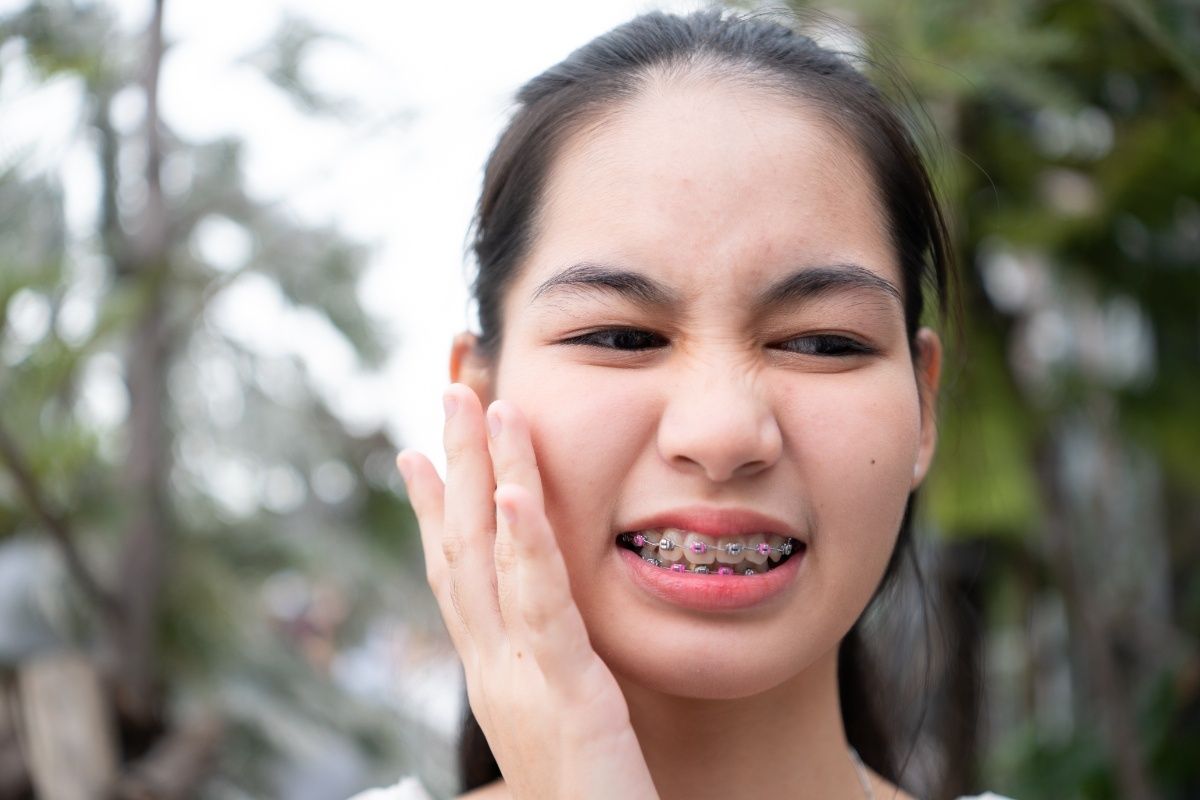




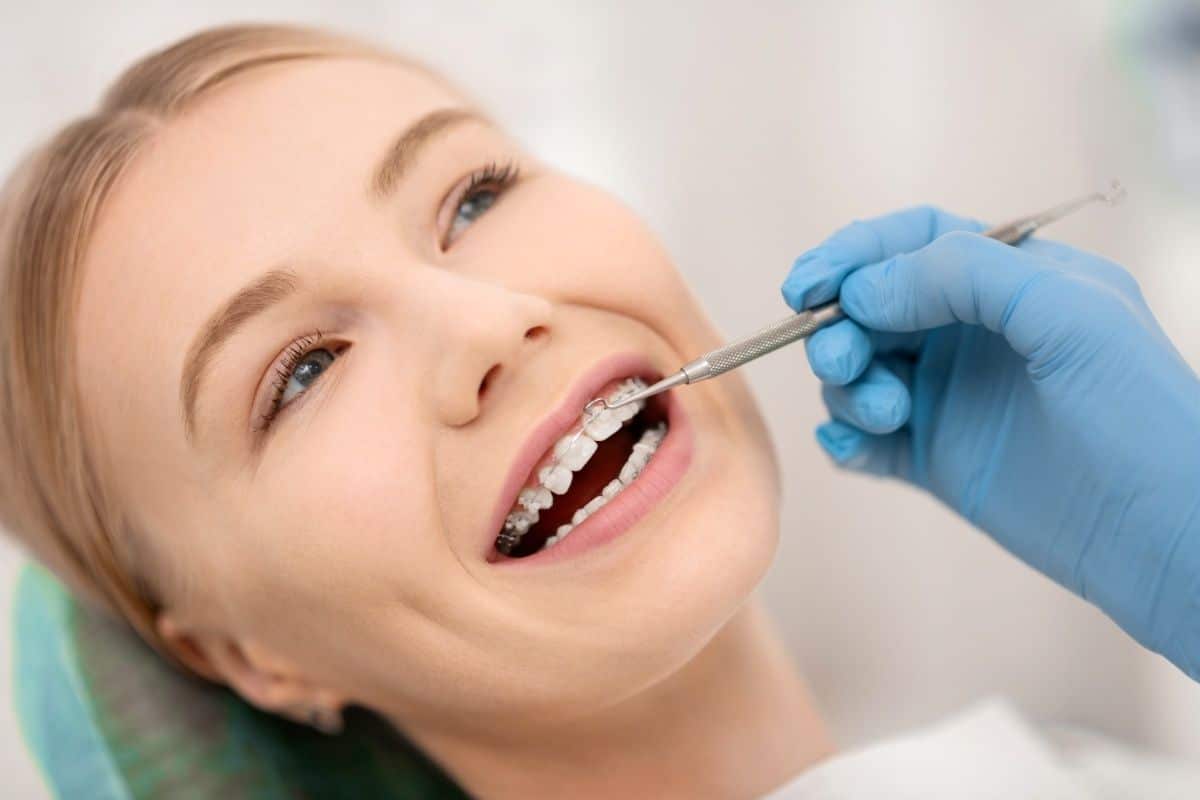
Have you recently gotten braces and found yourself wondering why your teeth suddenly feel sore when you bite into a sandwich or chew your favorite meal? Maybe you’ve just had your braces tightened, and now even soft foods seem uncomfortable.
If so, you’re not alone.
Braces are one of the most effective orthodontic treatments available, helping millions of Americans achieve healthier, straighter smiles. However, mild discomfort is a normal part of the process. The pressure that braces place on teeth allows them to gradually move into proper alignment, but this same pressure can temporarily cause soreness, tenderness, and irritation.
According to the American Association of Orthodontists (AAO), millions of patients in the United States receive orthodontic treatment every year. Research published in orthodontic journals shows that most patients experience some degree of discomfort after braces are first placed or adjusted, with symptoms typically peaking within the first 24 to 48 hours.
The good news is that braces pain is usually temporary and can often be managed effectively at home. From saltwater rinses and cold foods to orthodontic wax and proper nutrition, several simple remedies may help reduce discomfort while your teeth adjust.
In this guide, we’ll explore fast braces pain relief methods recommended by orthodontic professionals, discuss what causes braces discomfort, and explain when it’s time to contact your orthodontist.
Why Do Braces Hurt?
Understanding the cause of discomfort with braces can make the experience less stressful.
Dental Braces in Boca Raton work by applying continuous, controlled pressure to the teeth.
This pressure triggers a biological process known as bone remodeling.
As teeth move:
- Bone breaks down on one side
- New bone forms on the other side
- Teeth gradually shift into alignment
This process can temporarily create:
- Tooth soreness
- Jaw tenderness
- Gum sensitivity
- Pressure when chewing
Research published in the European Journal of Orthodontics indicates that discomfort generally peaks within 24–48 hours following orthodontic adjustments and improves over the next several days.
How Long Does Braces Pain Usually Last?
For most patients:
Initial Braces Placement
Discomfort often lasts:
- 3 to 7 days
Braces Tightening Appointments
Mild soreness may last:
- 1 to 5 days
New Elastics or Appliances
Symptoms often improve within several days.
According to orthodontic studies, most patients adapt quickly as treatment progresses.
Fast Home Remedies for Braces Pain Relief
1. Warm Saltwater Rinses
One of the simplest and most effective remedies is a warm saltwater rinse.
Saltwater helps:
- Soothe irritated tissues
- Reduce inflammation
- Promote healing
- Improve comfort
How to Use
Mix:
- 1 teaspoon of salt
- 8 ounces of warm water
Swish gently for 30 seconds before spitting out.
Repeat several times daily as needed.
Many orthodontists recommend saltwater rinses after adjustments because they are inexpensive, safe, and easy to use.
2. Apply Orthodontic Wax
Sometimes the pain isn’t coming from tooth movement.
Instead, brackets or wires may rub against:
- Cheeks
- Lips
- Gums
Orthodontic wax creates a protective barrier between braces and soft tissues.
Benefits
- Reduces friction
- Prevents sores
- Improves comfort while eating and speaking
Simply place a small amount of wax over the irritating bracket or wire.
3. Eat Cold Foods
Cold temperatures may help numb sensitive tissues.
Popular braces-friendly options include:
- Smoothies
- Yogurt
- Ice cream
- Pudding
- Applesauce
Cold foods may temporarily reduce inflammation and provide quick relief.
4. Drink Ice Water
A glass of cold water can provide immediate comfort for many patients.
Benefits include:
- Temporary numbing effect
- Hydration support
- Reduced tissue irritation
Unlike sugary beverages, water also supports oral health during orthodontic treatment.
5. Choose Soft Foods
Eating hard foods while your teeth are sore can increase discomfort.
Orthodontists often recommend:
Soft Foods
- Mashed potatoes
- Scrambled eggs
- Oatmeal
- Soup
- Pasta
- Cottage cheese
- Bananas
- Soft fish
These foods require less chewing and place less pressure on sensitive teeth.
Foods to Avoid During Braces Pain
Certain foods can make soreness worse.
Avoid:
Hard Foods
Examples:
- Ice
- Nuts
- Hard candy
- Pretzels
Crunchy Foods
Examples:
- Popcorn
- Tortilla chips
- Raw carrots
Sticky Foods
Examples:
- Caramel
- Taffy
- Chewing gum
These foods can increase discomfort and potentially damage braces.
6. Use Over-the-Counter Pain Relievers
For temporary discomfort, many patients use over-the-counter medications.
Examples include:
- Acetaminophen
- Ibuprofen (if appropriate and approved by your physician)
The American Dental Association (ADA) recognizes nonprescription pain medications as effective options for managing short-term dental discomfort.
Always follow label instructions and consult your healthcare provider if you have medical conditions or concerns.
7. Maintain Excellent Oral Hygiene
It may seem counterintuitive, but keeping your mouth clean can reduce irritation.
Plaque buildup can contribute to:
- Gum inflammation
- Increased sensitivity
- Oral discomfort
The ADA recommends:
- Brushing twice daily
- Flossing daily
- Cleaning around brackets carefully
Good oral hygiene supports healthier gums throughout treatment.
8. Use a Soft-Bristled Toothbrush
Brushing with a hard toothbrush may irritate sensitive tissues.
Soft-bristled toothbrushes:
- Reduce gum irritation
- Improve comfort
- Clean effectively
Many orthodontists specifically recommend soft brushes during treatment.
9. Stay Hydrated
Dry mouth can worsen irritation.
Drinking plenty of water helps:
- Wash away bacteria
- Support healthy tissues
- Improve comfort
The National Academies of Sciences recommends adequate daily fluid intake for overall health.
Water remains the best beverage choice for patients with braces.
10. Try Orthodontic Silicone Covers
Some orthodontic products are designed to temporarily cover brackets.
These products can:
- Reduce friction
- Protect soft tissues
- Improve comfort during sports or special events
Ask your local Boca Raton orthodontist whether these products may be appropriate for your situation.
11. Eat Nutrient-Rich Foods
Proper nutrition supports healing and tissue health.
Focus on foods rich in:
Calcium
Sources include:
- Milk
- Yogurt
- Cheese
Vitamin D
Supports calcium absorption.
Protein
Essential for tissue maintenance.
Vitamin C
Supports gum health and collagen production.
According to the National Institutes of Health (NIH), adequate nutrient intake plays an important role in oral and overall health.
12. Avoid Touching or Playing with Braces
Many patients unconsciously:
- Push brackets with their tongue
- Wiggle wires
- Bite on orthodontic components
These habits can:
- Increase irritation
- Damage appliances
- Delay treatment
Leaving braces alone helps reduce unnecessary discomfort.
Does Braces Pain Mean Treatment Is Working?
In many cases, mild soreness indicates that teeth are responding to orthodontic forces.
However:
- Severe pain is not required for successful treatment.
- Some patients experience very little discomfort.
- Every patient responds differently.
The goal of orthodontic treatment is controlled, gradual movement—not excessive pain.
How to Sleep Better When Braces Hurt
Nighttime discomfort can feel more noticeable because there are fewer distractions.
Helpful strategies include:
- Use a Comfortable Pillow: Proper head support may reduce jaw tension.
- Stay Hydrated: Dry tissues may feel more irritated.
- Use Wax Before Bed: Prevent bracket-related irritation while sleeping.
- Follow Recommended Pain Relief Measures: If approved by your healthcare provider, over-the-counter pain relief may improve sleep quality.
Common Braces Pain Myths
Myth: Pain Means Something Is Wrong
Fact: Mild soreness is often a normal response to tooth movement.
Myth: Braces Should Hurt Constantly
Fact: Most discomfort is temporary and improves within days.
Myth: Tightening Damages Teeth
Fact: Orthodontic adjustments use carefully controlled forces designed to move teeth safely.
When Should You Contact Your Orthodontist?
Some symptoms require professional evaluation.
Call your orthodontist if you experience:
- Severe Pain: Pain that is intense or worsening.
- Broken Brackets: Damaged appliances may require repair.
- Poking Wires: Wires that pose an injury risk should be addressed promptly.
- Significant Swelling: Swelling is not a typical response to routine adjustments.
Signs of Infection
Examples include:
- Fever
- Drainage
- Persistent swelling
Prompt treatment helps prevent complications.
How Orthodontists Minimize Discomfort Today
Modern orthodontics has advanced significantly.
Current treatment options include:
- Smaller brackets
- Improved wire technology
- More efficient force systems
- Enhanced treatment planning
These innovations help reduce discomfort compared to older orthodontic techniques.
According to the AAO, modern orthodontic treatment is generally more comfortable and efficient than in previous decades.
Long-Term Benefits Make Temporary Discomfort Worth It
Although braces discomfort can be frustrating, the long-term benefits are substantial.
Orthodontic treatment may improve:
- Bite alignment
- Oral hygiene access
- Chewing efficiency
- Speech
- Smile aesthetics
- Long-term oral health
Research consistently shows that properly aligned teeth are easier to clean and maintain.
Conclusion
Braces pain is a common and temporary part of orthodontic treatment, especially after initial placement or adjustment appointments. Fortunately, several fast and effective home remedies can help ease discomfort. Warm saltwater rinses, orthodontic wax, cold foods, soft meals, hydration, and proper oral hygiene are among the most recommended strategies to reduce soreness and protect oral tissues.
Most patients notice significant improvement within a few days as their teeth and gums adapt to the orthodontic forces. By following your orthodontist’s instructions and choosing braces-friendly foods, you can stay comfortable while keeping your treatment on track.
Remember, every adjustment brings you one step closer to a healthier, straighter, and more confident smile.
Frequently Asked Questions
1. How long does braces pain usually last?
Most braces-related soreness improves within 3–7 days, with peak discomfort occurring during the first 24–48 hours.
2. What is the fastest way to relieve braces pain at home?
Cold foods, ice water, warm saltwater rinses, orthodontic wax, and soft foods often provide quick relief.
3. Is it normal for braces to hurt after tightening?
Yes. Mild soreness following adjustments is common and usually temporary.
4. Can saltwater help with braces pain?
Yes. Warm saltwater rinses may help soothe irritated gums and oral tissues.
5. When should I call my orthodontist about braces pain?
Contact your orthodontist if you experience severe pain, broken brackets, poking wires, swelling, or signs of infection.