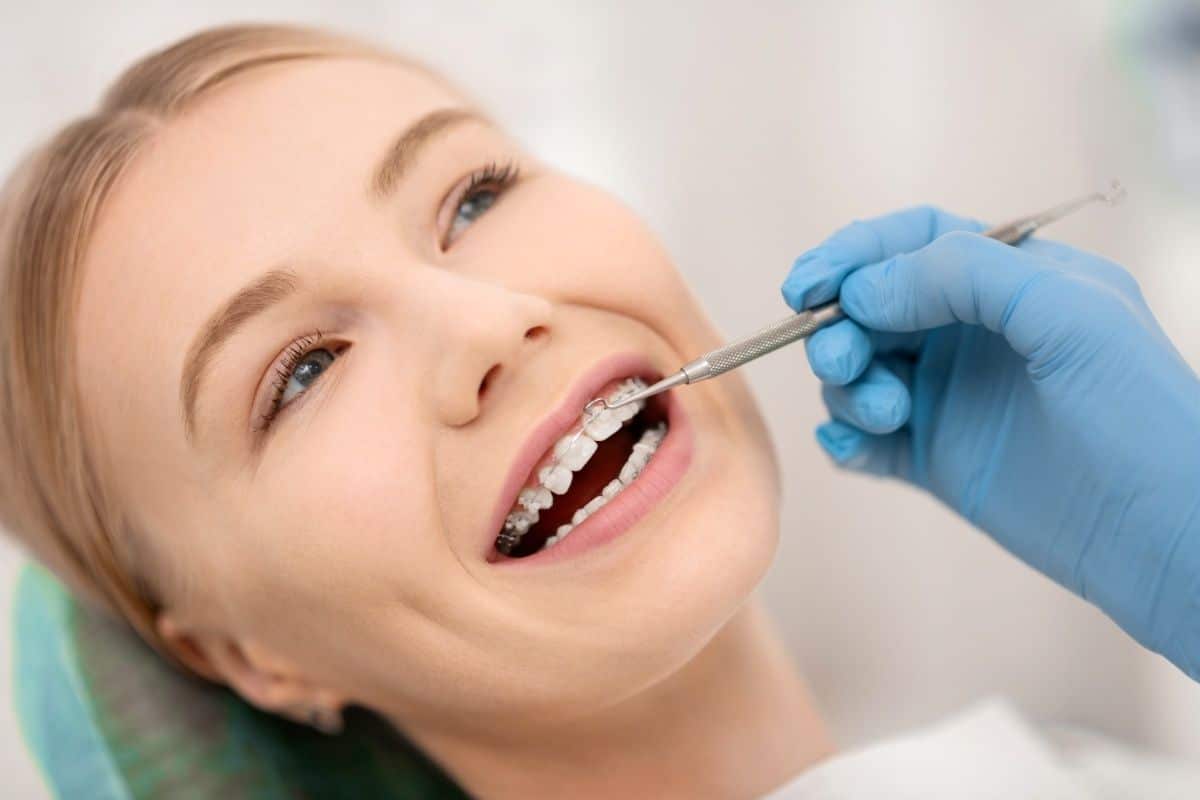





Did you get braces and now find yourself staring at the ceiling instead of sleeping? You’re not alone.
Many patients are surprised to discover that the discomfort from braces often feels worse at night. During the day, you’re distracted by work, school, sports, or daily activities. But when the lights go out and everything becomes quiet, even mild tooth soreness can feel more noticeable.
The good news is that braces pain is usually temporary and manageable. Research shows that orthodontic discomfort typically begins within hours of getting braces or an adjustment, peaks during the first 24 hours, and gradually improves throughout the first week. Studies involving more than 2,200 orthodontic patients found that pain levels generally decline significantly by day seven.
As orthodontists often tell patients, discomfort is usually a sign that your teeth are moving into healthier positions. While that may not make bedtime easier tonight, knowing how to manage braces pain can help you get the restful sleep your body needs.
In this guide, we’ll cover orthodontist-approved strategies to help you sleep comfortably while wearing braces.
Why Do Braces Hurt More at Night?
Before discussing solutions, it helps to understand what’s happening.
Dental Braces in Boca Raton work by applying continuous pressure to teeth. This pressure stimulates the bone-remodeling process that gradually moves teeth into alignment. As a result, the surrounding tissues become temporarily inflamed and sensitive.
According to the American Association of Orthodontists, most patients experience a dull ache or soreness during the first few days after braces placement or adjustments. The discomfort is usually strongest during the first 24 to 48 hours, then gradually improves.
Several factors can make nighttime discomfort seem worse:
- Fewer distractions make pain more noticeable.
- Pressure changes when lying down can increase awareness of soreness.
- Cheek and lip irritation from brackets may become more apparent.
- Teeth may feel more sensitive after a day of chewing.
Fortunately, there are several effective ways to minimize these symptoms before bedtime.
1. Eat a Soft Dinner Before Bed
One of the easiest ways to reduce nighttime soreness is to avoid hard or crunchy foods during dinner.
Research indicates that orthodontic pain increases significantly during chewing. Patients frequently report more discomfort when biting or applying pressure to teeth during the first week of treatment.
Good evening meal options include:
- Mashed potatoes
- Scrambled eggs
- Yogurt
- Smoothies
- Oatmeal
- Soup
- Pasta
- Soft rice dishes
- Applesauce
- Soft-cooked vegetables
Avoid:
- Popcorn
- Nuts
- Hard candy
- Pretzels
- Ice
- Bagels
- Tough meats
Reducing stress on sensitive teeth before bedtime can make sleeping much easier.
2. Use a Cold Compress Before Going to Sleep
Cold therapy is one of the most effective home remedies for braces discomfort.
Applying a cold compress to the outside of your cheek for 10 to 15 minutes can help:
- Reduce inflammation
- Numb sore tissues
- Improve comfort before bed
You can use:
- A reusable cold pack
- A bag of frozen vegetables wrapped in a towel
- A chilled gel pack
Never place ice directly against your skin.
Many orthodontists also recommend drinking cold water throughout the day since it may temporarily soothe inflamed tissues around the teeth.
3. Take Orthodontic Wax Seriously
Sometimes the pain isn’t coming from tooth movement.
New brackets and wires can rub against your cheeks, lips, and tongue, creating sore spots that become especially irritating at night.
The American Association of Orthodontists notes that soft tissue irritation is common during the first few days after braces placement.
Orthodontic wax creates a protective barrier between your braces and soft tissues.
Before bed:
- Brush and dry the bracket.
- Roll a small piece of wax into a ball.
- Press it over the irritating bracket or wire.
- Leave it in place overnight.
Many patients notice immediate relief after using wax correctly.
4. Sleep with Your Head Slightly Elevated
A simple adjustment to your sleeping position can sometimes reduce discomfort.
Using an extra pillow to elevate your head may help decrease blood flow congestion around inflamed tissues, reducing the sensation of pressure.
Try:
- Sleeping on your back
- Using a wedge pillow
- Raising your head slightly above heart level
Avoid sleeping face-down, as direct pressure against the pillow may increase irritation around brackets and cheeks.
5. Consider an Over-the-Counter Pain Reliever
When approved by your orthodontist or physician, an over-the-counter pain reliever may help ease discomfort before bedtime.
Many patients use:
- Acetaminophen (Tylenol)
- Other physician-approved pain relievers
A systematic review found that approximately 54.5% of orthodontic patients reported using analgesics during the first week of treatment, with usage peaking shortly after appliance placement.
Always:
- Follow label directions.
- Use only as recommended.
- Consult your healthcare provider if you have medical conditions or take other medications.
Never exceed the recommended dosage.
6. Rinse with Warm Salt Water
Warm saltwater rinses can help soothe irritated gums and cheeks.
To make a rinse:
- Mix ½ teaspoon of salt into 8 ounces of warm water.
- Swish gently for 30 seconds.
- Spit out the solution.
Benefits include:
- Reduced tissue irritation
- Improved comfort
- Support for oral healing
Using a saltwater rinse before bed can be especially helpful if your cheeks have become irritated by brackets.
7. Maintain Excellent Oral Hygiene
It may be tempting to skip brushing when your mouth feels sore, but good oral hygiene is more important than ever during orthodontic treatment.
Food particles trapped around brackets can contribute to:
- Gum inflammation
- Increased sensitivity
- Bad breath
- Plaque accumulation
Before bed:
- Brush thoroughly for two minutes.
- Clean around brackets and wires.
- Floss carefully using orthodontic flossers or threaders.
- Use an alcohol-free mouthwash if recommended.
A cleaner mouth often feels more comfortable overnight.
8. Stay Hydrated Throughout the Day
Many people don’t realize that dehydration can make oral discomfort feel worse.
Drinking plenty of water helps:
- Keep tissues hydrated
- Wash away food particles
- Support overall oral health
Cold water may provide temporary relief from soreness while also preventing dry mouth during sleep.
Keep a water bottle nearby throughout the day and evening.
9. Create a Relaxing Bedtime Routine
Pain perception can increase when you’re stressed or anxious.
A relaxing bedtime routine may help your body transition into sleep despite minor discomfort.
Try:
- Reading a book
- Deep breathing exercises
- Listening to calming music
- Taking a warm shower
- Limiting screen time before bed
Studies on pain management consistently show that relaxation techniques can help reduce perceived discomfort and improve sleep quality.
10. Know When to Call Your Orthodontist
Mild soreness is normal.
However, some symptoms may require professional attention.
Contact your orthodontist if you experience:
- Severe pain that doesn’t improve
- A broken bracket
- A protruding wire causing injury
- Significant swelling
- Difficulty swallowing
- Persistent bleeding
According to orthodontic experts, normal braces discomfort is typically described as a dull ache rather than severe or sharp pain.
If something feels unusual, it’s always best to call your orthodontic office.
Conclusion
Sleeping with braces can be painful, especially after your initial placement or a tightening appointment. Fortunately, orthodontic discomfort is usually temporary and follows a predictable pattern. Most patients notice that soreness peaks within the first 24 hours and improves substantially within a week.
Simple strategies such as eating soft foods, using orthodontic wax, applying cold compresses, practicing good oral hygiene, staying hydrated, and sleeping with your head elevated can make a significant difference.
If your discomfort seems unusually severe or lasts longer than expected, don’t hesitate to contact your trusted Boca Raton orthodontist. With proper care and a few adjustments to your nightly routine, you can protect your smile and enjoy a better night’s sleep throughout your orthodontic journey.
Frequently Asked Questions
1. How long does braces pain usually last?
Most braces discomfort peaks within 24 to 48 hours and improves significantly within the first week after placement or adjustment.
2. Is it normal to lose sleep after getting braces?
Yes. Mild sleep disruption is common during the first few nights as your teeth, gums, and cheeks adjust to the new appliance.
3. Can I take pain medication before bed for braces soreness?
Many patients use over-the-counter pain relievers as directed by their healthcare provider. Always follow label instructions and consult your physician if you have questions.
4. What foods should I eat when my braces hurt?
Choose soft foods such as yogurt, mashed potatoes, soup, oatmeal, scrambled eggs, smoothies, and pasta until soreness improves.
5. When should I call my orthodontist about braces pain?
Call your orthodontist if you experience severe pain, excessive swelling, bleeding, a broken bracket, or a wire that is causing injury to your mouth.