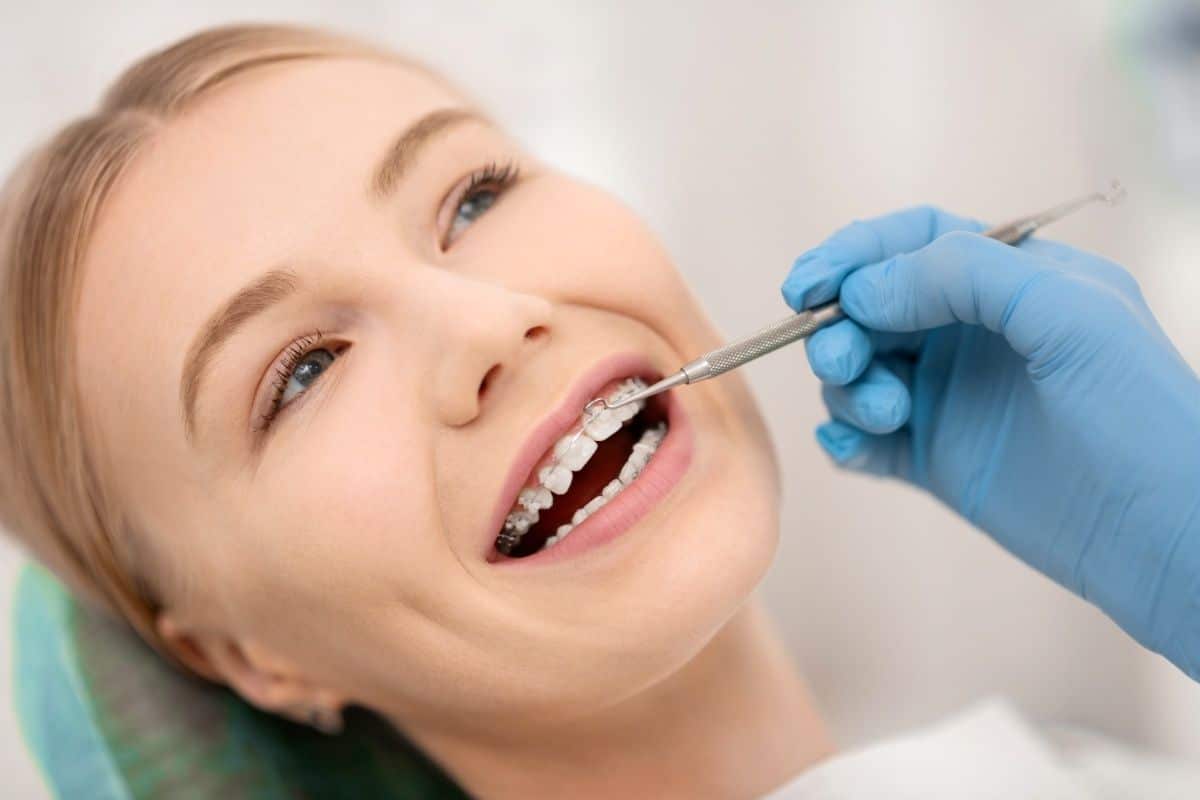





If you’ve noticed your teeth are crooked or overlapping, you’re not alone. Orthodontic treatment for crowded teeth is a common solution for those wanting to improve their smile and oral health.
Crowded teeth happen when there isn’t enough room in your mouth for your teeth to align properly. This can lead to problems like difficulty cleaning your teeth, bite issues, and a higher risk of tooth decay and gum disease. According to National Library of Medicine, the prevalence of dental crowding is estimated to range between 30% and 60%
In this blog, we’ll discuss what orthodontic treatment for crowded teeth is, the treatments available, and how they can help you get the smile you’ve always wanted.
Table of Contents
- What Are Crowded Teeth?
- Why is Orthodontic Treatment Important?
- Common Orthodontic Treatment Options
- Traditional Braces
- Clear Aligners
- How Long Will the Treatment Take?
- Why See an Orthodontist for Crowded Teeth?
- Conclusion
- Frequently Asked Questions Related to Crowded Teeth
What Are Crowded Teeth?
Crowded teeth occur when there isn’t enough space for all of your teeth to align properly. This is often caused when your permanent teeth don’t have enough room to grow straight.
As a result, your teeth may overlap or become crooked. Not only does this affect the look of your smile, but crowded teeth can also make brushing and flossing difficult, leading to plaque buildup and cavities.
Over time, crowded teeth may also cause bite problems, making it harder to chew and speak properly.
Why is Orthodontic Treatment Important for Crowded Teeth?
Orthodontic treatment for crowded teeth is essential for improving both the appearance and health of your smile.
Here’s why it’s important:
- Better Oral Hygiene:
Crowded teeth can be hard to clean, leading to plaque buildup and an increased risk of cavities. Straightening your teeth makes brushing and flossing much easier.
- Improved Bite:
A crowded bite can cause stress on your jaw, leading to discomfort and even headaches. Aligning your teeth will help relieve this pressure.
- Aesthetic Benefits:
If you’re self-conscious about your smile, orthodontic treatment can help give you the straight, beautiful smile you’ve always wanted.
Common Treatment Options for Crowded Teeth
There are several ways to treat crowded teeth. The best option for you will depend on how severe your case is, your age, and your personal preferences.
Here are the most common treatments:
1. Traditional Braces
Traditional metal braces are one of the most effective ways to treat crowded teeth. They consist of metal brackets and wires that gradually move your teeth into better positions.
While they are very effective, they can be noticeable and require regular checkups for adjustments. Braces are often the best choice for severe crowding.
2. Clear Aligners
If you want a more discreet option, clear aligners like Invisalign are a great choice. These are custom-made, removable trays that gently shift your teeth into place.
Clear aligners are comfortable, easy to clean, and barely noticeable, making them a popular choice for people with mild to moderate crowding.
How Long Will the Treatment Take?
The length of orthodontic treatment for crowded teeth varies depending on how severe the crowding is and the treatment type.
On average, treatment lasts between 12 months and 3 years. Braces may take a bit longer than clear aligners, but your orthodontist will give you a more precise timeline based on your specific case.
Why See an Orthodontist for Crowded Teeth?
When dealing with crowded teeth, an experienced orthodontist is essential for achieving the best results. Unlike general dentists, orthodontists specialize in diagnosing and treating alignment issues, including crowded teeth.
Their training enables them to create tailored treatment plans to address complex cases, ensuring that your teeth are properly aligned for both appearance and function. Orthodontists also focus on improving your overall oral health.
Crowded teeth can make it difficult to clean properly, leading to tooth decay, gum disease, and jaw discomfort. By working with an orthodontist, you can address not only the aesthetic concerns but also avoid potential oral health problems caused by overcrowding.
Conclusion
Orthodontic treatment for crowded teeth is a great way to improve your smile and oral health. Whether you choose traditional braces or clear aligners, the right treatment can give you a more confident, beautiful smile.
Crowded teeth can lead to issues like difficulty cleaning your teeth, bite problems, and even jaw pain, but orthodontic treatment can solve these concerns.
If you’re ready to start your journey to a straighter smile, contact us at 561-368-3688 and schedule a consultation today with our experienced orthodontist in Boca Raton, Florida and learn how orthodontic treatment for crowded teeth at Statler Orthodontics can improve your smile and your life!
Frequently Asked Questions Related to Crowded Teeth
Q1: What causes crowded teeth?
Crowded teeth are usually caused by genetics, early loss of baby teeth, or insufficient space in the mouth.
Q2: Can adults get orthodontic treatment for crowded teeth?
Yes! Orthodontic treatment for crowded teeth works for adults as well. There are more discreet options, like clear aligners, for adults who prefer not to wear traditional braces.
Q3: How do I know which treatment is right for my crowded teeth?
Your orthodontist will assess the severity of your case and recommend the best treatment for you. They may suggest traditional braces or clear aligners based on your needs.
Q4: Is orthodontic treatment painful?
Some discomfort may occur, especially after adjustments, but it’s generally manageable. Over-the-counter pain relievers can help.
Q5: How long will my orthodontic treatment take?
Treatment duration varies based on the severity of your case. Most treatments take between 12 months and 3 years.
Q6: Will I need to wear a retainer after my treatment?
Yes, wearing a retainer is essential to keep your teeth in place after treatment.